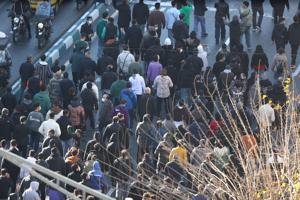
Demonstrations across Iran, ignited by the country’s struggling economy, have resulted in at least seven fatalities. These protests, marking the largest civil unrest since 2022, have expanded beyond the capital, Tehran, reaching rural provinces and cities primarily inhabited by the Lur ethnic group.
The protests began in early March 2024 in response to soaring inflation, rising unemployment, and widespread dissatisfaction with the government’s handling of economic issues. According to local reports, the unrest has led to violent clashes between protesters and security forces in various locations.
Fatalities and Geographic Spread
The fatalities occurred in four cities, where tensions escalated dramatically. Eyewitness accounts indicate that security forces employed live ammunition and tear gas against demonstrators. In the city of Khorramabad, which is known for its Lur population, two individuals were confirmed dead after confrontations with police. Similar incidents unfolded in the cities of Yasuj and Dorud, where residents took to the streets demanding economic reform and accountability from government officials.
Protesters have voiced their frustrations over the government’s failure to address the economic crisis, which many blame on mismanagement and ongoing international sanctions. The unrest has sparked discussions about the sustainability of the current regime and its ability to maintain control amid growing discontent.
Government Response and International Reactions
The Iranian government has responded to the protests by deploying additional security forces to key areas, aiming to quell the unrest and restore order. Official statements from the government have characterized the demonstrations as attempts to undermine national stability, emphasizing that the authorities will not tolerate violence.
International reactions have surfaced, with human rights organizations expressing concern over the government’s use of force against peaceful protesters. Amnesty International has called for an immediate halt to violence and urged the Iranian authorities to respect the rights of citizens to express their grievances peacefully.
As the situation evolves, the potential for further escalation remains high. Observers are closely monitoring developments, particularly in light of the significant historical context of protests in Iran, where public dissent has often been met with severe crackdowns.
The economic challenges facing the Iranian populace are compounded by ongoing geopolitical tensions, particularly with Western nations. Many citizens feel increasingly isolated, struggling to meet basic needs as inflation continues to rise. The protests reflect a broader yearning for change and a call for the government to prioritize the well-being of its citizens above all else.
As protests continue to spread, the world watches to see how the Iranian government will navigate this turbulent landscape and whether it can address the underlying issues prompting such widespread dissent. The unfolding events are likely to have significant implications for Iran’s future and its standing on the global stage.