Santa Clara County residents will have the opportunity to vote on a new tax measure in the upcoming primary election on June 2, 2024. This initiative aims to generate approximately $17 million annually to fund the Santa Clara Valley Open Space Authority, which is dedicated to preserving wildlife habitats, scenic views, and recreational areas.
The proposed measure is part of a broader ballot that includes a competitive race for governor, featuring ten candidates—eight Democrats and two Republicans. However, this tax initiative has garnered significant attention from environmental advocates and local residents alike.
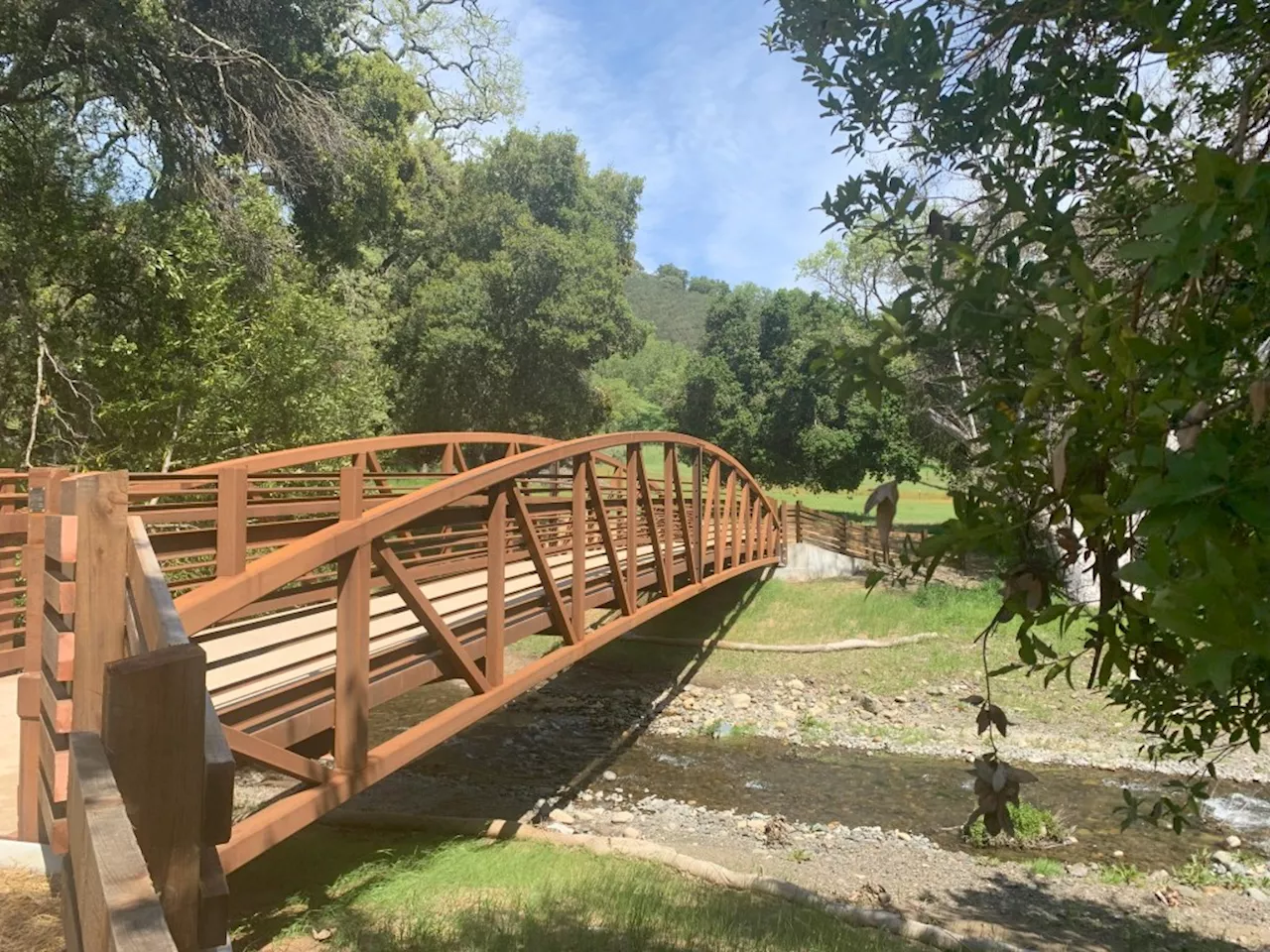
If approved by a simple majority of voters, the funds will be allocated towards acquiring land, hiring additional rangers and maintenance staff, and developing new trails, parking facilities, and restrooms. The tax would impose a fee of 2 cents per square foot on buildings within the district’s boundaries, which encompass areas such as San Jose, Milpitas, and Morgan Hill. For example, the owner of a typical 1,600-square foot home would pay about $32 per year, while those with 2,500-square foot homes would contribute $50 annually. Seniors aged 65 and older, along with low-income residents receiving Supplemental Security Income, could apply for exemptions.
Supporters of the measure highlight the importance of the funding to enhance public access to open spaces, particularly as the agency expands its preserves in the eastern foothills of Santa Clara Valley and the countryside of Coyote Valley. Julie Hutcheson, executive director of Green Foothills, expressed that these open spaces provide essential recreational opportunities for residents. “They provide habitat for wildlife, and some of them help us grow local food,” she stated. “A big part of the reason that the Bay Area is so attractive to people is because of the open spaces we have here.”
Conversely, critics like Pete Constant, vice president of the Silicon Valley Taxpayers Association, argue that increased taxation could burden families already struggling with high living costs in the region. “A lot of families are really struggling to survive in such a high-cost region,” he noted. “Open space is a wonderful asset, but if you have to work day and night to survive, you are not going to have an opportunity to enjoy it.”
The Santa Clara Valley Open Space Authority currently manages four main preserves available to the public: Sierra Vista, Rancho Cañada del Oro, Coyote Valley, and Coyote Ridge. In recent years, visitor numbers have surged dramatically, with attendance rising from 150,000 in 2014 to 500,000 in 2022. Projections suggest that by 2041, the number of visitors could reach 1 million annually.
The agency has significantly expanded its land holdings and facilities over the past decade, increasing from 16,000 acres and 11 miles of trails in 2014 to 30,000 acres and 30 miles of trails today. By 2041, it aims to enhance these figures to 45,000 acres and 60 miles of trails. Despite this growth, the authority’s $12.2 million operating budget has not increased since 2014, creating challenges in maintaining its expanding network of open space.
Funding currently comes from Measure Q, a $24 annual parcel tax approved by voters in 2014, which provides about $8 million annually and was extended indefinitely in 2020. The agency also benefits from a $4.2 million revenue stream stemming from an earlier benefit assessment measure approved in 1996. Yet, as Andrea Mackenzie, general manager of the Santa Clara Valley Open Space Authority, noted, “Our revenues are no longer sufficient to manage a growing network of open space lands for the public.”
The new measure, which required 37,206 signatures to qualify, received more than 56,000 signatures from supporters. The campaign to gather signatures was led by the Peninsula Open Space Trust, a Palo Alto-based organization that has invested significantly in land acquisition and preservation throughout the region.
As discussions surrounding the tax measure continue, both supporters and opponents are gearing up for a critical vote that could influence the future of open space in Santa Clara County.