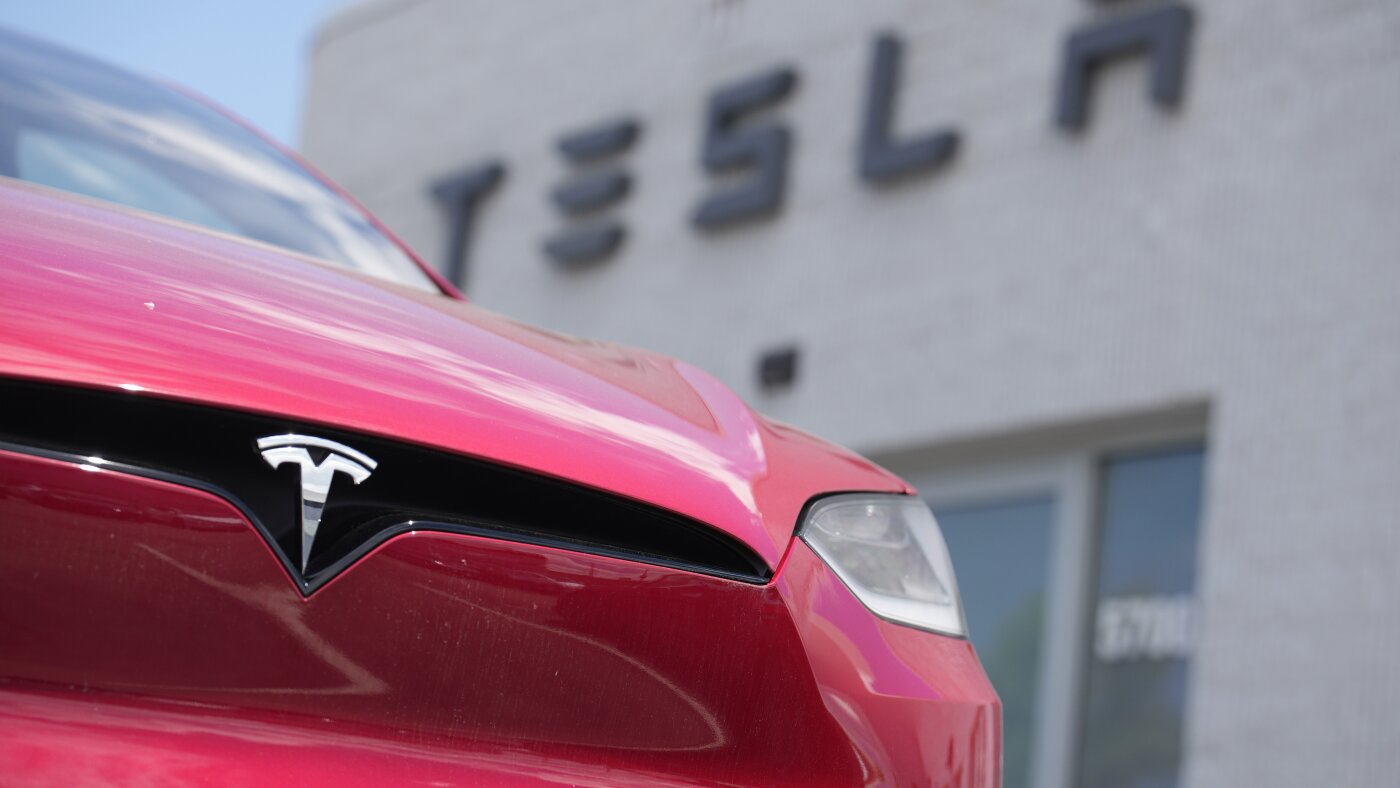
Tesla reported a staggering 46% decline in profits for the year, highlighting a significant shift in the electric vehicle (EV) market. The news, disclosed during the company’s earnings update on March 15, 2025, was not unexpected. In fact, it exceeded the more pessimistic forecasts of analysts who had anticipated an even steeper drop. Despite a surge in revenue from other segments, including a growing energy storage division, the company struggles with declining vehicle sales, a trend that has persisted throughout the past year.
Once the undisputed leader in the global EV market, Tesla has recently lost its top position to the Chinese automaker BYD, which sold over 2.25 million battery-powered vehicles in 2025. In contrast, Tesla’s sales fell to 1.65 million, marking the second consecutive year of declining sales. This downturn can be attributed to various factors, including increasing competition from China and a tarnished brand reputation.
Strategic Shifts and Future Plans
In light of these challenges, Tesla is undergoing a significant transformation. CEO Elon Musk emphasized during a quarterly earnings call that the company is shifting from being primarily a car manufacturer to a “physical AI company.” This pivot includes developing self-driving technology, launching a robotaxi service, and eventually creating humanoid robots.
To facilitate this transition, Tesla has decided to discontinue production of its higher-end Model S and Model X vehicles. Although these models have historical significance as milestones for Tesla and the EV industry, they are produced in much lower quantities than the more affordable Models 3 and Y. Instead, the company is now focusing on the development of the Cybercab, an autonomous vehicle designed without steering wheels or pedals. Musk stated, “We would expect over time to make far more Cybercabs than all of our other vehicles combined.”
Tesla’s ambitious plans come with substantial financial implications. Musk disclosed that the company intends to invest an unprecedented $20 billion over the next year, more than double its capital expenditures in 2024. He remarked, “We’re making big investments for an epic future.”
Brand Challenges and Consumer Sentiment
Tesla’s brand has faced scrutiny and skepticism, particularly among U.S. consumers. According to a recent survey conducted by pollster Evan Roth Smith, Tesla’s positive reputation has diminished significantly. While nearly half of Americans view Toyota positively, only 27% have a favorable opinion of Tesla, with 37% expressing negative sentiments. This decline in brand loyalty is especially concerning as the company competes against a growing array of EV options.
In 2020, 98% of Tesla owners who purchased another electric vehicle chose to stay with the brand. By 2025, that figure had dropped to 78%, indicating that even loyal customers are considering alternatives. As the EV market expands, Tesla’s previous dominance is increasingly challenged by competitors.
Musk’s focus on autonomous features and robot technology has not resonated well with potential consumers. The Full Self-Driving (FSD) software, which still requires human oversight, has not shown to enhance Tesla’s appeal. A survey found that only 14% of respondents felt more inclined to purchase a Tesla due to FSD, while 34% reported being less likely to buy one because of it.
The landscape for electric vehicles remains promising globally, despite Tesla’s struggles. In December 2024, the European Union registered more new pure EVs than traditional gasoline vehicles for the first time, and EV sales in Europe surged by more than 50% year-over-year. In China, the majority of new vehicle sales are now electric or plug-in hybrids, with exports of Chinese EVs rising significantly in markets like Mexico and Brazil.
As Tesla grapples with these evolving dynamics, it is clear that the company faces intensified competition and a challenging path ahead. The impact of Musk’s strategic decisions and the broader market trends will be crucial to watch as Tesla attempts to regain its footing in the rapidly changing automotive landscape.