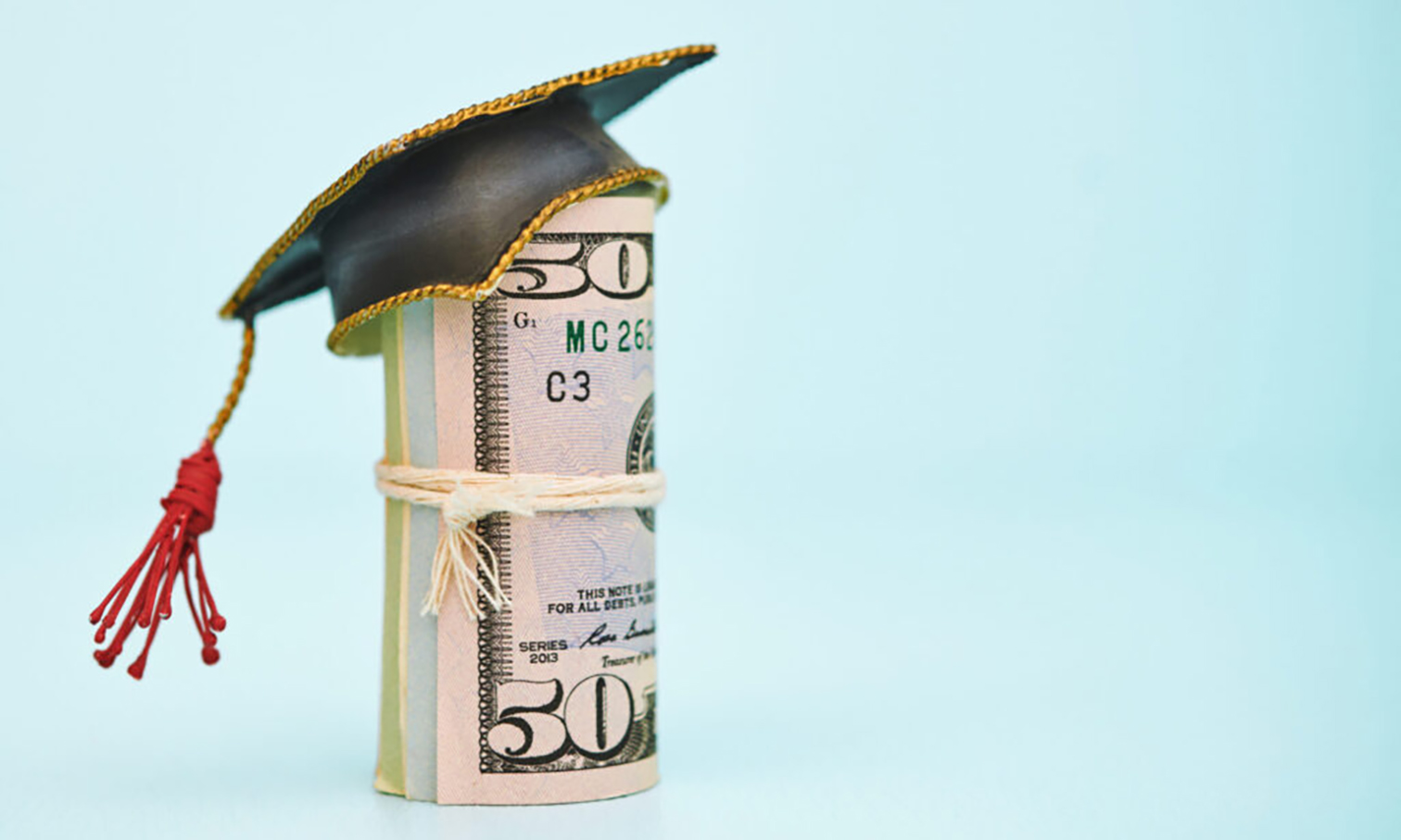
The U.S. Education Department announced that starting in January 2024, it will begin garnishing the wages of student loan borrowers who are currently in default. This decision follows a pause in federal student loan collections that was put in place during the early stages of the COVID-19 pandemic.
According to the department, approximately 1,000 borrowers will receive their first notices in the first full week of January. As the months progress, this number is expected to rise significantly. Borrowers will have their wages garnished as soon as 30 days after receiving notification. The Education Department emphasized that collections will only occur after borrowers have been given adequate notice and a chance to repay their loans.
Persis Yu, deputy executive director and managing counsel for the advocacy group Protect Borrowers, criticized the move, labeling it as “cruel, unnecessary, and irresponsible.” In a statement released on the same day, she expressed concern over the burden placed on millions of borrowers who are close to default. “This Administration is using its limited resources to seize borrowers’ wages instead of defending borrowers’ right to affordable payments,” Yu stated.
The Education Department resumed collections for defaulted federal student loans in May 2023 after a suspension that began during the pandemic. Defaulting on a student loan can lead to significant financial consequences, including wage garnishment. According to the Federal Student Aid office, employers may be ordered to withhold up to 15% of a borrower’s disposable pay without the need for a court order.
Under the federal guidelines, borrowers have specific rights regarding wage garnishment. They must receive a notice detailing the intention to garnish wages, the nature and amount of their debt, and the opportunity to inspect and copy relevant records. Borrowers are also informed of their right to contest the garnishment and their option to avoid it through voluntary repayments.
This policy shift is expected to have a substantial impact on those struggling with student loan debts, as many face financial challenges exacerbated by the ongoing economic effects of the pandemic. With the return to wage garnishment, the Education Department aims to address the growing number of borrowers in default, while advocates warn of the potential hardships that such measures may impose.
As the new year approaches, both borrowers and advocacy groups will be closely monitoring the implementation of this policy and its ramifications on individuals already facing financial strain.