Former U.S. President Donald Trump has pledged significant deregulation for the oil and gas industry, appealing directly to wealthy executives in a recent campaign event at his Mar-a-Lago estate. This comes as Trump asserts that the policies implemented by President Joe Biden have been detrimental to fossil fuel companies, which he claims have been unjustly targeted by environmental regulations.
During a meeting with leading oil executives, Trump proposed a deal: if they collectively raised $1 billion for his 2024 campaign, he would roll back various regulations that have hindered their operations. He declared this as a mutual benefit, suggesting that the oil industry would reap far more than their investment, framing it as a win-win scenario. Critics have noted the potential for ethical concerns, questioning whether such overt transactional politics amount to corruption.
Trump’s campaign rhetoric emphasizes support for fossil fuels, positioning the oil industry as a victim of environmentalists and climate change advocates. He has characterized the Biden administration’s focus on clean energy as harmful, despite fossil fuel companies reporting record profits during Biden’s tenure.
Regulatory Changes and Impact on Renewable Energy
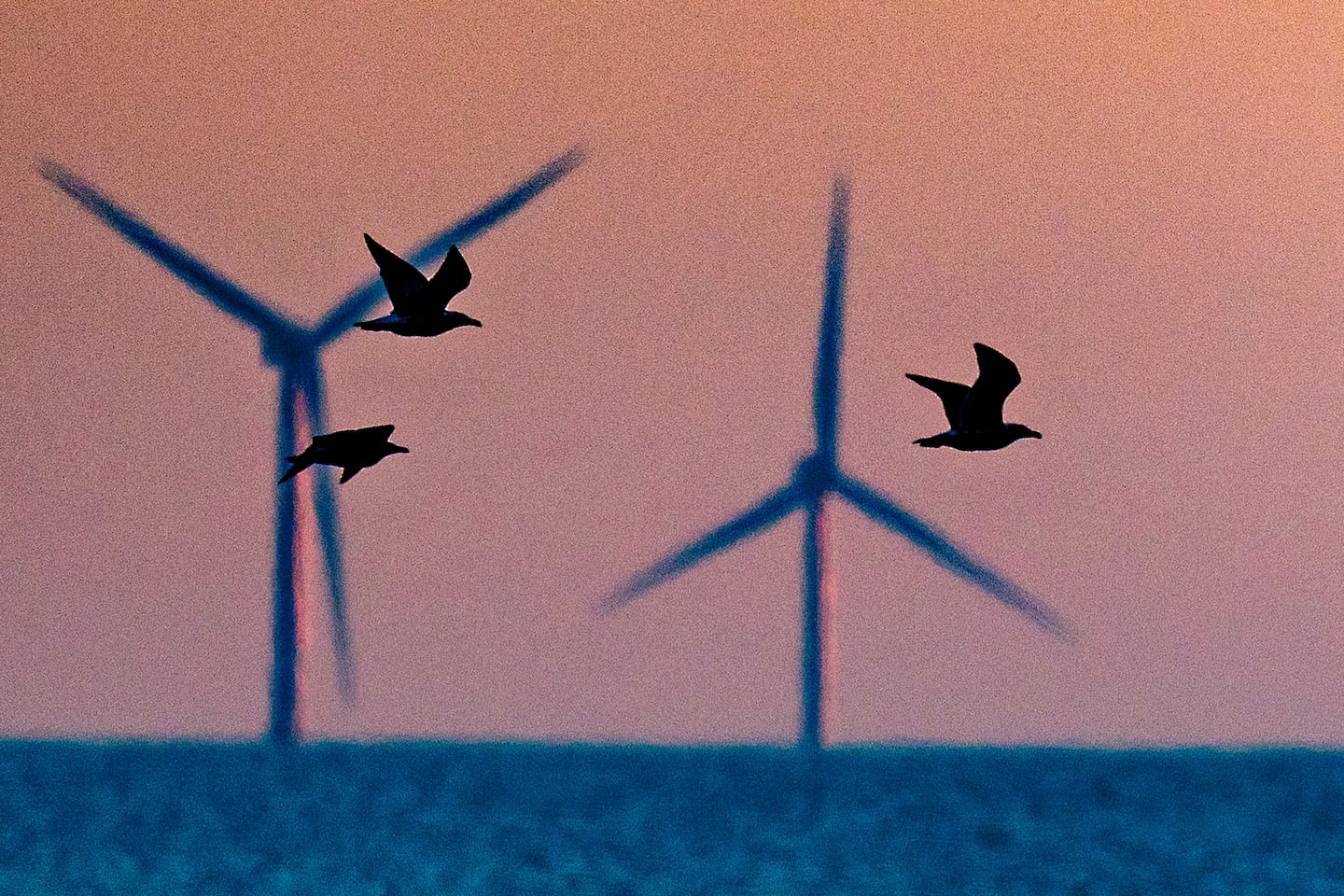
In a move that has drawn significant criticism, Trump has already begun dismantling regulations that promote clean air and support renewable energy initiatives. His administration’s recent decisions include suspending leases for several offshore wind farms that were poised to supply electricity to millions of homes. The Revolution Wind project, which was expected to power approximately 350,000 homes in Rhode Island and Connecticut, has been halted, impacting the creation of an estimated 1,200 jobs.
Environmental advocates warn that these actions threaten not only job creation but also energy reliability in the region. According to Kate Sinding Daly, senior vice president for law and policy at the Conservation Law Foundation, the absence of these wind projects could lead to “brownouts and blackouts” as the energy grid struggles to meet demand. She emphasized that the shift towards clean energy is inevitable, with other countries advancing rapidly in renewable technologies.
Trump’s administration has also taken aggressive steps abroad, particularly targeting Venezuela’s oil reserves. Following a military intervention that resulted in significant casualties, Trump called for “total access” to Venezuelan oil, further solidifying his commitment to boosting the U.S. fossil fuel industry.
The Future of Clean Energy
Despite Trump’s intentions, the renewable energy sector continues to show resilience. Projects like Vineyard Wind, which is already delivering electricity to around 200,000 homes, illustrate that clean energy initiatives are making strides, creating thousands of jobs, and providing economic benefits to local communities.
As the global energy landscape evolves, many believe that fossil fuel companies are aware of the shifting dynamics. Sinding Daly noted that even traditionally conservative regions, including Texas, are embracing renewable energy solutions. “Energy transition is inevitable,” she stated, highlighting the necessity for oil companies to adapt to the changing market rather than resist it.
With Trump’s administration actively working to support fossil fuels while undermining renewable energy, the implications for both the environment and the economy are substantial. The ongoing conflict between traditional energy sources and emerging clean technologies will shape the future of energy in the United States and beyond.
As the 2024 election approaches, the stakes are high, and the choices made will have lasting impacts on energy policy and the environment for generations to come.