The Willmar City Council is poised to make a significant decision regarding the Willmar Connect initiative, a project aimed at establishing a city-owned, open-access broadband network. During a meeting scheduled for January 5, 2024, council members will consider awarding the bid for the first phase of the project, which is estimated to cost approximately $7.8 million. This crucial step follows a public outcry from residents opposed to the initiative, highlighting concerns about financial risks and transparency.
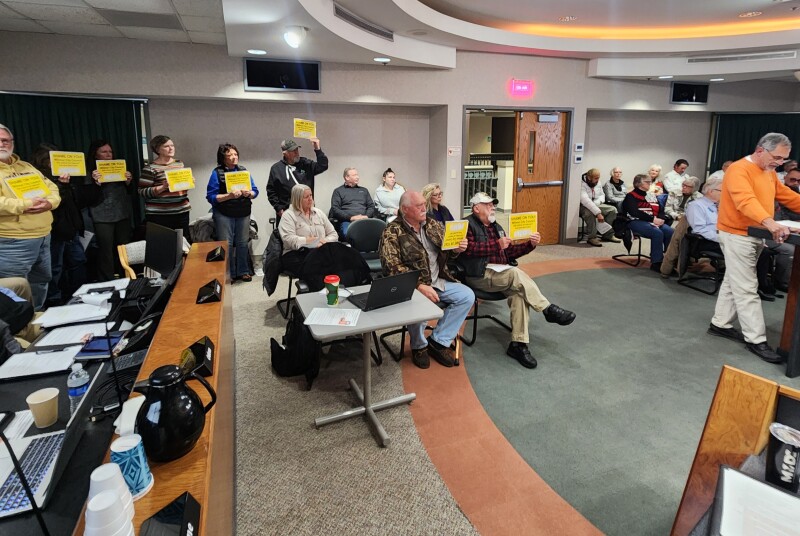
At the previous meeting on December 15, 2023, Bob Enos, along with around ten supporters, voiced their objections. Enos accused city officials of neglecting due diligence in researching other municipal broadband networks, suggesting that the council may be overlooking critical financial risks. He stated, “The public is left with three questions… If not, that’s pure laziness and incompetence,” indicating a lack of confidence in the project’s feasibility.
The Willmar Connect initiative has been in development since early 2023, originating from the city’s unsuccessful attempts to partner with a private internet service provider to establish a fiber network. Instead, the city engaged Hometown Fiber to provide a comprehensive network design and phased implementation plan. Under the proposal, Hometown Fiber will also manage the network, which aims to support multiple internet service providers. Fees paid by these providers will help service the debt incurred from approximately $24.5 million in bonds needed for construction.
Phase one of the project encompasses all businesses and residences west of First Street South between U.S. Highway 12 and 19th Avenue. As city staff reviewed bids, a proposal of $7.6 million was under consideration. Subsequent phases are slated for the southern, eastern, and northern parts of the city, each estimated to cost around $7 million.
In response to Enos’ criticisms, Kyle Box, the City Operations Director, provided an update to the council, reaffirming the city’s commitment to thorough research and fiscal responsibility. He stated, “With all due respect, I appreciate the opinions… but I feel we’ve done our due diligence.” Box acknowledged the inherent risks in the project but emphasized the importance of moving forward. He articulated that if the council approves the initiative, the city would still be required to manage the debt even if participation in the network falls short.
The project has been extensively reported by the West Central Tribune, which noted that the city invested over $1 million in planning and engineering efforts to ensure taxpayer interests are safeguarded. Through careful financial analysis, city officials believe that the current interest in the first phase indicates its viability.
Enos argued that only a few municipalities, such as those in Chelan County, Washington, Ashland, Oregon, and a consortium in Utah, share similarities with Willmar’s proposed network. He claimed none of these examples currently cover their operating costs and have required additional bonding over extended periods. “We’ve looked at other networks… but the one thing that never left was the fiber,” Box countered, reinforcing the value of fiber as a long-lasting utility.
Box also pointed out that many municipalities have successfully implemented fiber networks, including Ammon Fiber in Idaho and UTOPIA Fiber in Utah, which have provided affordable internet options while serving multiple ISPs. These projects demonstrate that, despite initial challenges, community-owned networks can thrive and provide essential services.
As the council prepares for the upcoming vote, the future of the Willmar Connect initiative remains uncertain, with strong opinions on both sides of the debate. The outcome will not only influence the city’s internet infrastructure but could also set precedents for other municipalities considering similar projects in the future.