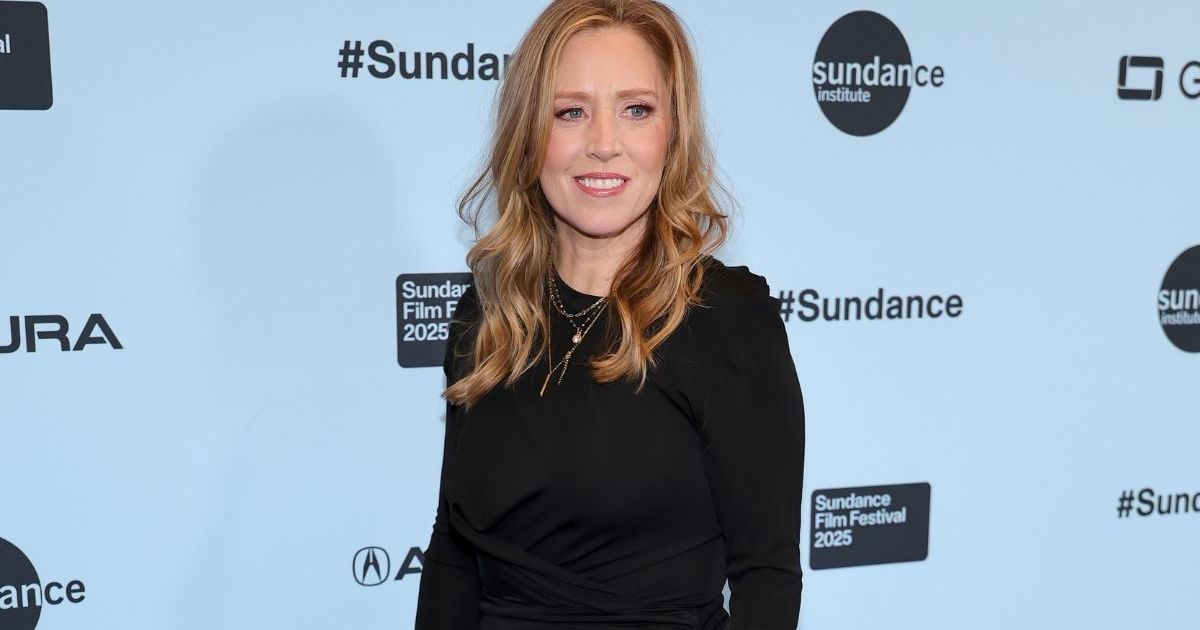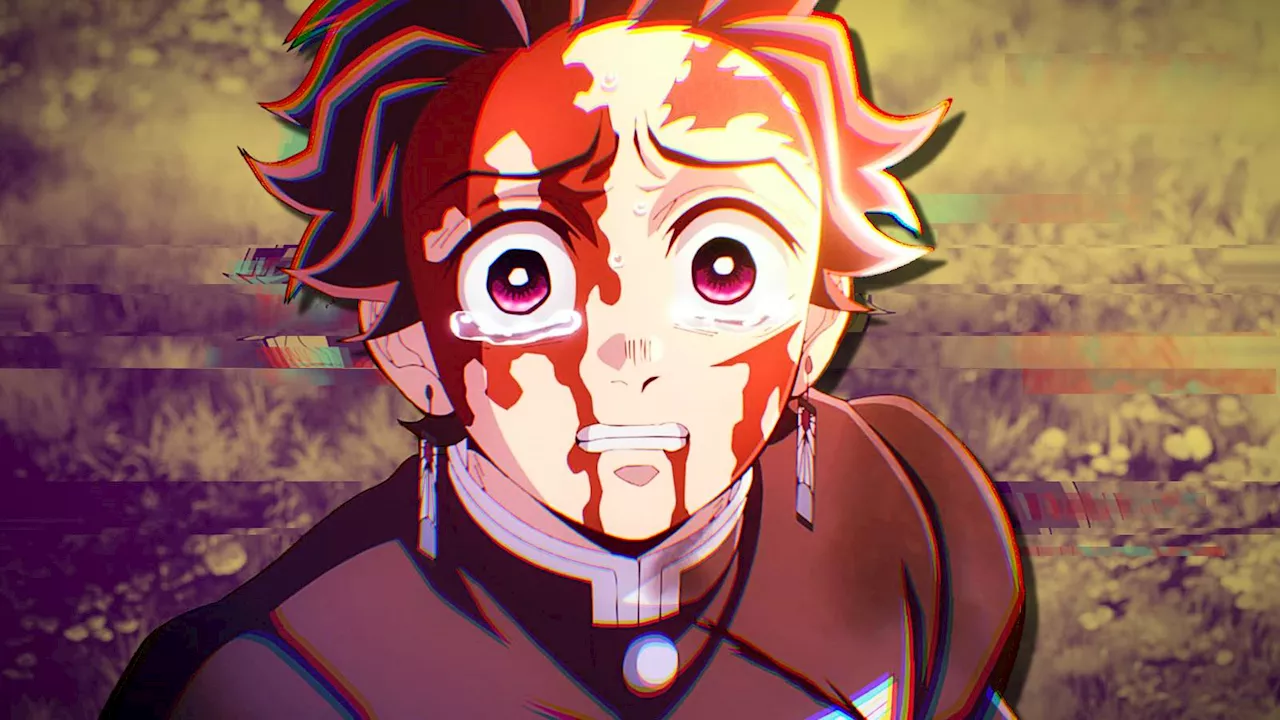
The anime industry experienced remarkable success in 2025, with major titles like Demon Slayer, Solo Leveling, and My Hero Academia dominating streaming platforms. The success of Demon Slayer: Infinity Castle and Chainsaw Man – The Movie: Reze Arc showcased anime’s ability to compete with blockbuster franchises such as Marvel and DC. This surge in popularity has caught the attention of Hollywood studios, leading to significant developments like Chloé Zhao being appointed to lead Kodansha Studios, which focuses on adapting iconic works such as Attack on Titan and Ghost in the Shell.
Despite the industry’s growth and cultural significance, it faces serious challenges that threaten its sustainability. A study from the Nippon Anime & Film Culture Association in 2024 revealed that around 40% of anime professionals earn less than ¥2.4 million annually, which is significantly below the average salary of ¥7.7 million in Japan. The disparity between income and the rising cost of living has raised concerns about the working conditions of animators, many of whom endure long hours and intense pressure. Studios like MAPPA have come under scrutiny for alleged labor practices, yet meaningful improvements remain elusive.
The staffing crisis within the anime industry has directly impacted production schedules, as studios struggle to meet the demands of an expanding audience. Fans eagerly anticipate new seasons of popular series, such as Demon Slayer: Infinity Castle Part 2 and Solo Leveling Season 3, but delays are likely due to the limited workforce available to high-profile studios like Ufotable and A-1.
High Expectations and Production Delays
The visual quality of modern anime has reached unprecedented heights, with studios like MAPPA delivering cinematic experiences. However, this has led to heightened expectations from fans, resulting in backlash when productions fall short. The third season of One-Punch Man faced severe criticism for its animation quality, becoming one of the worst-reviewed anime series. The backlash included harassment directed at animators and directors on social media, highlighting the intense pressure that creators face to meet fan expectations.
This increasing demand for quality combined with a shrinking workforce has made production timelines longer. Notably, the long-running series One Piece is transitioning to a seasonal format in 2026, indicating a shift in how anime may be produced in the future.
The Role of AI in Animation
The introduction of generative AI technology in anime production remains contentious. Despite its potential to address labor shortages, the results have been inconsistent. A notable example is WIT Studio’s short The Dog & The Boy, which incorporated AI-generated backgrounds but was criticized for its lack of quality. Similarly, Amazon’s AI dubbing for titles like Banana Fish received negative feedback for its mechanical and emotionless delivery.
Some industry insiders view AI as a necessary tool to alleviate the burden on animators. A producer involved with the Pokémon franchise suggested that AI could help meet growing fan demand, yet the technology continues to raise concerns about the impact on artistic integrity and job security for animators.
Despite its current challenges, the anime industry is unlikely to diminish in prominence. The success of major titles, including Demon Slayer, which nearly grossed $1 billion at the box office, demonstrates the lucrative potential of the medium. However, without addressing labor issues and creative constraints, there is a risk of reduced production and a reluctance to take creative risks in future projects.
As the anime industry moves forward, it must confront these pressing issues to attract a new generation of talent and ensure its continued success. The future of anime depends on not only its ability to produce high-quality content but also on fostering a sustainable and supportive environment for its creators.