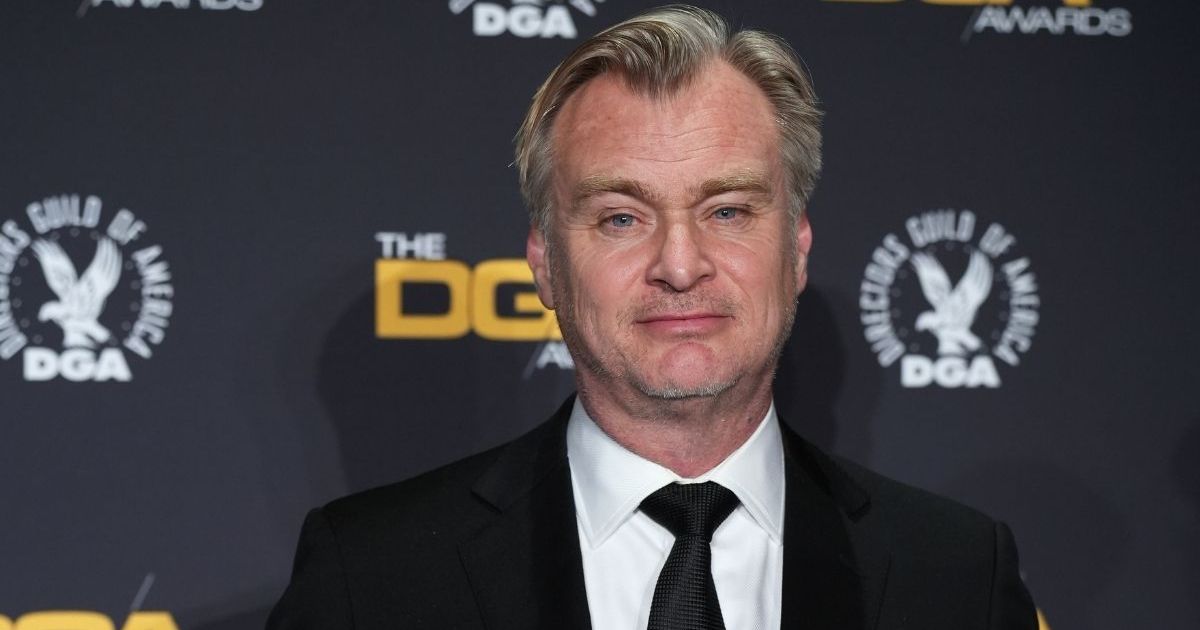
Renowned filmmaker Christopher Nolan has expressed concerns about the impact of artificial intelligence (AI) on the film industry, particularly regarding its implications for directors. In a recent interview with Deadline, Nolan highlighted the necessity for filmmakers to have a significant role in determining how AI technologies are utilized within the creative process.
Nolan, known for his preference for practical effects over CGI, acknowledged that while there are protections in place for filmmakers against AI, these measures do not offer complete security. “We have excellent protections, but that’s not enough,” he stated, underlining the need for directors to maintain a voice in the evolving landscape of filmmaking influenced by AI.
Balancing Innovation and Creative Rights
The director of Inception and Dunkirk pointed out that discussions about legal frameworks surrounding AI are crucial, especially since directors typically do not hold copyright ownership of their works. Nolan emphasized that the monetization of these copyrights directly affects the income and residuals of filmmakers. “We’re constantly in dialogue with the companies about, are you maximizing the value of the work that we’ve created?” he said.
While Nolan remains cautious about the technology, he recognizes its potential benefits. He referenced Disney‘s recent partnership with OpenAI, viewing it as a positive step towards establishing licensing principles. He remarked, “How that’s going to be paid through to the union members of all three unions, which, at the moment, we don’t know what that’s going to be,” indicating a need for clarity on how creatives will benefit from such arrangements.
Nolan’s reservations extend to the broader implications of AI on streaming services, particularly as platforms transition to ad-supported models. He noted that companies are increasingly using AI to determine ad placements during movie streams, which he believes could have significant creative rights implications. “It might seem like a simple business decision, but it has creative rights impacts, huge ones,” Nolan explained.
The Need for Regulatory Guidance
As the newly-elected President of the Directors Guild Foundation, Nolan emphasized the importance of establishing a regulatory framework to guide companies like OpenAI. He underscored the need for filmmakers to have a voice in ensuring that their creative interests are protected as distribution platforms evolve.
Nolan concluded with a call for proactive engagement, stating, “Okay, if they’re becoming distribution platforms, how will they manipulate? How can we have a voice in ensuring the things that we’re passionately dedicated to on the creative side?” His insights reflect a growing concern within the industry about the balance between innovation and the protection of artistic integrity in an era increasingly influenced by AI technologies.
As filmmakers navigate this new terrain, Nolan’s perspective serves as a critical reminder of the importance of dialogue and collaboration between creatives and technology developers in shaping the future of cinema.