Anachronistic films intentionally blend historical inaccuracies with modern elements to create a unique cinematic experience. These movies often employ contemporary music, dialogue, and stylistic choices to enhance emotional resonance. The following list highlights ten notable films that effectively utilize anachronism, showcasing how bending time and genre can lead to powerful storytelling.
Moulin Rouge!
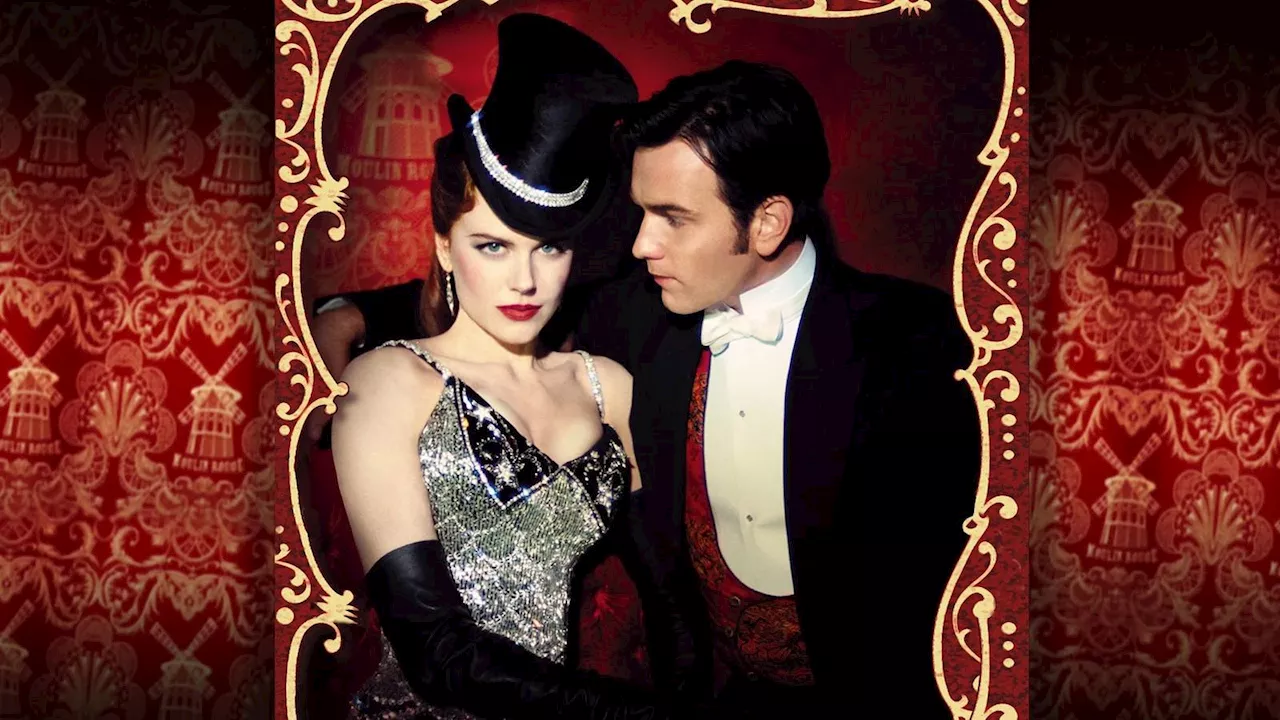
Baz Luhrmann’s Moulin Rouge! takes viewers to 1899 Paris, where romance and tragedy intertwine. The film features Christian, a young poet who falls for Satine, the star courtesan of the Moulin Rouge cabaret. What sets this musical apart is its use of modern pop songs, including lyrics from Nirvana and Elton John, which amplify the emotional stakes. The vibrant visuals and eclectic costumes further blur the lines between eras, making the melodrama feel immediate and relevant.
A Knight’s Tale
In A Knight’s Tale, Heath Ledger stars as William Thatcher, a peasant who impersonates a noble knight to compete in jousting tournaments. The film opens with a crowd chanting “We Will Rock You,” establishing its playful approach to history. Blending medieval adventure with a contemporary sensibility, the film features modern language and classic rock anthems, focusing on themes of ambition and love.
The Love Witch
Writer-director Anna Biller’s The Love Witch is a modern film designed to emulate a Technicolor thriller from the late 1960s. It follows Elaine, a glamorous witch on a quest for true love, while engaging with contemporary gender issues through its vintage aesthetics. The film’s deliberate anachronisms, from costumes to dialogue, create a surreal atmosphere that highlights the timelessness of desire and loneliness.
The Green Knight
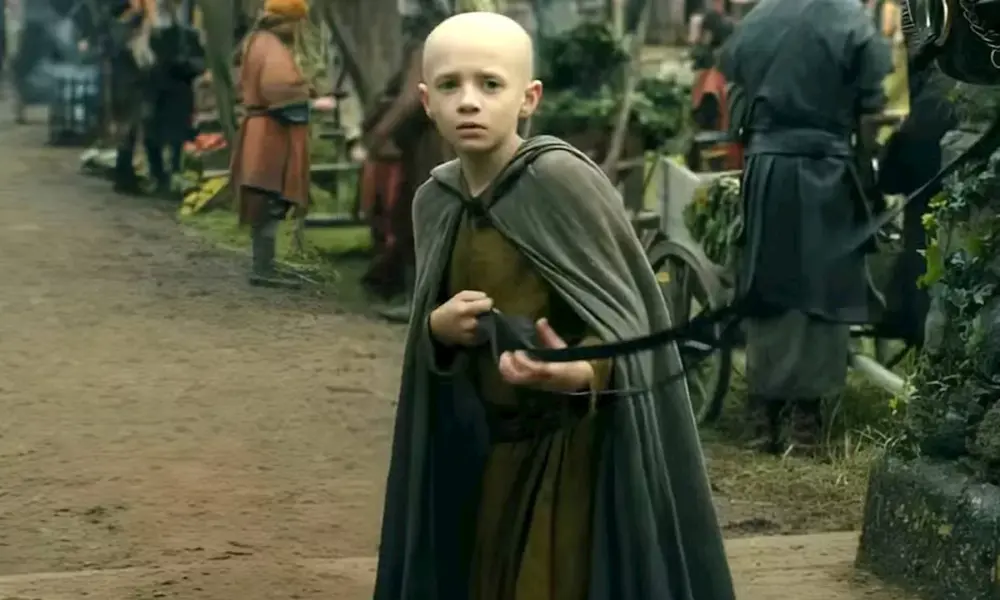
Based on a medieval poem, The Green Knight features Dev Patel as Gawain, King Arthur’s nephew. While the film delves into themes of identity and morality, its use of subtle anachronisms enriches the narrative. The dialogue combines archaic language with modern sensibilities, and the visual style incorporates influences from various artistic traditions, transforming the story into a dreamlike exploration of self-worth.
Romeo + Juliet
Baz Luhrmann’s adaptation of Shakespeare’s Romeo + Juliet relocates the classic tale of love and conflict to a contemporary setting. The film retains Shakespearean dialogue while introducing modern elements such as gunfights and beach shootouts. By juxtaposing timeless themes with a modern backdrop, Luhrmann captures the intense emotions of the original play, making it accessible to new audiences.
The Great Gatsby
In The Great Gatsby, Leonardo DiCaprio portrays the enigmatic millionaire Gatsby, set against the backdrop of the 1920s. Luhrmann’s interpretation transforms the Jazz Age into a vibrant spectacle, featuring a soundtrack that includes contemporary hip-hop. The film’s lavish visuals and rapid editing evoke the excesses of the era, emphasizing the fragility of the American dream.
Brick
Rian Johnson’s Brick is a compelling fusion of classic film noir and modern high school drama. The protagonist, Brendan Frye, navigates a world of teenage crime while employing sharp, stylized dialogue reminiscent of 1940s detective films. This linguistic anachronism creates a tense atmosphere, transforming typical teenage dynamics into a gripping narrative filled with danger.
Marie Antoinette
Sofia Coppola’s Marie Antoinette reinterprets the life of the French queen through a modern lens. By incorporating elements like Converse sneakers and 1980s music, Coppola highlights the youthful struggles of Marie Antoinette, portraying her as a relatable figure rather than a distant historical icon. The film’s playful style and vibrant visuals invite audiences to connect with her experience of fame and isolation.
The Princess Bride
Set in a whimsical medieval world, The Princess Bride is framed by a grandfather reading a story to his grandson. The film’s playful tone and modern dialogue create a fresh take on traditional fairy tales. By blending various historical elements and genres, it offers a timeless narrative that resonates with audiences across generations.
The Favourite
Yorgos Lanthimos’ The Favourite presents a modern take on the court of Queen Anne, showcasing the power struggle between Lady Sarah Churchill and Abigail Masham. The film’s contemporary humor and emotional transparency highlight the absurdity of absolute power while exploring themes of ambition and desire. This clever blend of past and present results in a uniquely entertaining period piece.
These ten films exemplify how anachronism can enhance storytelling, allowing creators to explore timeless themes while engaging contemporary audiences. By bending historical accuracy, these movies invite viewers to experience narratives that resonate on both emotional and intellectual levels.