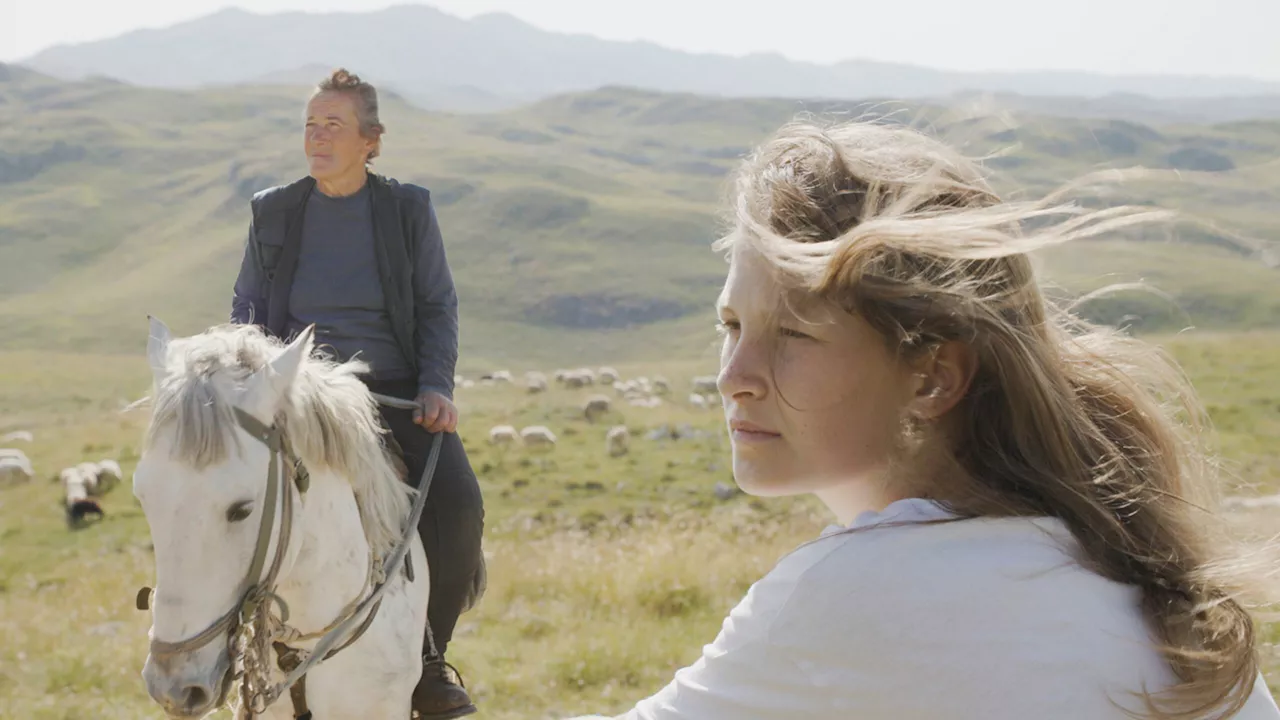
The documentary To Hold a Mountain, directed by Bijana Tutorov and Petar Glomazić, made its debut at the prestigious Sundance Film Festival, where it was recognized for its poignant storytelling. The film presents a powerful narrative centered on the life of a shepherdess in the remote mountains of Montenegro, whose fierce dedication to her child and her homeland serves as a form of resistance against militarization.
Set against the backdrop of stunning yet harsh mountain landscapes, the documentary focuses on the daily lives of a small community of herders, who engage in traditional practices such as cheese-making and wool harvesting. These activities have been passed down through generations, embodying the essence of their rural existence. However, their way of life is threatened by plans from NATO to convert their lands into a military training ground, exploiting the area’s isolation and ruggedness.
The film centers on Gara, the leader of the protest movement, and her young charge, Nada. Their bond reflects the themes of motherhood and resilience. As they navigate their daily routines—milking cows, herding sheep, and making cheese—the film artfully captures the ebb and flow of time without explicitly marking it. The rhythm of their lives resonates deeply, emphasizing the quiet strength found in simple, repetitive tasks.
Gara’s character embodies the spirit of a protective mother. She leads protests against NATO’s encroachment, riding her mare to engage with fellow community members and voice their concerns. In one poignant moment, she argues with military officials on television, advocating for her community’s peace and prosperity. Yet, the film does not solely focus on activism. It also highlights the intimate moments between Gara and Nada, such as sharing a small bed in their cozy cabin, where they find solace amidst their struggles.
In addition to the challenges posed by external threats, Gara deals with personal grief over the loss of her sister, Mira, who was killed by an abusive partner. This aspect of the narrative adds depth, as Gara raises Nada as her own daughter. The film captures the complex emotions of motherhood, showcasing the protective instincts that drive Gara to shield Nada from the potential return of her father, who is soon to be released from prison.
The documentary’s meditative approach allows viewers to engage with its themes on a personal level. Instead of overtly stating its messages, it invites audiences to reflect on the interconnectedness of motherhood, environmental stewardship, and the fight against militarization. As one of Gara’s friends poignantly states, “A mother has to be strong like a lioness,” underscoring the film’s tribute to the resilience of women in the face of adversity.
In its exploration of these themes, To Hold a Mountain serves as a testament to the power of cinema to transform personal narratives into political statements. The film’s artistry lies in its ability to convey profound social commentary through the lens of intimate, everyday experiences. As it resonates with audiences, it reinforces the vital roles that mothers and their communities play in safeguarding both their heritage and their future.