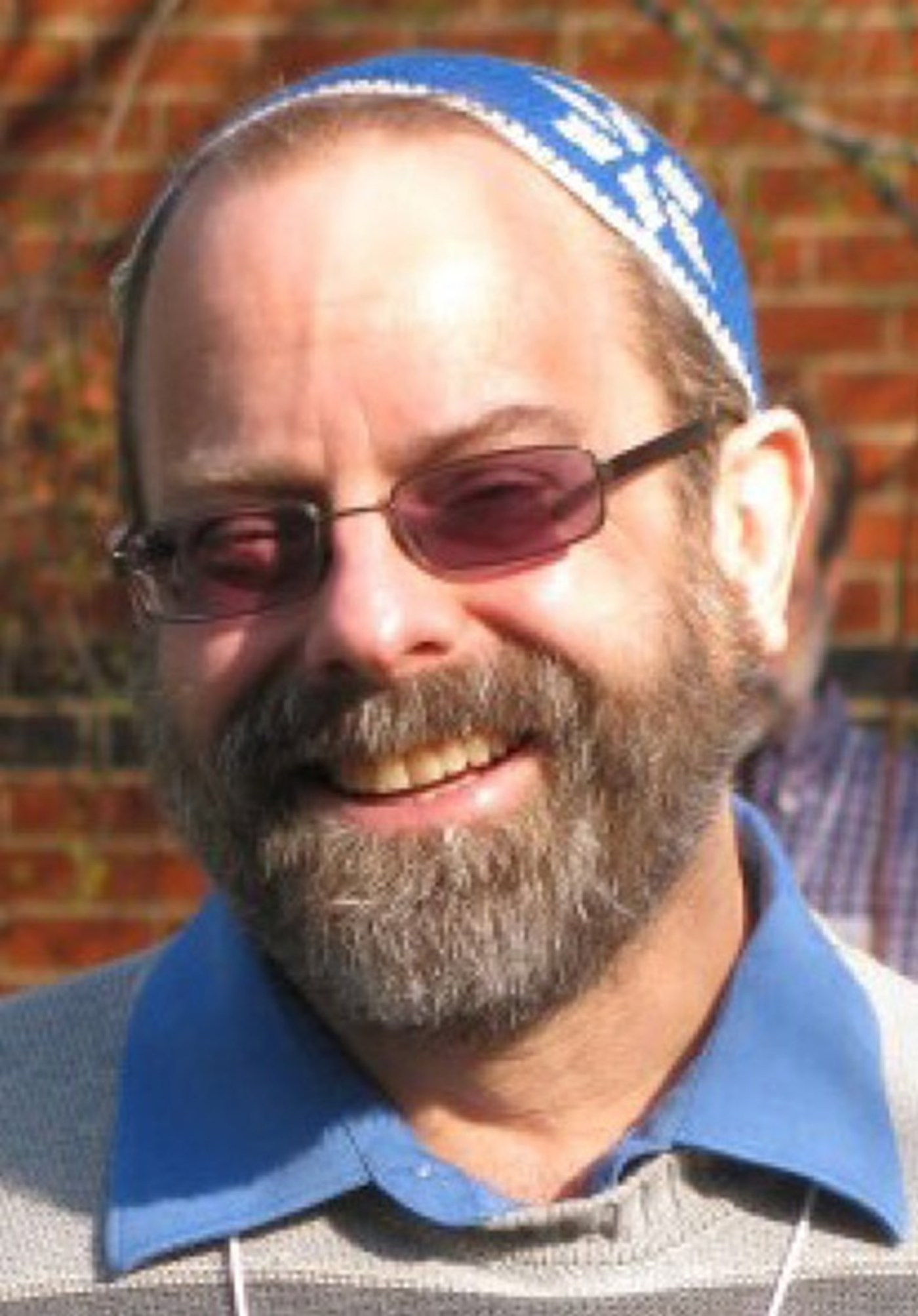
The message of recognizing shared humanity is gaining renewed emphasis, particularly during this season of reflection and light. Rabbi Daniel Swartz, the spiritual leader of Temple Hesed of Scranton, draws on the wisdom of the late singer and actress Ethel Waters who famously stated, “I am somebody ’cause God don’t make no junk!” This assertion resonates across various faiths, underscoring the inherent worth of every individual as a divine creation.
One of the most compelling teachings regarding our shared humanity can be found in the words of Jesus, specifically in Matthew 25:35, where he states, “I was a stranger and you welcomed me.” This call to embrace those who are different from us—immigrants, refugees, and the marginalized—appears frequently throughout the Hebrew Scriptures, being repeated approximately 36 times. Such repetition highlights the significance of this teaching and the ongoing struggle humanity faces in living it out.
Rabbi Swartz points out that the tendency to label entire groups of people based on religion, ethnicity, or personal choices is one of the greatest dysfunctions of modern society. It not only fuels divisions but can also lead to violence. He emphasizes that while many who express hatred do not engage in violence, the act of dehumanizing others lays the groundwork for such atrocities. Historical examples abound, from the violence witnessed at Bondi Beach to the horrors of genocides where propaganda dehumanizes specific groups, leading to widespread acceptance of violence against them.
The Rabbi highlights a critical aspect of religious teachings: the commandment to love the stranger does not require agreement or personal affinity. Instead, it calls for recognition of our shared humanity and the need to act with fairness and compassion. This understanding has motivated countless individuals to become heroes throughout history, from those who risked their lives during the Holocaust to aid Jewish people, to the abolitionists who helped enslaved individuals in the American South seek freedom.
As the days grow shorter and colder, many faiths engage in rituals involving physical light—whether through the lighting of a menorah or elaborate Christmas displays. Rabbi Swartz notes that while these traditions are heartwarming, they serve primarily as a symbol of the more profound task at hand: to bring forth the light of faith, love, and shared humanity into the prevailing darkness in various parts of the world.
He poses a vital question: Can light genuinely withstand the darkness that seems to pervade society? The answer, he suggests, lies in courage. To counteract the forces of terror and hatred, society must refuse to be paralyzed by fear. Like the Maccabees of old, those who stand firm in their beliefs must speak truth to power.
For light to effectively dispel darkness, it requires proactive engagement rather than mere resistance. This means living in a way that demonstrates an alternative to fear and hatred, welcoming others and celebrating both shared humanity and differences.
Rabbi Swartz concludes with a powerful affirmation: “God does not make junk.” He calls upon society to recognize the beauty and diversity of humanity, urging individuals to embrace both courage and wisdom in this endeavor. The richness brought by our collective diversity is what makes the world truly wondrous. It is an invitation to recognize our shared existence and to act in ways that uplift rather than diminish.