A new docudrama titled The White House premiered on Fox Nation, delving into the scandals that surrounded the presidential mansion during its formative years. The series combines scripted segments with expert interviews, exploring the tumultuous early days of the residence under the presidencies of John Adams, Thomas Jefferson, and James Madison.
Setting the Scene in November 1800
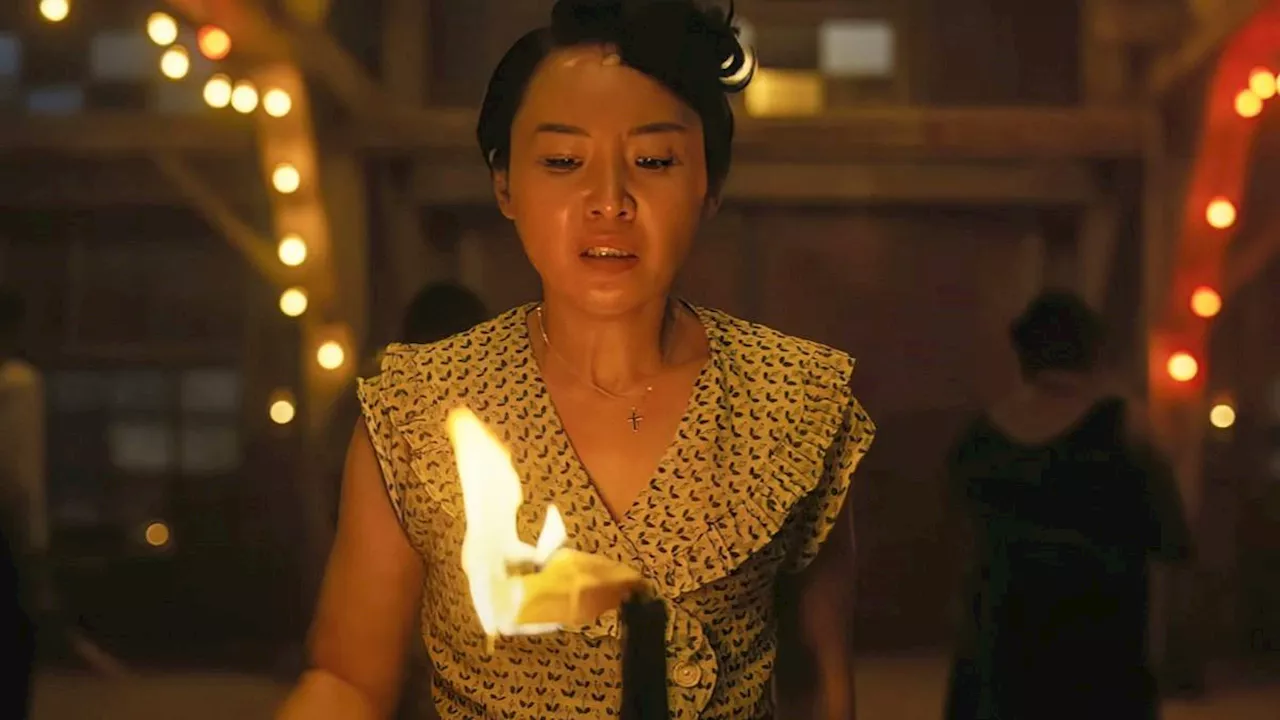
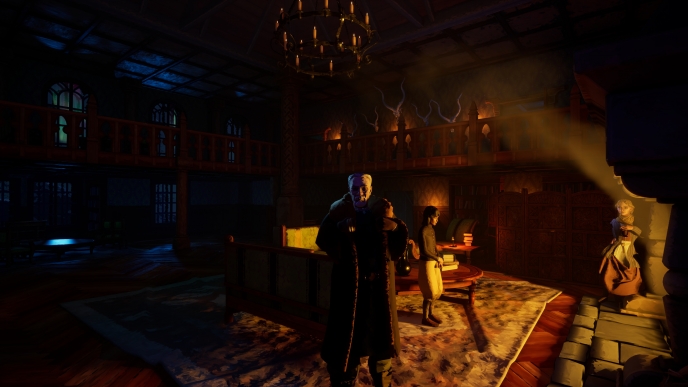
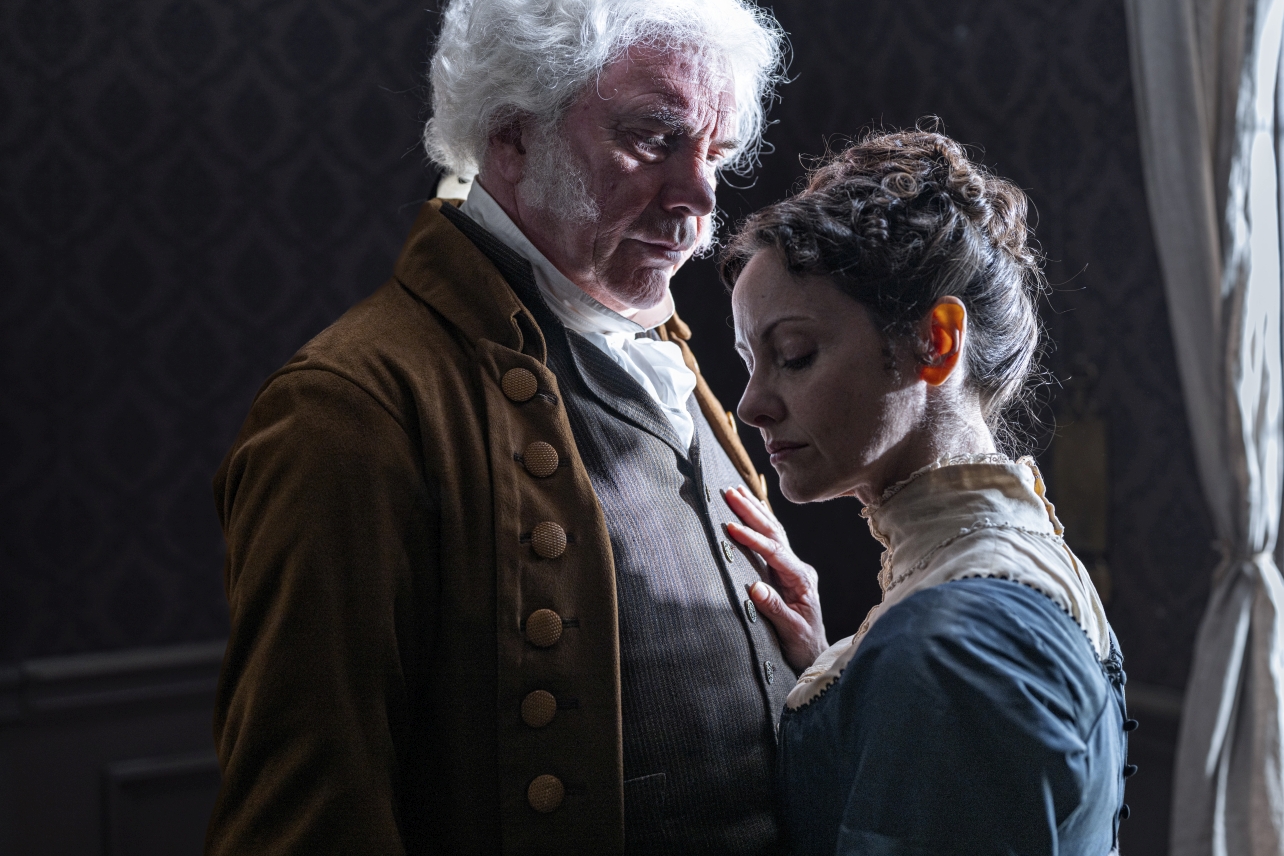
The opening scene sets a dramatic tone as a horse and carriage travels through dark, foggy woods. Inside, Abigail Adams, portrayed by Kosha Engler, and her granddaughter Susanna approach the burgeoning city of Washington, D.C. The year is November 1800, and the newly constructed White House is still under significant development. Tension builds as President John Adams, played by Gavin Mitchell, grapples with the chaos of construction and political turmoil.
As the series unfolds, viewers witness the personal and political struggles faced by the Adams family. A key plot point is John Adams’s distress over the writings of James T. Callender, a journalist hired by Thomas Jefferson to publish scandalous stories about him. This rivalry is intensified by the fact that Jefferson, Adams’ vice president, was also his opponent in the upcoming presidential election.
Drama and Historical Context
While The White House offers glimpses of historical events such as the construction of the White House and the use of enslaved labor, it leans heavily into dramatization. The scripted scenes often overshadow the factual interviews, creating a narrative that emphasizes scandal over a comprehensive historical account. The characterization of Adams as a volatile figure and Jefferson as a cunning strategist aims to humanize these founding fathers, but the portrayal risks reducing complex individuals to caricatures.
Throughout the series, the story of Charles Adams, John Adams’ son, adds a layer of personal tragedy. After being discovered in a compromising situation, Charles struggles with shame, ultimately leading to his decline and death. This storyline intertwines with the political narrative, highlighting the intersection of personal and public life in early American politics.
Critics note that while the series has a brisk pace, the emphasis on sensationalism may alienate viewers seeking a thorough exploration of the White House’s history. The performances are engaging, particularly Kosha Engler’s dignified portrayal of Abigail Adams, who attempts to temper her husband’s explosive temperament.
In terms of content, the series does not shy away from adult themes, with elements of both drama and sexuality. These aspects contribute to the overall entertainment value but may leave some viewers desiring a more nuanced approach to the historical material.
As the series progresses, viewers witness a pivotal confrontation between Jefferson and Adams in what will become the Oval Office, underscoring the intense rivalry that defined early American politics. The portrayal of Jefferson as a scheming figure adds an unexpected dimension to the historical narrative.
While The White House has its merits in terms of entertainment, it serves as a reminder that audiences should approach it as a dramatized interpretation rather than an accurate historical account. The series is designed to engage viewers with its dynamic storytelling, but those seeking in-depth historical analysis may find it lacking.
In summary, The White House offers a mix of history and drama, casting a spotlight on the personal and political scandals that shaped the early years of America’s presidential residence. While it may captivate viewers looking for an entertaining narrative, it is advisable to treat it primarily as a dramatic exploration rather than a factual documentary.