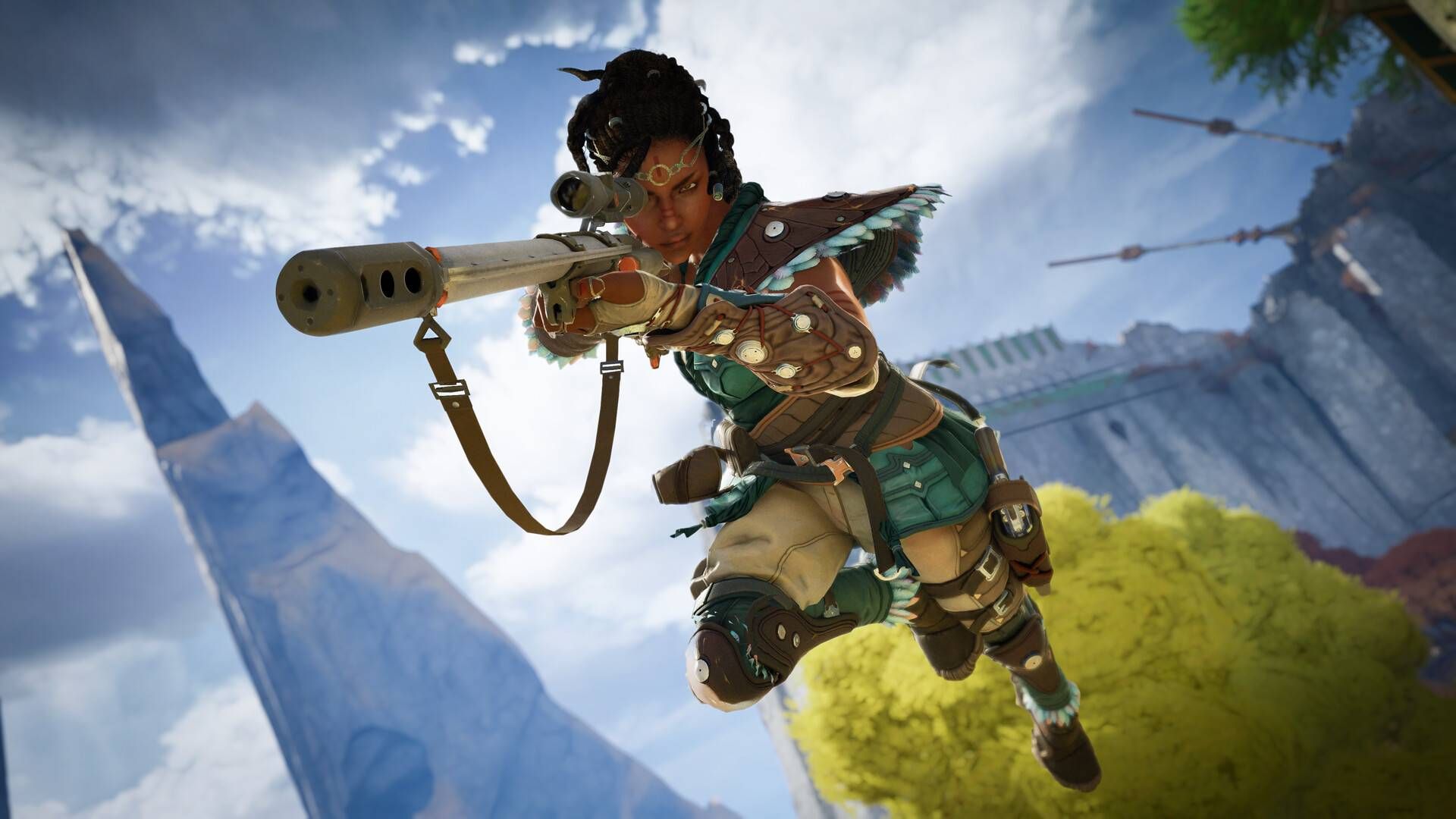
The multiplayer shooter Highguard has launched to a largely negative reception, with players expressing disappointment over its gameplay experience. Developed by Wildlight Entertainment, this debut title was first showcased during the final announcement at last year’s The Game Awards, where it generated significant hype. However, following its public release, many players now feel that the game does not live up to expectations.
At its core, Highguard combines elements of a first-person shooter and multiplayer online battle arena (MOBA), where two teams of three compete to destroy each other’s bases. Despite its ambitious design, the game struggles with awkward pacing and a lack of cohesive mechanics. Critics highlight that the game attempts to blend too many concepts, including base fortifications reminiscent of Rainbow Six Siege, hero abilities inspired by Overwatch, and resource gathering akin to survival games.
In a review by Austin Manchester for Polygon, he notes that while the combat mechanics can be engaging, the overall experience suffers when played solo. The game begins with a brief period for players to select their loadout and reinforce their base, followed by a lengthy exploration phase across an expansive map. Players search for weapons and currency, known as “vesper,” to trade for equipment. The most sought-after item, the Shieldbreaker, spawns during the match and allows teams to initiate raids on enemy bases.
Unfortunately, as Manchester points out, the majority of the gameplay consists of waiting, with action only occurring in short bursts during raids. Solo players often find themselves navigating a vast map without much engagement, highlighting a fundamental design flaw. The game appears to be tailored for team play, where communication and coordination could enhance the experience, yet this reliance on teamwork leaves solo players feeling sidelined.
Additionally, the game’s design choices have raised questions among players. The decision to limit gameplay to just two teams of three has drawn criticism, with many suggesting that a larger number of teams or increased team sizes could intensify the action. The mechanics around base fortifications and resource mining have also been described as underdeveloped, detracting from the overall enjoyment of the game.
In terms of player engagement, Highguard lacks essential features such as player statistics, reporting systems for misconduct, and ranked play, which could enhance competitive elements. Although some graphical and accessibility settings have been added post-launch, many players feel that the game was released prematurely, lacking vital features that would improve gameplay.
Overall, the ambitious nature of Highguard has not translated into a fulfilling gaming experience. With comparisons to other titles that execute similar mechanics more effectively, players are left questioning the game’s place in the crowded multiplayer shooter market. As it stands, Highguard feels like an early access title in need of further development to realize its potential.
The game is now available on PlayStation 5, Windows PC, and Xbox Series X. For those interested in exploring the game’s intricacies, further insights can be found in Polygon’s comprehensive review.