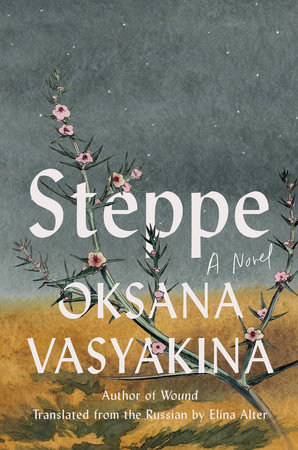
A vivid portrayal of life on the steppe unfolds through the eyes of a truck driver navigating the vast, often unforgiving landscape of Russia. The journey, marked by the stark beauty of the steppe, intertwines with the practicalities and dangers of long-distance freight transportation.
The Steppe: A Landscape of Beauty and Danger
The steppe, often compared to a vast expanse of yellow terrain, is neither a desert nor a barren wasteland. Instead, it teems with life, showcasing gray and blue grasses, chirping insects, and even elusive snakes in the Volga delta. For long-haul truckers like Oksana Vasyakina’s father, this landscape is both home and workplace. Driving through the steppe, he recalls warnings from his own father about veering off paved roads, as the soft earth can trap unwary drivers.
On one early morning drive to Volgograd, he experienced the harsh realities of the road. As he battled fatigue, his truck collided with a speeding vehicle driven by intoxicated officers, resulting in a tragic accident that left him unscathed. The incident, which he rationalized as an act of justice, highlights the precarious nature of life on the steppe and the unpredictable fate that can befall anyone on its roads.
Life as a Long-Distance Trucker
The transportation of goods, particularly heavy freight like steel pipes, forms the backbone of the trucking industry in this region. Unlike perishable goods, pipes do not spoil, making them a preferred cargo. The father’s routine involves long hours behind the wheel, often accompanied by the sounds of clucking chickens or the scent of rotting fruit from less fortunate loads.
In a world where the steppe was once a flourishing agricultural garden, the shift to a more barren landscape has seen opportunities for illicit activities. Abandoned irrigation systems now serve as sources for stolen pipes, reflecting the changing economic landscape. Small-time businessmen often hire trucks to transport these goods, and the father once found himself driving a load of pipe back to where it had originally been taken, a journey that seemed absurd yet profitable.
The realities of this informal economy are stark, as drivers navigate bureaucratic red tape and the constant threat of surveillance under proposed reforms. These changes would impose stricter regulations on driving hours and rest periods, a challenge for independent operators who rely on their own schedules to maximize earnings.
Waiting for contacts in the middle of the steppe, the father and daughter turned to simple pleasures—vodka, cigarettes, and cooking pasta on a camping stove. The vastness of the steppe fosters a unique sense of time, where moments stretch and the mundane becomes an adventure.
As the father reflects on his life, he expresses a deep connection to the steppe. It represents freedom and space, a contrast to the constraints imposed by modern regulations and societal expectations. The steppe is a harsh but beautiful companion, offering both solace and solitude to those who traverse its endless plains.
Ultimately, the story of life on the steppe, as portrayed by Vasyakina, reveals the intricate relationship between man and landscape, underscoring the challenges and beauty of a life spent on the road.