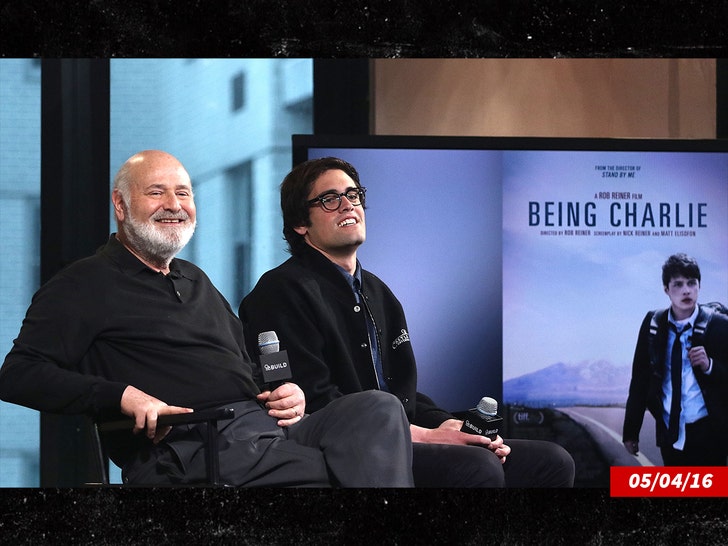
Nick Reiner, the son of renowned filmmaker Rob Reiner and acclaimed photographer Michele Reiner, faces serious legal challenges, having been charged with the murder of his parents. This shocking event has prompted discussions about the impact of familial expectations and mental health, particularly in the context of celebrity culture.
According to Richard Taite, an addiction recovery expert and founder of Carrara Treatment, Nick Reiner’s relationship with his prominent family may have affected his sense of self-worth throughout his life. Taite suggests that the pressures associated with being part of a famous lineage could have contributed to Nick’s struggles, which include a history of substance abuse and a diagnosis of schizophrenia.
Taite notes, “Mental illness is almost always attached to drug addiction and alcoholism. They’re one and the same.” Nick Reiner has reportedly undergone rehabilitation at least 18 times for substance abuse, highlighting a persistent battle with addiction. The expert emphasizes that while rehabilitation facilities vary in quality, a common thread among them is a focus on mental health issues as they relate to substance use.
The legacy of success within the Reiner family, which includes Nick’s grandfather, Carl Reiner, a celebrated figure in entertainment, may have compounded the pressures Nick experienced. Taite points out that children of celebrities often feel the weight of expectations, leading them to seek rehabilitation when their achievements do not measure up to those of their family members.
On the subject of mental health treatment, Taite expressed concerns about the adequacy of rehabilitation programs. He stated, “There are substandard treatment centers that may not be supplying Nick with what he needs.” This comment reflects a broader issue within the treatment industry, where many facilities fail to provide comprehensive care.
Nick Reiner’s experiences in rehabilitation have been documented, including a notable incident at Alina Lodge, a treatment center in New Jersey. In a 2016 interview on the “Dopey” podcast, he recounted an episode where staff denied him access to drugs, leading him to express his frustration in a dramatic manner by throwing a rock through a window. This incident underscores the challenges he faced while receiving treatment.
Dr. Jeffrey Lieberman, former president of the American Psychiatric Association, weighed in on the issue of aftercare in rehabilitation programs. He stated that many facilities provide inadequate post-treatment support, contributing to a cycle of repeated admissions and discharges. This systemic flaw often leaves individuals like Nick vulnerable to relapses.
As discussions continue about the intersection of celebrity culture, mental health, and addiction, the tragic case of Nick Reiner serves as a stark reminder of the challenges faced by those under the scrutiny of public life. The complexities of his situation raise important questions about the support systems available to individuals dealing with similar issues, both within and outside the realm of fame.