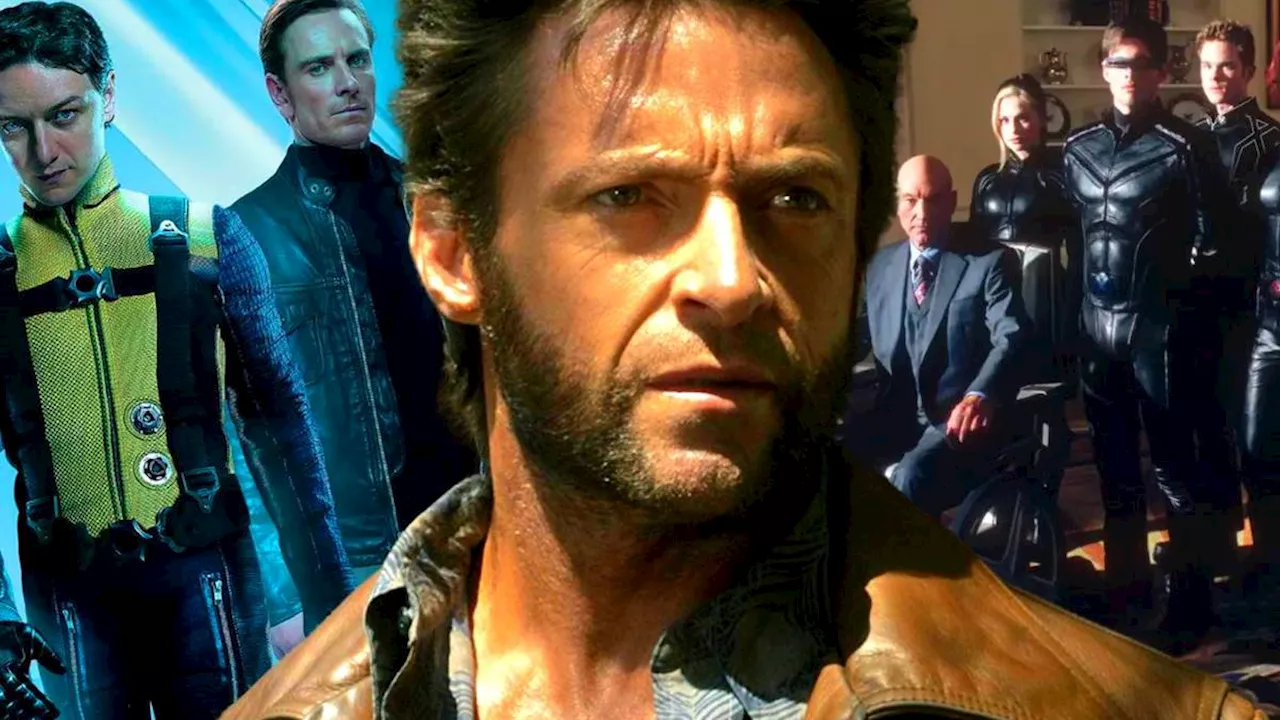
The film “The Wolverine,” directed by James Mangold and released on July 26, 2013, remains a source of frustration for fans due to a significant plot inconsistency regarding the character of Wolverine, played by Hugh Jackman. Despite its acclaim for character depth and storytelling, many viewers still grapple with a plot hole that undermines its narrative integrity.
As the story unfolds, Logan is summoned to Japan by Ichirō Yashida, a wealthy man seeking to repay Wolverine for saving his life during World War II. Yashida proposes to grant Logan the gift of mortality, stating, “I can end your eternity.” This proposition leads to a pivotal moment where Yashida claims that Logan’s healing ability can be transferred to him, raising questions about the nature of Logan’s powers.
Fans familiar with Wolverine’s backstory may find themselves puzzled by this exchange. The confusion arises from the misconception that Wolverine’s enhanced healing factor and longevity stem from the Weapon X program. In reality, these abilities are a result of his X-gene mutation, which exists independently of the experiments conducted on him. This misunderstanding is not merely a minor detail; it fundamentally alters the character’s established lore.
The film further complicates matters by suggesting that Yashida can extract Logan’s healing factor from his adamantium-infused claws. Such a notion stretches credibility, as it implies a scientific process that contradicts established comic book logic. The filmmakers’ decision to have Logan himself mistakenly believe that his powers were imposed upon him through external means shifts this issue from a mere oversight to a significant narrative flaw.
While “The Wolverine” is generally well-received for its mature themes and emotional depth, this plot hole casts a shadow over its accomplishments. The film’s attempt to explore the complex nature of mortality and sacrifice is undermined by a fundamental misunderstanding of its protagonist’s abilities.
Looking ahead, there remains hope for Jackman’s Wolverine to address these inconsistencies, particularly with the character’s anticipated appearances in upcoming films that may offer a chance for narrative redemption. Until then, fans are left to enjoy the film while grappling with its unresolved questions about Wolverine’s origins.
In the world of superhero cinema, where adaptations often deviate from source material, “The Wolverine” stands out as both a commendable effort and a cautionary tale about the importance of maintaining character integrity within the narrative framework.