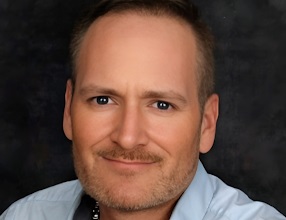
Dr. Andrew Brinen’s latest book, Living Well With Psychosis, presents a transformative perspective on managing psychosis. Emphasizing strength and resilience, the publication aims to inspire individuals grappling with mental health challenges by showcasing the potential for recovery and a fulfilling life.
The book aligns with the views of mental health pioneers like Dr. Patricia Deegan, who advocated for the idea that recovery is attainable for those living with mental health conditions. Dr. Deegan, who has experienced psychosis herself, has been a vocal proponent of the belief that individuals can lead meaningful lives despite their diagnoses. Her advocacy, along with that of numerous others, has helped create a supportive environment that promotes hope through shared experiences and professional interventions.
ISPS-US, an organization dedicated to advancing psychological and social approaches to psychosis, plays a pivotal role in fostering dialogue among clinicians and individuals with lived experiences. Each year, the organization hosts an annual conference where these groups come together to discuss effective interventions, further contributing to the discourse on mental health recovery.
One of the key therapeutic frameworks discussed in Living Well With Psychosis is Recovery-oriented Cognitive Therapy (CT-R). This approach combines the concept of recovery with evidence-based principles, demonstrating success in enhancing hope and encouraging actionable steps toward recovery. Research shows that when applied effectively, CT-R can significantly improve outcomes for individuals with psychosis, integrating seamlessly into various levels of mental health treatment, from state hospitals to specialized programs for young adults facing their first episodes of psychosis.
Brinen’s book goes beyond traditional therapeutic frameworks, offering practical skills and reflective exercises designed to empower readers. It includes worksheets that encourage individuals to clarify their aspirations and develop concrete action plans. By adopting a friendly and approachable tone, Brinen invites readers into a collaborative journey of self-discovery and personal growth.
He addresses several core aspects of life, including the importance of connections and relationships. In a hopeful declaration, Dr. Brinen writes, “Beyond the survival benefits of connection, friends and lovers provide joy and enrichment. They color in and highlight the stories of our lives.” This perspective underscores the notion that personal connections can significantly enhance one’s quality of life, even amid mental health challenges.
Brinen does not shy away from discussing the prevalence of co-occurring conditions, such as post-traumatic stress disorder (PTSD), which affects a significant number of individuals with psychosis. Research indicates that approximately 38% of those with a psychotic disorder may experience PTSD, while an additional 37% may display subthreshold symptoms. Contrary to outdated beliefs, modern evidence suggests that effective trauma therapy can greatly benefit individuals facing both psychosis and PTSD, contributing to improved mental health outcomes.
In his exploration of coping strategies, Dr. Brinen employs relatable analogies to illustrate complex concepts. He writes, “Thoughts are like boomerangs, not sticks. The harder you throw them out of your mind, the faster they come back.” This analogy effectively captures the challenges faced by individuals trying to suppress distressing memories, emphasizing the importance of addressing these thoughts rather than avoiding them.
Overall, Living Well With Psychosis represents a significant step forward in addressing the needs of those living with psychosis. The book serves as a valuable resource, not only for individuals affected by psychosis but also for practitioners and support networks.
Dr. Brinen’s work highlights the shift in contemporary mental health discourse, acknowledging the person beyond their diagnosis and emphasizing their humanity. As more resources like this become available, the landscape of mental health support continues to evolve, affirming the potential for recovery and a fulfilling life.
The book is published by Guilford Press and is set to be available in March 2024. Dr. Brinen’s insights not only provide practical advice but also foster a sense of community and empowerment for those navigating the complexities of psychosis.