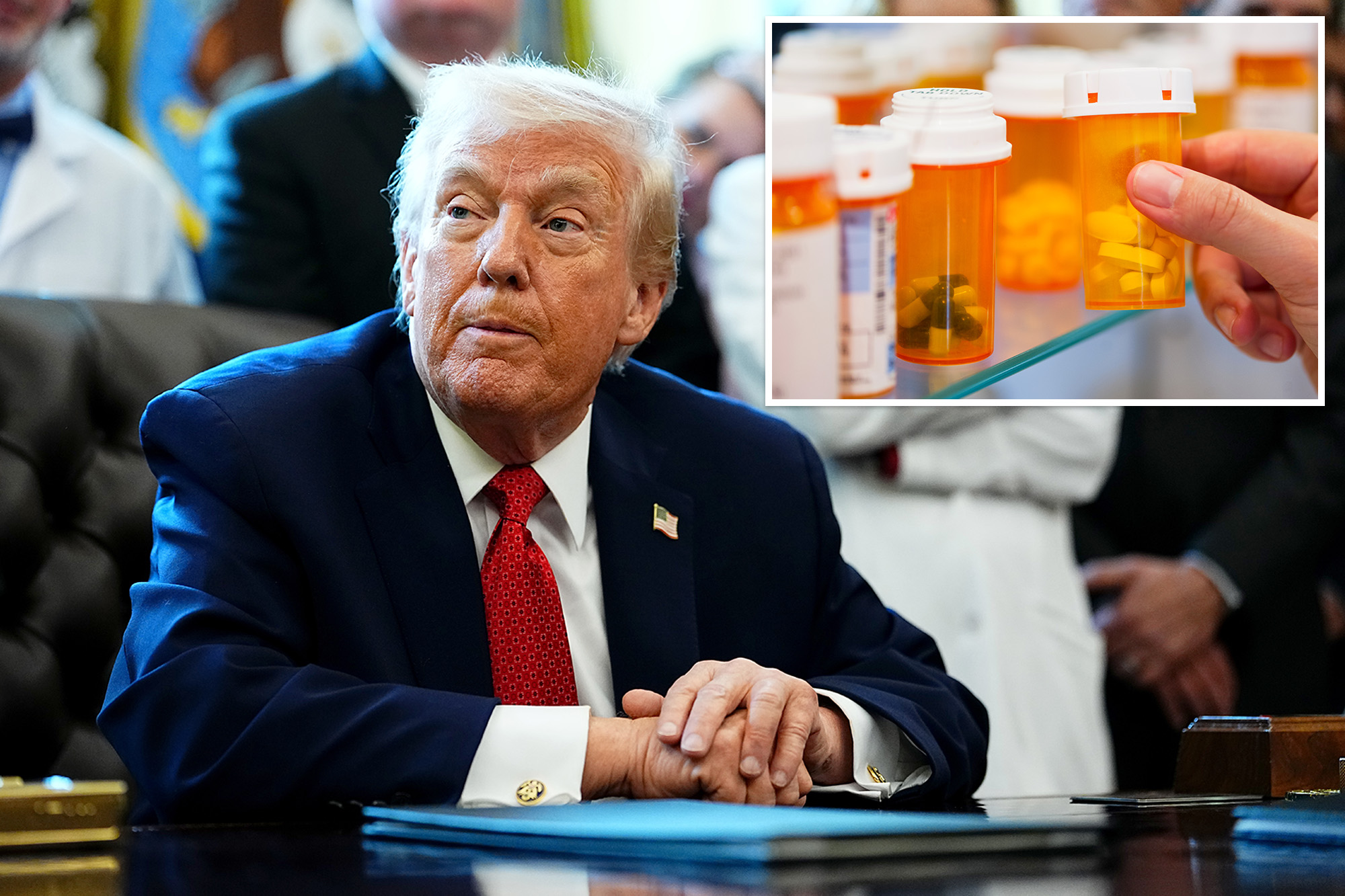
Pharmaceutical companies are planning to increase prices on at least 350 branded medications in the United States, which includes vaccines for COVID-19, respiratory syncytial virus (RSV), shingles, and the popular cancer treatment Ibrance. This move comes despite ongoing pressure from former President Donald Trump to reduce drug prices. The data, provided by 3 Axis Advisors, indicates that the planned price hikes for 2026 have risen from over 250 drugs announced last year.
The median price increase for this year is approximately 4%, consistent with the increases seen in 2025. It is important to note that these price adjustments do not account for any rebates to pharmacy benefit managers or discounts that may apply. In contrast, drugmakers also intend to lower the list prices on about nine medications, including a significant reduction exceeding 40% for the diabetes drug Jardiance and three related treatments. Both Boehringer Ingelheim and Eli Lilly, which co-market Jardiance, did not provide comments regarding the rationale behind these price reductions.
Jardiance is among the ten drugs that the U.S. government negotiated to secure lower prices for the Medicare program, which serves individuals aged 65 and older, for implementation in 2026. Under these negotiations, Boehringer and Lilly agreed to slash the Jardiance price by two-thirds, aiming to alleviate the burden on patients. Currently, U.S. patients face some of the highest prescription drug costs globally, often paying nearly three times more than their counterparts in other developed nations. Trump has been vocal about pushing drug manufacturers to align their prices with those in similarly affluent countries.
Even as Trump has negotiated prices with 14 pharmaceutical companies for medications provided through the government’s Medicaid program, which assists low-income Americans, the planned increases on 350 medications indicate an ongoing trend. Major companies, including Pfizer, Sanofi, Boehringer Ingelheim, Novartis, and GSK, are set to raise prices on certain drugs starting Thursday.
Dr. Benjamin Rome, a health policy researcher at Brigham and Women’s Hospital in Boston, commented on the situation, stating, “These deals are being announced as transformative when, in fact, they really just nibble around the margins in terms of what is really driving high prices for prescription drugs in the U.S.” He noted that companies may be maximizing prices while negotiating discounts behind the scenes with health insurers, creating a complex pricing structure for consumers.
Among the companies leading the price increases, Pfizer is set to raise the list prices on around 80 different medications, which include Ibrance, the migraine treatment Nurtec, and the COVID-19 antiviral Paxlovid, along with some hospital-administered drugs like morphine and hydromorphone. Most of these increases are below 10%, except for a notable 15% hike on the COVID vaccine Comirnaty. Some of Pfizer’s lower-cost hospital medications are experiencing increases of more than four times their previous prices.
In a statement, Pfizer explained that the adjustments in the average list price for its innovative medicines and vaccines for 2026 are below the overall rate of inflation. The company emphasized that these modest increases are necessary to fund investments aimed at discovering and delivering new medicines while addressing rising operational costs.
Historically, larger price increases for U.S. drugs were more common, but drugmakers have been compelled to scale back amid criticism from lawmakers and new government regulations, including penalties for those who raise Medicare prices at rates exceeding inflation. The British pharmaceutical company GSK is also planning to increase prices on around 20 drugs and vaccines by 2% to 8.9%. GSK asserted its commitment to maintaining reasonable prices while stating that the hikes are essential to support scientific innovation.
Sanofi and Novartis have yet to respond to requests for further information regarding their pricing strategies. Additional price adjustments are anticipated in early January, a period historically recognized as the peak time for drug price increases.
3 Axis Advisors, the consulting firm responsible for the data, collaborates with pharmacist groups, health plans, and pharmaceutical industry-related entities to address drug pricing and supply chain issues. It shares staff with the drug pricing non-profit 46brooklyn, enhancing its credibility in the field.