Flavonoids are gaining recognition for their crucial role in promoting heart and brain health. These plant-based compounds, found in a variety of fruits and vegetables, offer a spectrum of health benefits, from reducing inflammation to lowering the risk of chronic diseases. Registered dietitian Julia Zumpano from the Cleveland Clinic emphasizes the importance of incorporating these nutrient-rich foods into one’s diet to harness their protective effects.
Understanding Flavonoids and Their Benefits
Flavonoids are a type of phytochemical that contribute to the vibrant colors of many fruits, vegetables, and flowers. According to Zumpano, these compounds come in various subclasses, categorized by their chemical structure and the colors they impart. The main subclasses include:
– **Anthocyanins**: Found in purple, pink, or red foods.
– **Flavanones**: Present in yellow and orange fruits.
– **Flavonols**: Associated with deep red and dark blue foods.
– **Flavones**: Found in blue, white, or green plants.
– **Isoflavones**: Typically pale yellow.
Research indicates that flavonoids act as antioxidants, shielding cells from damage caused by free radicals. This protective function helps combat chronic inflammation, which is linked to diseases such as heart disease, cancer, diabetes, and Alzheimer’s. Zumpano notes that a diet rich in flavonoids can improve cardiovascular health by enhancing heart function and reducing blood pressure.
Top Foods Rich in Flavonoids
Incorporating a variety of flavonoid-rich foods into daily meals can significantly boost health. Here are nine notable options:
1. **Blueberries**: Often hailed as a superfood, blueberries are rich in anthocyanidins, which are linked to lower blood pressure and improved brain function. According to U.S. Department of Agriculture data, they have the highest concentration of these compounds among fruits.
2. **Parsley**: This herb boasts the highest concentration of flavones. It helps protect cells from damage and supports heart health while providing essential vitamins A, C, and K.
3. **Red Cabbage**: Rich in both anthocyanidins and flavonols, red cabbage is noted for its heart health benefits. It is also low in calories and high in fiber, making it a nutritious addition to meals.
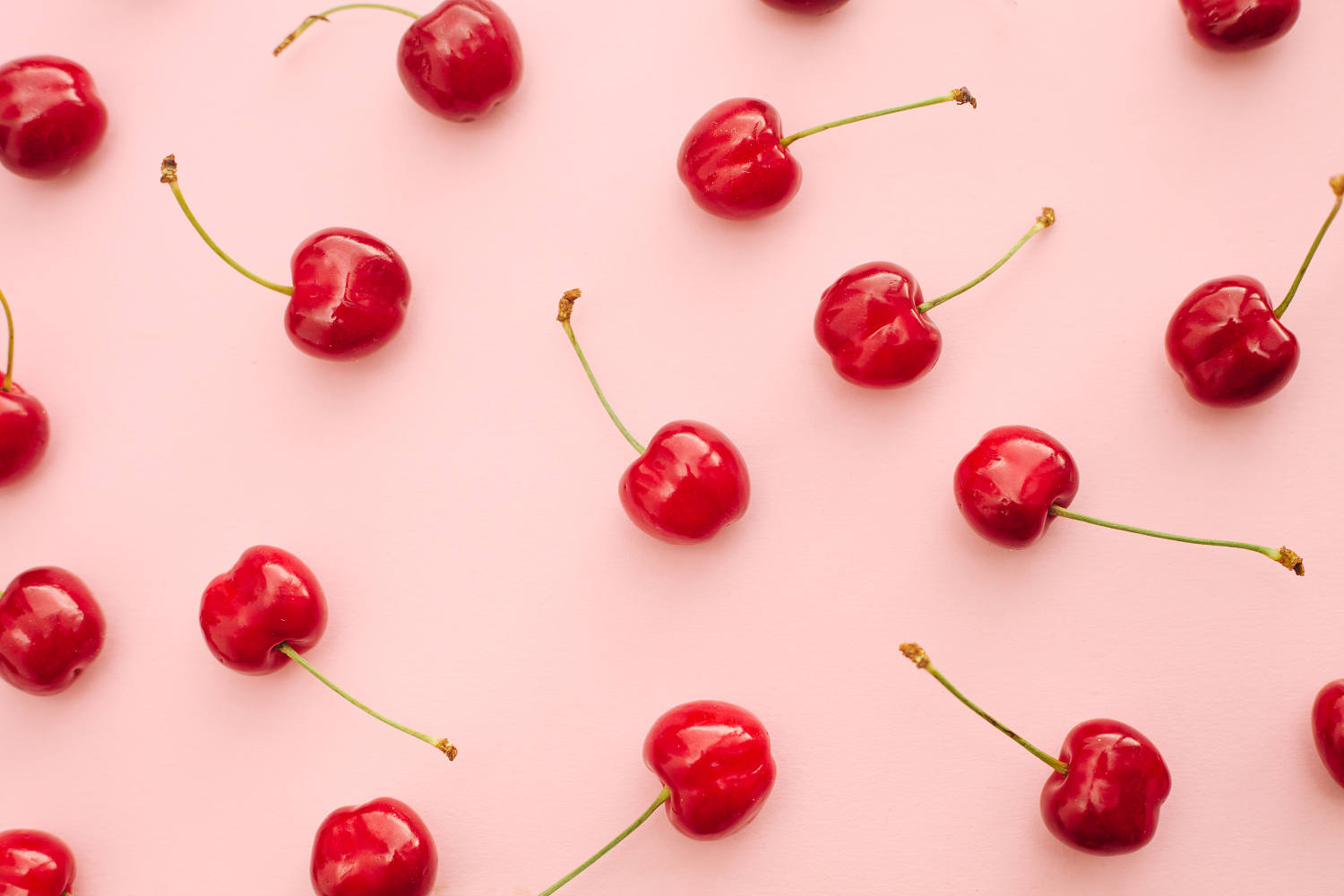
4. **Cherries**: Packed with anthocyanidins, cherries are known for their anti-inflammatory properties. Research suggests they can lower inflammation, blood pressure, and even post-exercise muscle soreness.
5. **Oranges**: While famous for their vitamin C content, oranges are also a significant source of flavanones, particularly hesperidin, which offers antioxidant and anti-inflammatory benefits.
6. **Onions**: Especially red and yellow varieties, onions are rich in flavonols like quercetin. This compound is recognized for its anti-inflammatory and antimicrobial properties.
7. **Apples**: A common fruit in many diets, apples provide flavonols such as quercetin and catechin. These compounds support heart health and are associated with a reduced risk of mortality.
8. **Red Grapes**: Known for their rich flavonoid content, red grapes contribute to brain health and improved vascular function. Zumpano advises focusing on grapes rather than red wine for health benefits.
9. **Edamame**: Immature soybeans are a top source of isoflavones, which may aid bone health and prevent osteoporosis, particularly in postmenopausal women. They are also high in fiber and protein, making them a filling snack.
Zumpano stresses that the best way to increase flavonoid intake is through whole foods rather than supplements. A diverse diet, including these fruits and vegetables, not only enhances flavonoid consumption but also provides essential vitamins and minerals.
For those looking to improve their health through diet, integrating these flavonoid-rich foods into daily meals is a recommended strategy. Beyond these foods, beverages such as black tea, green tea, and dark chocolate also offer beneficial flavonoids, making them excellent additions to a heart-healthy diet.