The ongoing debate over the consumption of meat versus plant-based diets has gained new insights from health studies and dietary recommendations. Prominent voices, such as cardiologist William C. Roberts, argue that humans are inherently more suited to a herbivore diet. He states, “Although most of us conduct our lives as omnivores… human beings have characteristics of herbivores, not carnivores.” As society becomes increasingly aware of these perspectives, the demand for plant-based alternatives is growing.
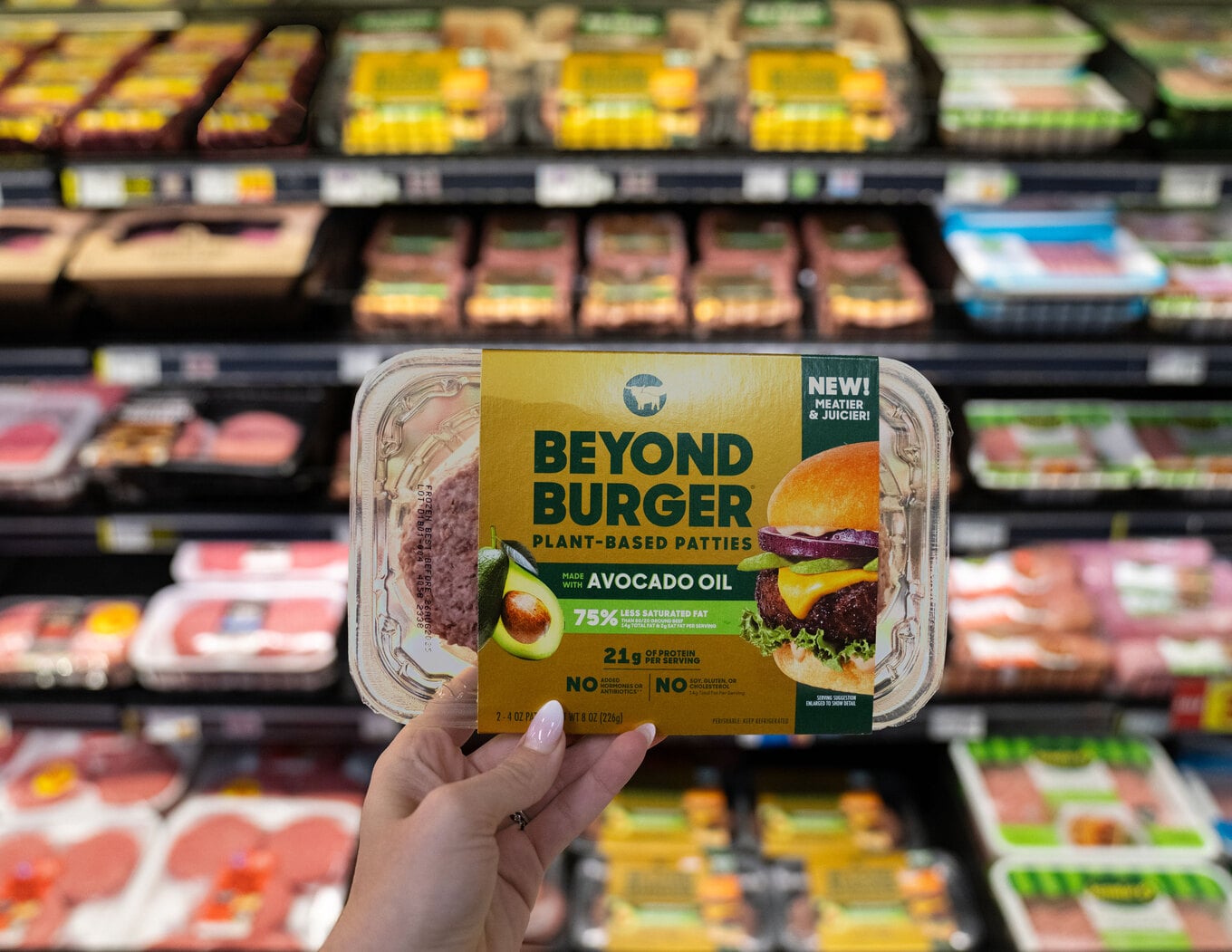
According to projections, the market for plant-based substitutes is expected to surge by over 400 percent, reaching an estimated $162 billion by 2030. This trend is reflected in grocery stores, where meat, dairy, and egg substitutes are now widely available. Additionally, many restaurants, including major fast-food chains, have expanded their vegan offerings significantly.
Nutrition experts emphasize the importance of protein in our diets, with the recommended daily allowance set at 0.8 grams per kilogram of body weight. For a person weighing 150 pounds, this amounts to approximately 52 grams of protein daily. Despite this, research from Harvard Medical School indicates that many adults consume excessive protein, with about 16 percent of daily calories coming from protein, while only 10 percent is necessary for active individuals.
A growing body of evidence suggests that plant-based proteins offer numerous health advantages compared to their animal-based counterparts. Studies have linked high consumption of red and processed meats to numerous health risks, including heart disease and cancer. The medical community increasingly advocates for reduced meat consumption to mitigate these risks.
Health Benefits of a Plant-Based Diet
Research consistently supports the benefits of a plant-based diet, indicating that it is not only beneficial for animals and the environment but also promotes human health. Here are seven key health benefits associated with not eating meat:
1. **Heart Health**: A diet rich in plant-based foods is associated with a lower risk of heart disease. The Physicians Committee for Responsible Medicine highlights that vegetarian and vegan diets contribute positively to cardiovascular health.
2. **Stroke Risk Reduction**: Consuming more whole grains, leafy greens, and legumes while limiting refined grains and added sugars can lower stroke risk by up to 10 percent, as suggested by Harvard Health.
3. **Blood Sugar Control**: Research indicates that adopting a plant-based diet may be more effective than medication in managing type 2 diabetes, the most prevalent form of the disease.
4. **Cancer Protection**: Studies show that meat and dairy consumption is associated with an increased cancer risk. In contrast, plant-based diets rich in phytochemicals may offer protective benefits. A study from Oxford University found that vegetarians face a 14 percent lower risk of cancer compared to meat-eaters, with vegans showing even lower rates.
5. **Blood Pressure Reduction**: A review of dietary studies revealed that vegetarian diets lead to an average systolic blood pressure reduction of 2.66 mmHg, while vegan diets showed a reduction of 3.12 mmHg.
6. **Improved Gut Health**: A diet high in fiber from whole foods feeds beneficial gut bacteria, improving overall health and reducing inflammation. This dietary shift can enhance gut microbiome diversity, a crucial aspect of health.
7. **Dementia Protection**: Emerging evidence suggests that antioxidants found in plant foods may protect against neurodegenerative diseases like dementia. Antioxidants help shield nerve cells from damage, potentially delaying the onset of conditions such as Alzheimer’s disease.
Plant-Based Protein Sources
Despite common misconceptions, plant-based protein sources are abundant and diverse. The following foods are excellent sources of protein:
1. **Seitan**: Made from wheat gluten, seitan contains 15 to 21 grams of protein per 3-ounce serving and is highly adaptable in recipes.
2. **Tofu**: This versatile ingredient provides approximately 10 grams of protein per half cup and can be incorporated into a variety of dishes.
3. **Lentils**: A staple for many, lentils add 12 grams of protein per half cup when cooked, making them a nutritious choice for soups and salads.
4. **Beans**: Just half a cup of beans delivers between 6 to 9 grams of protein and a substantial amount of fiber.
5. **Chickpeas**: With around 7.5 grams of protein per half cup, chickpeas are another versatile option in plant-based diets.
6. **Quinoa**: Known as a complete protein, one cup of quinoa contains about 8 grams of protein, along with all essential amino acids.
Incorporating more plant-based foods into one’s diet can be a gradual process. Consider starting with a vegan cookbook, focusing on meatless breakfasts, and increasing fruit and vegetable intake at each meal. Salads packed with greens, nuts, and beans can also provide satisfying and nutritious meal options. While vegan meats can be enjoyed, moderation is key due to their often processed nature.
As dietary preferences evolve, reducing meat intake can lead to improved health, benefiting individuals, animals, and the planet alike. Changes in diet should always be discussed with a healthcare professional, particularly to address nutritional needs such as vitamin B12 and D supplementation. Embracing a plant-based lifestyle can yield positive effects on personal health and contribute to a more sustainable world.