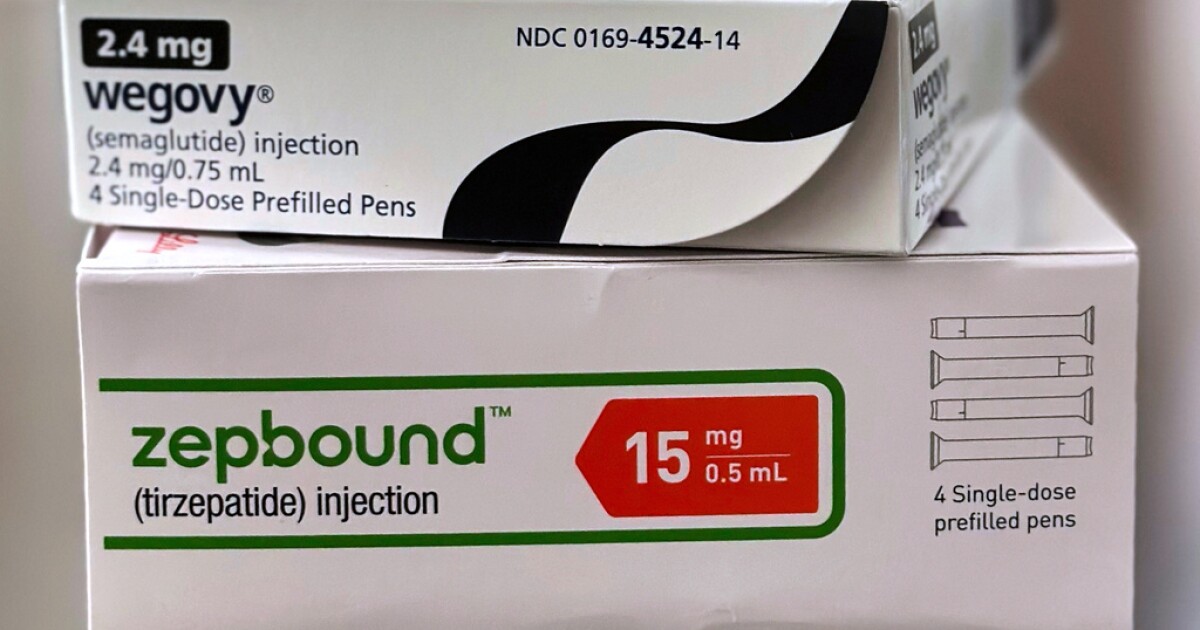
The Food and Drug Administration (FDA) has announced its intention to remove suicide warnings from several widely used weight-loss medications following a thorough safety evaluation. The medications in question include Eli Lilly’s Zepbound and Novo Nordisk’s Wegovy and Saxenda. This decision comes after an FDA review revealed no significant increase in suicidal thoughts or behaviors associated with the use of these GLP-1 medications.
The FDA’s request to revise the labeling stems from a review that identified the previous warnings as being based on reports linked to older weight-loss drugs, rather than evidence specific to the newer GLP-1 treatments. These medications, initially approved for managing Type 2 diabetes, have gained popularity as effective treatments for obesity in recent years. By mimicking hormones that regulate blood sugar and slow digestion, these drugs have enabled many patients to achieve significant weight loss.
Implications for Weight Management
The FDA’s recommendation to eliminate suicide warnings marks a pivotal moment for these blockbuster drugs, which have seen a surge in prescriptions for weight management. The safety review incorporated data from extensive clinical trials and ongoing post-market surveillance, reinforcing the FDA’s position that the benefits of these medications outweigh the previously stated concerns.
The agency’s findings could further encourage healthcare providers and patients to consider GLP-1 medications as viable options for weight management. As obesity rates continue to rise globally, the potential for these treatments to contribute positively to public health is significant.
Background on GLP-1 Medications
GLP-1 drugs were first authorized for the treatment of Type 2 diabetes, but their effectiveness in aiding weight loss has led to increased interest. The FDA’s comprehensive review included a detailed analysis of clinical trial data and real-world outcomes to ensure patient safety and efficacy.
The removal of the suicide warnings may enhance the appeal of these medications, which have already demonstrated remarkable results for many individuals struggling with obesity. By allowing for a clearer communication of risks and benefits, the FDA aims to provide both healthcare providers and patients with more confidence in these treatment options.
As the medical community continues to adapt to evolving obesity treatment paradigms, the FDA’s decision will likely influence both prescription practices and patient outcomes in the months ahead.