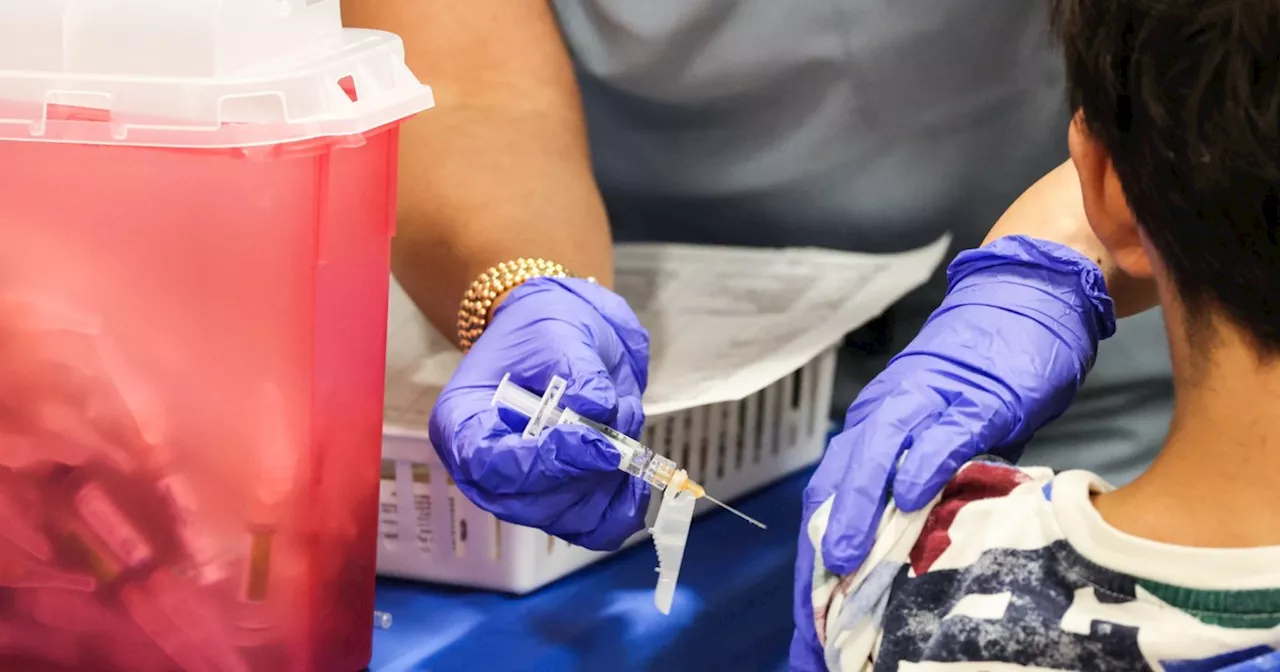
Florida has become the first state in the United States to roll back vaccine requirements for children attending public schools. This decision, which eliminates mandatory vaccinations against diseases such as measles and polio, has raised significant health concerns among parents and health advocates alike.
Michelle Flowers, a health-care advocate and former president of the Oncology Managers of Florida, emphasizes the potential dangers of this policy change. Measles, for instance, is highly contagious, capable of infecting up to 90% of individuals nearby if they lack immunity. Before the widespread availability of the measles vaccine, nearly every American child contracted the disease, resulting in hundreds of fatalities annually. Similarly, polio once paralyzed thousands of children each year until vaccines eradicated it.
Central Florida, home to one of the largest public school systems in the country, now faces the possibility that thousands of children could be at risk due to declining vaccination rates. According to the Centers for Disease Control and Prevention (CDC), recent outbreaks of measles have led to hospitalizations for more than 210 individuals this year, including the tragic deaths of three children, two of whom were unvaccinated. These deaths were preventable, highlighting the critical importance of vaccinations.
Vaccines are recognized as one of the most effective public health tools available. Thanks to high vaccination rates, America eradicated polio in the late 1970s and eliminated measles by the turn of the century. The CDC estimates that routine childhood immunizations for children born from 1994 to 2023 will prevent approximately 508 million cases of illness and over one million deaths throughout their lifetimes.
Vaccinations not only protect the children who receive them but also contribute to herd immunity, safeguarding vulnerable populations such as newborns, the elderly, and those with compromised immune systems. Currently, vaccination rates in Florida are declining; for instance, immunization rates among kindergartners have dropped to 88%, down from 94% in 2017. In Orange County, the rate is even lower at approximately 87%, while Osceola County reports a rate of about 86%. These figures fall below the herd immunity threshold necessary to effectively control diseases like measles and whooping cough.
Parents often experience anxiety when their children exhibit symptoms like fever or cough. However, the decision to eliminate vaccination requirements adds another layer of concern, making children more susceptible to diseases that can be prevented. As Flowers notes, policies that undermine public confidence in vaccines have grave implications not just for current health outcomes but also for future generations.
Amidst this backdrop, innovative vaccine technologies are emerging, with researchers at the AdventHealth Cancer Institute in Orlando exploring personalized mRNA vaccines to treat conditions such as bladder cancer. The success of these advancements hinges on public trust in vaccines, which is currently threatened by the decision to roll back immunization requirements.
Concerns about vaccine skepticism are valid, particularly in light of heavy-handed mandates during the COVID-19 pandemic, which led to some individuals losing their jobs for opting out of vaccines that had not yet received full FDA approval. Nevertheless, discontent regarding the government’s handling of COVID-19 should not erode confidence in the safety and efficacy of routine childhood vaccines.
It is crucial for leaders in Orlando and beyond to advocate for the health and safety of children. Reversing the decision to eliminate vaccination requirements is essential to protect both current and future generations from preventable diseases. Without a commitment to maintaining robust immunization standards, the potential for outbreaks of diseases like measles grows, threatening not only individual health but public well-being as a whole.