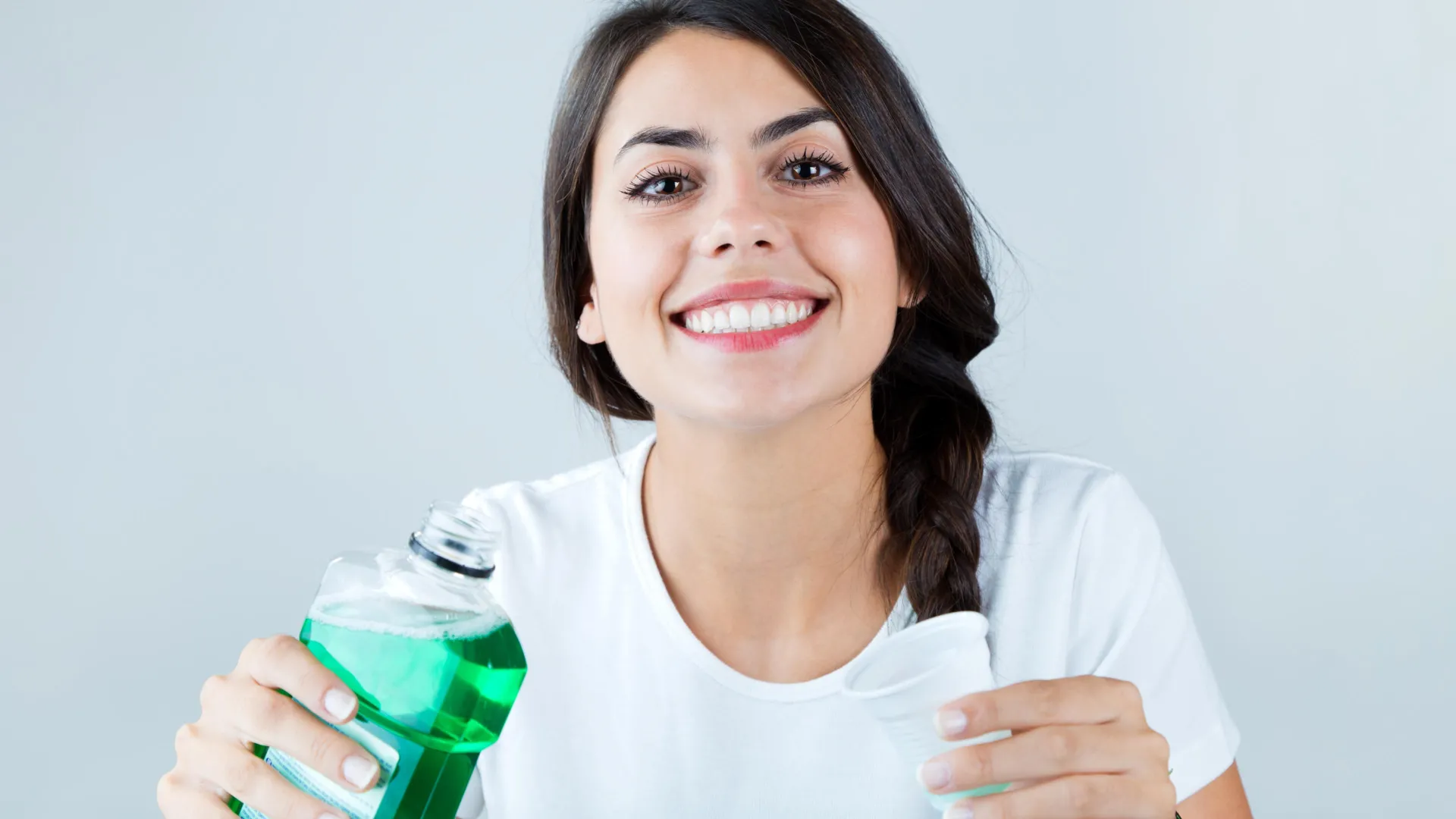
Garlic extract is emerging as a compelling alternative to chlorhexidine, the long-established “gold standard” in antimicrobial mouthwashes. A recent systematic review conducted by researchers at the University of Sharjah reveals that higher concentrations of garlic mouthwash can rival, and in some cases outperform, chlorhexidine in combating bacteria, while providing a more natural option for consumers.
The study, published in the Journal of Herbal Medicine on December 8, 2025, highlights the potential of garlic extract to deliver antimicrobial effects comparable to widely used antiseptics. The researchers noted that while garlic mouthwash may cause more discomfort than chlorhexidine, it appears to have a longer-lasting residual effect.
Review Methodology and Findings
The systematic review assessed the efficacy of garlic extract in comparison to chlorhexidine in clinical settings. Following the Preferred Reporting Items for Systematic Reviews and Meta-analyses 2020 guidelines, the researchers used the PICO framework to formulate their clinical research questions. They identified a total of 389 articles from six electronic databases in January 2024, adding 13 more through manual citation searches. Ultimately, only five articles met their strict inclusion criteria for analysis.
The selected studies comprised randomized controlled trials and clinical investigations with varying designs and low to moderate risks of bias. The review concluded that higher concentrations of garlic extract mouthwash exhibited antimicrobial effectiveness similar to that of chlorhexidine. The authors stated, “The effectiveness varied based on mouthwash concentration and duration of application, contributing to differences in outcomes.”
Some studies indicated that chlorhexidine maintained higher plaque and salivary pH levels, while others suggested that garlic extract was more effective at certain concentrations. The review also acknowledged that garlic mouthwash might result in greater discomfort for users.
Side Effects and Patient Considerations
While garlic extract can cause side effects, such as a burning sensation and unpleasant odor, these are generally milder than those associated with synthetic alternatives. The potential discomfort may influence patient choices when considering a switch from chlorhexidine to garlic-based mouthwash options.
Despite these drawbacks, the review presents strong evidence supporting the clinical antimicrobial activity of garlic extract, showing “significant reductions in bacterial counts from baseline.” This suggests that garlic extract mouthwash could serve as a viable alternative to chlorhexidine in specific contexts. The authors recommend further clinical trials with larger participant groups and extended follow-up periods to validate the effectiveness of garlic as an alternative treatment.
Garlic has long been recognized for its natural antibacterial and antifungal properties, with scientific interest particularly focused on allicin, a compound known for its robust antimicrobial activity. Although classified as a vegetable, garlic is commonly utilized as both an herb and a spice, with global usage reaching approximately 30 million metric tons in 2024. Notably, China accounted for nearly 80 percent of the world’s garlic consumption and production.
The global garlic extract market was valued at over $15 billion that same year, reflecting growing interest in natural alternatives for oral care.
The review emphasizes that antimicrobial mouthwashes are vital in oral and dental care, particularly against diseases caused by bacteria, fungi, or viruses. While garlic extracts are widely available in over-the-counter health products, synthetic agents like chlorhexidine typically require a prescription.
The authors also pointed out numerous studies demonstrating garlic extracts’ antimicrobial effects against a variety of pathogens. However, they highlighted that most existing studies are in vitro, often lack standardization, and vary in methodology, underscoring the need for further research to confirm garlic’s clinical efficacy.
In summary, garlic extract shows considerable promise as an alternative to chlorhexidine in the realm of oral care. With the potential for reduced side effects and a more natural profile, it could reshape how patients approach antimicrobial mouthwash options in the future.