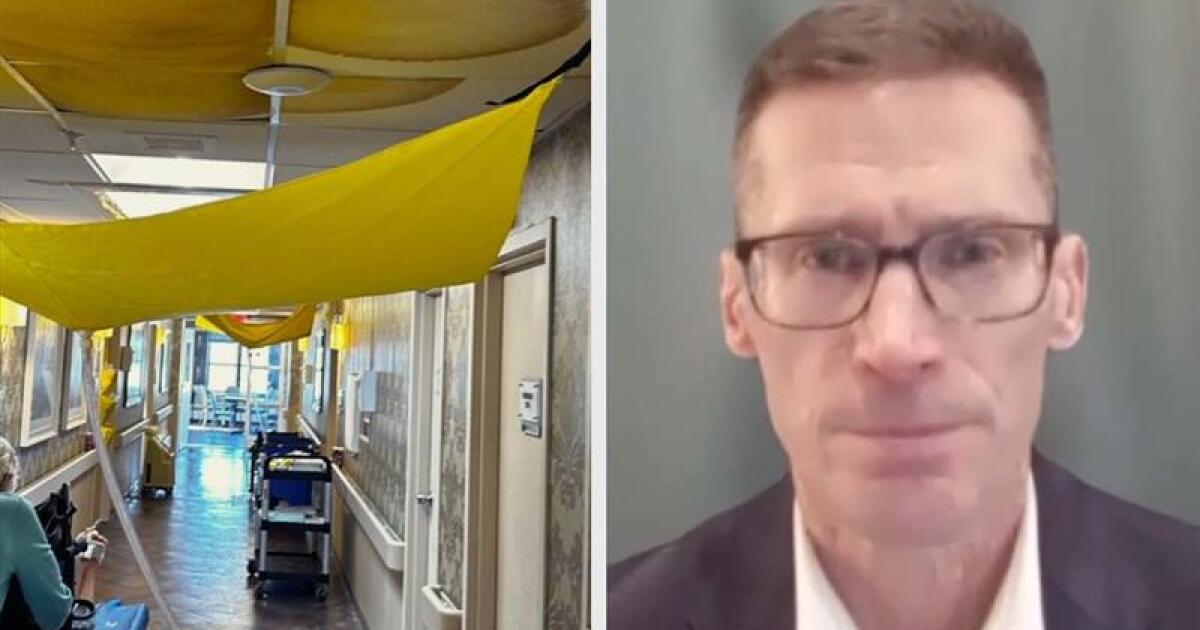
Concerns surrounding cold rooms and leaking roofs at a Williamsville nursing home have sparked a wider discussion about the state of long-term care facilities across New York. Residents and their families are raising alarms about the conditions at Comprehensive Rehab of Williamsville, where a 95-year-old resident, Norma, reported that temperatures inside the facility seem unusually low and buckets line the hallways to catch leaking water from the roof.
Norma, who visits her daughter nearly six days a week, expressed her worries about the environment within the facility. Family members and staff allege that the temperature may have been intentionally lowered to mitigate the effects of snowmelt and worsening leaks. Despite these serious allegations, the facility has not provided any public comment on the matter.
The situation in Williamsville highlights broader challenges faced by nursing homes throughout the state. According to Stephen Hanse, President of the New York State Health Facilities Association, many facilities are grappling with profound financial pressures. Since 2020, 14 nursing homes have closed in New York, and approximately 70 percent of those remaining are operating at a financial loss.
Documents indicate that New York’s Medicaid program is expected to allocate nearly $124 billion in the upcoming fiscal year, with long-term care services accounting for over 60 percent of that spending. Although state leaders have claimed to implement the largest nursing home rate increases in two decades and have invested in workforce support, Hanse argues that rising labor costs, insurance premiums, and other operational expenses are outpacing reimbursement rates.
“This disinvestment is a recipe for failure,” Hanse stated, emphasizing the urgency of the situation. He further warned that with New York’s aging population—often referred to as the “silver tsunami”—the demand for skilled nursing beds is set to rise dramatically. By 2030, Hanse projected that the state will lack sufficient beds to accommodate the growing needs of individuals requiring skilled nursing care.
For families like Norma’s, these discussions of budgetary constraints feel far removed from their daily realities. At 95 years old, Norma remains determined to check on her daughter, fearing the potential consequences of inaction.
The New York State Department of Health is responsible for overseeing nursing home inspections. Efforts to reach the department for comments on the conditions at Comprehensive Rehab of Williamsville are ongoing, but a staff member at the facility has declined to provide any remarks.
As the debate over funding and resources for nursing homes continues, the situation in Williamsville serves as a striking reminder of the pressing issues that many long-term care facilities face across New York State. The need for sustainable solutions is critical as both residents and their families advocate for necessary changes to ensure safe and dignified care for the aging population.