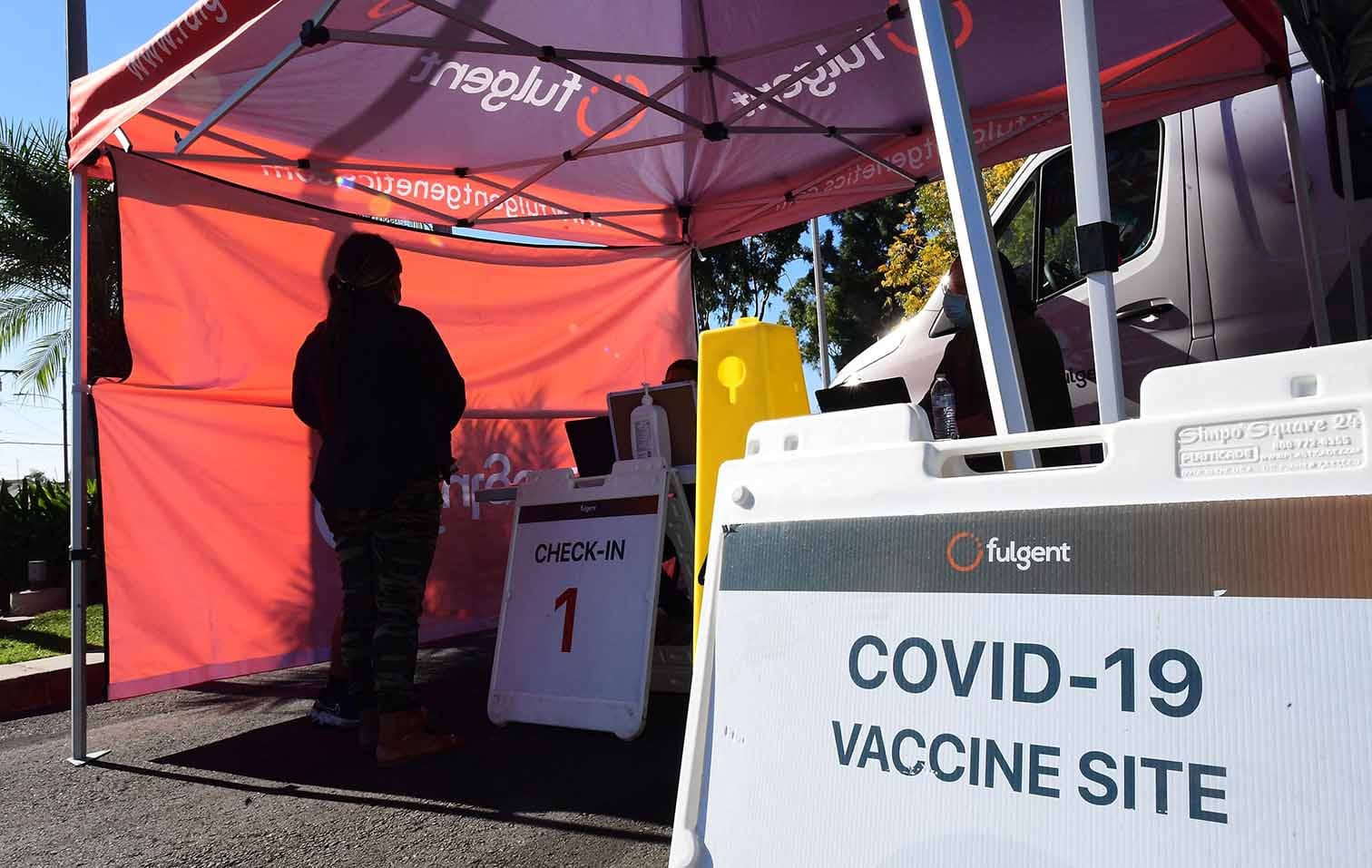
The approach of the holiday season presents a crucial opportunity for individuals to receive both COVID-19 and flu vaccinations. Health experts emphasize that while the ideal time to get vaccinated is typically by the end of October, it is still beneficial to get vaccinated into the respiratory virus season. According to the latest data from the U.S. Centers for Disease Control and Prevention (CDC), flu activity, particularly the flu A strain, is on the rise in the United States this month.
“It is really not too late to get your shot,” said Dr. Nicholas Van Sickels, an infectious disease specialist with UK HealthCare, in an interview with the Herald-Leader. Notably, U.S. flu activity generally peaks between December and February, making this period a critical time for vaccinations.
Why Vaccination is Important Before Holiday Gatherings
Dr. Van Sickels pointed out that the vaccines provide some level of protection within about a week after administration, which is especially relevant for those planning holiday gatherings or travel. “If you are looking at optimal timing, and you plan holiday travel or getting together with others, this is a great time to get your flu shot if you haven’t,” he noted. Public health guidance from the CDC recommends that everyone aged six months and older should receive a flu vaccine, with few exceptions.
Additionally, the CDC advises COVID-19 vaccinations for older adults, particularly those aged 65 and older, given their heightened risk for severe complications from the virus. Younger populations are encouraged to consider vaccination based on specific risk factors, such as underlying health conditions including heart, lung, and immune issues, as well as obesity and sedentary lifestyles.
Vaccination appointments are readily available at major pharmacies, including Walgreens, CVS, and Kroger, making it convenient for individuals to access these important health measures.
Effectiveness and Side Effects of the Flu Vaccine
A recent study examining flu activity in the Southern Hemisphere indicated that the flu vaccine’s effectiveness this year is approximately 50% in preventing clinic visits and hospitalizations due to the flu. This means the vaccine can effectively halve the rate of medical care required for flu-related issues, according to the Center for Infectious Disease Research and Policy.
Certain groups, including older adults, young children, pregnant individuals, and those with weakened immune systems, tend to experience a greater benefit from the flu vaccine. That said, even young, otherwise healthy adults can expect a significant advantage from vaccination. The CDC reports that during seasons when the vaccine strains closely match circulating flu viruses, the vaccine reduces the risk of needing to visit a doctor for flu symptoms by 40% to 60%.
Vaccination also lessens the severity of illness for those who do contract the flu. “It definitely helps people when they do get sick with the flu. They end up less often being hospitalized, less often being very sick,” Dr. Van Sickels explained. In contrast, those who remain unvaccinated risk prolonged illness and the potential to spread the virus to family and friends.
Concerns about side effects from the flu vaccine are common. According to the CDC, the vaccine cannot cause the flu. There are two main types of flu shots: one containing killed influenza viruses and the other consisting of proteins from the virus. The nasal spray vaccine, made with weakened live viruses, is also available but carries different potential side effects.
Common side effects from flu shots include mild symptoms such as soreness at the injection site, headache, fever, muscle aches, nausea, and fatigue. For those receiving the nasal spray vaccine, side effects can also include a runny nose, wheezing, and sore throat, among other symptoms.
With the holiday season fast approaching, health experts strongly recommend that individuals prioritize their vaccinations to protect themselves and their loved ones from COVID-19 and the flu. As the risk of respiratory viruses escalates, timely vaccination can make a significant difference in public health outcomes.