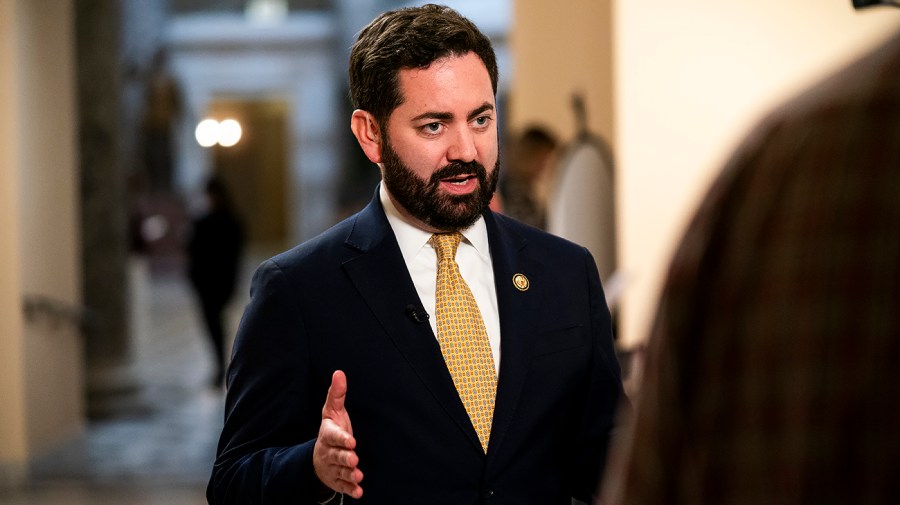
The House of Representatives is set to pass a significant piece of legislation on March 15, 2024, aimed at extending ObamaCare tax credits for an additional three years. This move is seen as a pivotal win for Democrats, yet it also ignites optimism among centrist Republicans for a potential bipartisan agreement that could ultimately reinstate these crucial subsidies.
The proposed extension is part of a broader effort to address the affordability of healthcare for millions of Americans. The tax credits, originally implemented under the Affordable Care Act, have been a contentious topic, with both parties expressing differing views on their sustainability and effectiveness. While this bill is expected to pass in the House, its future in the Senate remains uncertain, as the current proposal does not appear to have sufficient support to advance without adjustments.
Impact and Implications
The potential extension of these credits comes at a time when many Americans face rising healthcare costs. According to analysis from the Biden Administration, over 13 million individuals currently rely on these subsidies to make their healthcare premiums manageable. The expiration of these credits would significantly increase out-of-pocket expenses for many families, complicating access to necessary medical services.
Centrist Republicans, often referred to as “moderate rebels,” are hopeful that this legislative move could pave the way for a more collaborative approach to healthcare reform. They argue that by working together, both parties can create a more sustainable healthcare system that balances accessibility with fiscal responsibility. This sentiment reflects a growing desire within certain factions of the Republican Party to engage in constructive dialogue, particularly on issues that directly affect constituents.
Future Legislative Prospects
Despite the anticipated House approval, the Senate’s response will be critical. Some analysts suggest that any path forward will require significant negotiation and potential amendments to the bill. Senate leaders have indicated that they are not ready to endorse the current version, hinting at a need for more comprehensive reforms that address broader healthcare issues, such as prescription drug pricing and overall healthcare delivery efficiency.
The ongoing discussions surrounding this legislation highlight the complexities of U.S. healthcare policy and the challenges lawmakers face in reaching consensus. As the debate unfolds, the implications for American families and the healthcare system will remain under scrutiny, with advocates on both sides monitoring the situation closely.
In summary, while the House’s decision to extend ObamaCare tax credits represents a notable victory for Democrats and an opportunity for bipartisan dialogue, the overall effectiveness and future of the legislation hinge on the Senate’s forthcoming actions. Both parties will need to navigate a landscape marked by differing priorities and public expectations as they seek to address one of the most pressing issues facing the nation.