The Illinois cannabis industry faces significant challenges as recreational sales revenue fell by 13% in the past year, totaling approximately $1.5 billion. This decline marks a notable shift in a sector previously considered a lucrative business opportunity. Factors contributing to this downturn include increased competition from hemp products and sales from neighboring states.
The closure of the Okay Cannabis dispensary in Wheeling serves as a stark example of this trend. Once heralded as a promising venture, this dispensary combined marijuana and alcohol sales with the adjacent West Town Bakery. Despite its innovative concept, the store struggled to maintain adequate sales and ultimately closed its doors last spring, leaving a 12,000-square-foot space vacant.
This closure is not an isolated incident. Another dispensary, Spark’d, located in Crystal Lake, also shut down in 2024. Furthermore, state records indicate that only 29 out of 86 licensed craft growers in Illinois are operational, highlighting broader issues within the industry.
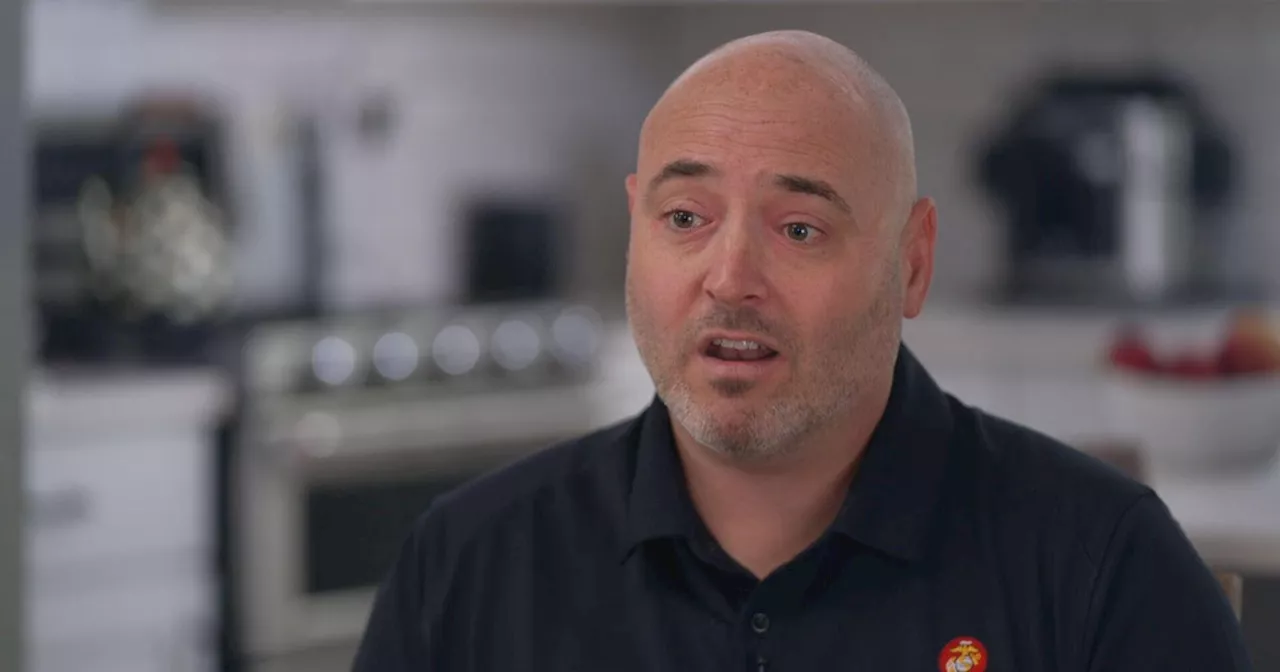
The reduced sales figures reflect a market pressured by lower prices, attributed largely to competition from hemp retailers and out-of-state cannabis sales. Scott Weiner, a co-founder of the Fifty/50 Group, which operates West Town Bakery, noted that large companies dominate the market. These enterprises hold exclusive rights to medical cannabis dispensaries, avoiding the high taxes that other retailers must impose.
Weiner remarked, “You just can’t fight the big boys. For the new social equity guys coming in, sadly there’s no path to success.” While consumers benefit from lower prices, cannabis businesses struggle with high operational costs and the inability to claim standard tax deductions due to federal restrictions on marijuana.
There is some optimism among operators regarding potential changes at the federal level. The Trump administration has indicated a willingness to reschedule marijuana to a less restrictive classification, which would enable tax deductions for cannabis businesses. Additionally, Congress voted to ban intoxicating hemp products, effective in November 2023, a move expected to benefit licensed cannabis retailers.
Despite these developments, challenges persist. The Chicago City Council approved a ban on hemp sales, but Mayor Brandon Johnson vetoed it, citing concerns that it would negatively impact small businesses owned by Black and brown individuals while favoring larger cannabis companies.
Tim O’Hern, Chief Operating Officer of Nature’s Grace and Wellness, which acquired the Okay Cannabis dispensaries, expressed a more positive outlook. He stated, “Lower tax rates and the intoxicating hemp ban will really accelerate the regulated cannabis market and provide more opportunities for new operators.”
Despite the anticipated benefits of these changes, some small operators remain skeptical. Douglas Kelly, Executive Director of the Cannabis Equity Illinois Coalition, emphasized that simply banning hemp products will not resolve the underlying issues. He noted, “People are going to places that are cheaper to buy their product, whether it’s the hemp shop on the corner or Michigan.”
The coalition advocates for lowering cannabis taxes, which can exceed 40%, to enhance competitiveness. Kelly criticized the proposed rescheduling as a partial measure favoring larger pharmaceutical companies rather than advocating for comprehensive federal legalization.
Interestingly, while revenue has decreased, the volume of cannabis sold has increased. Last year, the state reported sales of 58 million cannabis items, reflecting the impact of lower prices on consumer purchasing behavior. The price per ounce has dropped significantly, from an average of over $400 in 2020 to approximately $167 today.
As the industry navigates these changes, many conditional license holders are still struggling to secure funding for their operations. The cannabis sector has generated considerable employment, with around 9,000 licensed dispensary employees and nearly 8,000 additional workers in cultivation.
The Illinois Department of Financial and Professional Regulation, which oversees the cannabis market, remains cautiously optimistic. Spokesperson Steve Johnson stated that the department hopes reclassification will foster industry growth. However, stringent security requirements, including the installation of over 100 security cameras and around-the-clock guards, continue to burden operators.
As the potential ban on intoxicating hemp products approaches, questions about enforcement and the availability of inspectors linger. The future of Illinois’ cannabis industry remains uncertain as it grapples with competition, regulatory challenges, and evolving market dynamics.