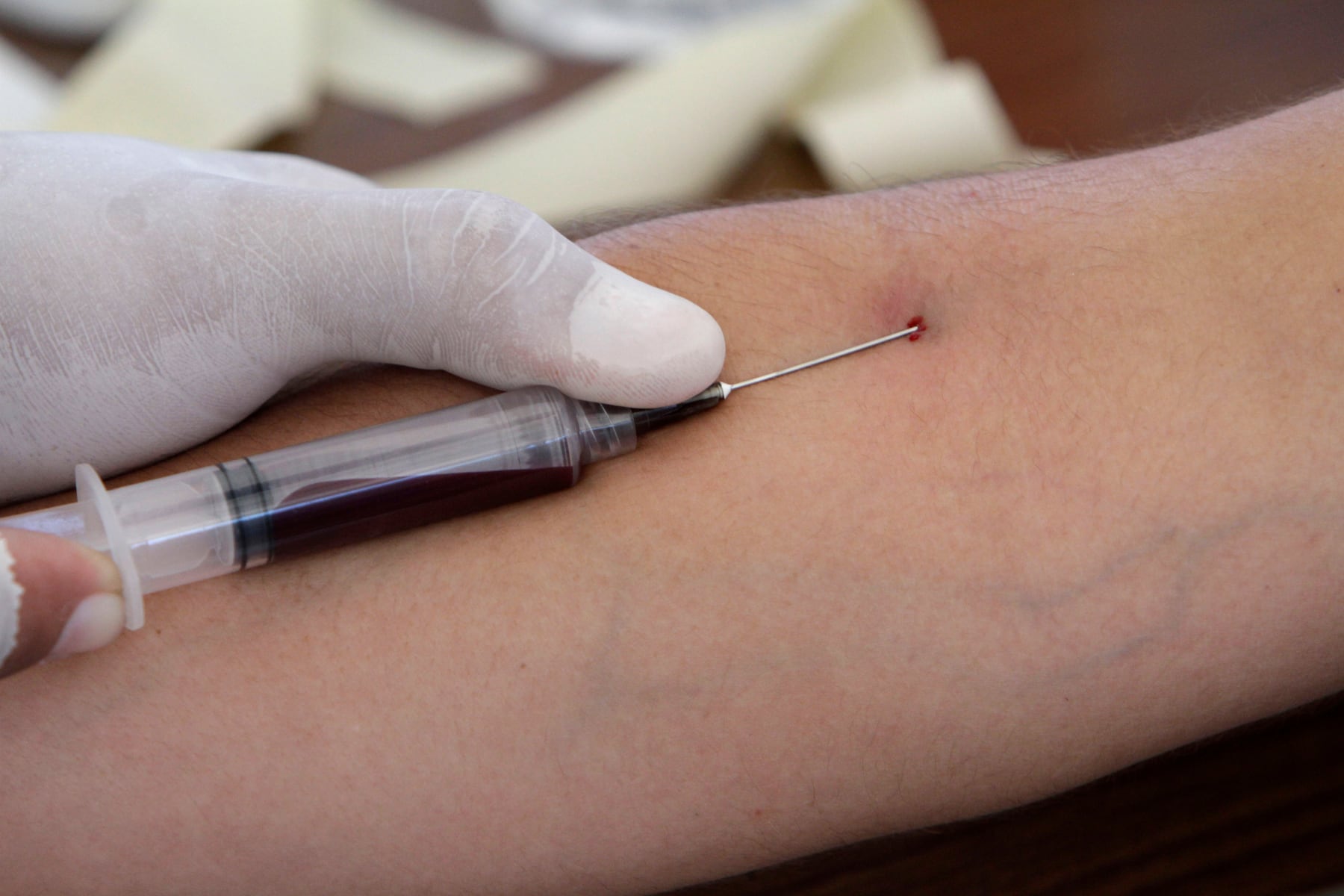
The latest HIV Surveillance Annual Report for New York City reveals a troubling rise in HIV diagnoses, coinciding with significant concerns over potential federal funding cuts. In 2024, the city recorded 1,791 new HIV diagnoses, marking a 5.4% increase from the previous year. This upward trend has raised alarms among health officials, who fear that reductions in funding could undermine ongoing prevention efforts.
On Staten Island alone, there were 39 new diagnoses reported, contributing to a total of 2,608 residents currently living with HIV in the borough. The report also highlighted 44 HIV-related deaths in 2024, underscoring the ongoing public health challenge. The data indicates significant racial and ethnic disparities in new diagnoses, with approximately 86% of newly diagnosed individuals being Black or Latino/Latina. These disparities are attributed to a range of systemic factors, including structural racism and limited access to healthcare, as outlined in a press release from the New York City Department of Health and Mental Hygiene.
Concerns Over Federal Funding Cuts
The troubling increase in HIV cases comes at a critical juncture, as the federal government has proposed drastic cuts to HIV prevention funding. Specifically, the Centers for Disease Control and Prevention (CDC) is facing plans to eliminate its entire Division of HIV Prevention, along with a complete cut of $755 million allocated for HIV prevention programs. If these cuts are enacted, the New York City health department anticipates losing over $41 million in vital funding. This financial support is crucial for identifying new HIV cases, connecting individuals to necessary treatment, and providing partner services.
Despite significant advancements over the past 25 years — where new HIV diagnoses in New York City have decreased by more than 70% since 2001 — city health experts express concern that progress has stagnated. Dr. Michelle Morse, Acting Health Commissioner, stated, “In the last three decades, we’ve made immense progress toward ending the HIV epidemic in New York City. Yet this progress has stalled as new diagnoses have increased or remained stable for the fourth year in a row.”
This situation places a spotlight on the importance of sustained funding and community engagement in combating HIV. As health officials prepare for the potential impact of funding cuts, the data from this report serves as a critical reminder of the ongoing challenges in public health. The increase in HIV diagnoses highlights the need for continued vigilance and support for vulnerable populations in New York City and beyond.