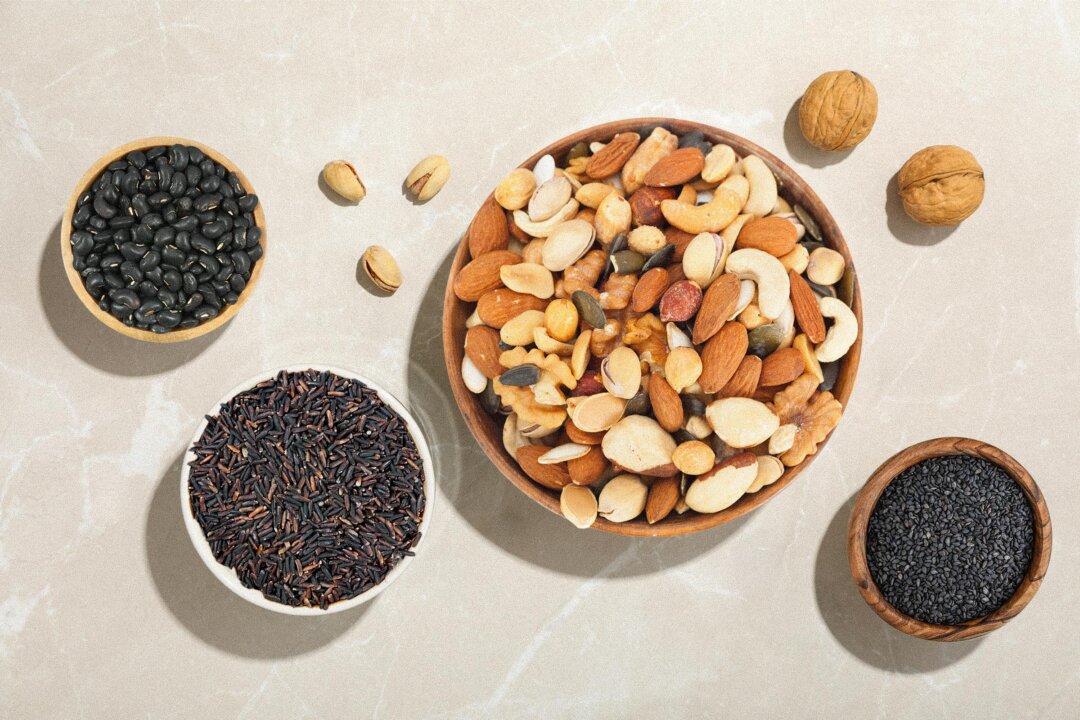
The role of kidneys in maintaining overall health is emphasized in both Traditional Chinese Medicine (TCM) and Western medicine. According to TCM, nourishing the kidneys not only supports bodily functions but also contributes to longevity. Taiwanese TCM practitioner Lin Gui has highlighted the significance of incorporating specific foods into one’s diet to promote kidney health and prevent aging.
Understanding Kidney Health
In TCM, the kidneys are viewed as the essence of life, integral to various bodily functions including brain activity, hair health, bone strength, and efficient respiration. This perspective aligns with Western medical insights, recognizing that kidney function influences hormonal balance and water metabolism. As individuals reach middle age, focusing on kidney nourishment becomes increasingly important.
Lin Gui emphasizes that “food therapy is better than medication,” suggesting that dietary choices can play a pivotal role in health management. He advocates for the regular consumption of seven specific foods that can help fortify kidney function and, by extension, support overall vitality.
Seven Foods to Nourish the Kidneys
1. **Black Beans**: Rich in antioxidants and nutrients, black beans are believed to support kidney function and help in detoxification.
2. **Walnuts**: Known for their healthy fats and omega-3 fatty acids, walnuts can enhance kidney health and improve blood circulation.
3. **Beetroot**: This vibrant vegetable is packed with nitrates, which can improve blood flow and support kidney function.
4. **Pumpkin Seeds**: High in magnesium and zinc, pumpkin seeds are known to promote urinary health and support kidney function.
5. **Seaweed**: Seaweed is rich in iodine and minerals, which may help in regulating kidney health and maintaining hormonal balance.
6. **Lemons**: The vitamin C content in lemons aids in detoxification and supports kidney health.
7. **Himalayan Salt**: This salt is considered a healthier alternative to regular table salt. It contains trace minerals beneficial for kidney function.
Incorporating these foods into one’s diet can be a proactive approach to maintaining kidney health. As the body ages, the need for such dietary considerations becomes more critical.
Lin Gui’s insights echo a growing recognition of the importance of food as medicine. By focusing on nourishing the kidneys, individuals can embrace a holistic approach to health that seeks to enhance longevity and vitality.
In conclusion, paying attention to kidney health through diet is a valuable strategy for individuals, especially those in middle age. As Lin Gui advises, “food therapy is better than medication,” highlighting the potential of dietary choices in supporting a healthy lifestyle.