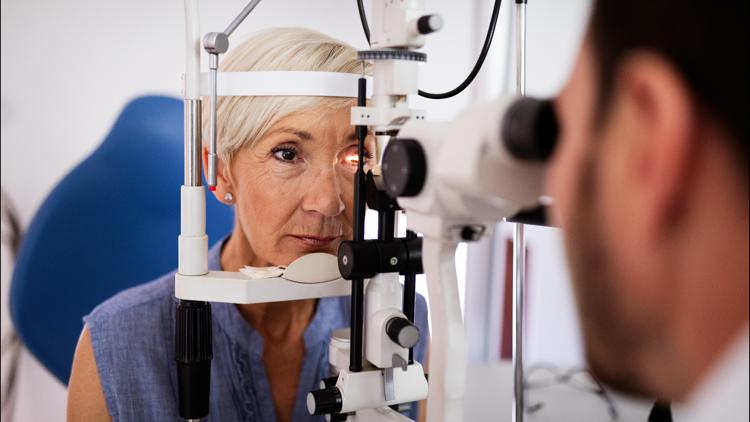
January marks Glaucoma Awareness Month, a time to shed light on a condition that affects over 4 million people in the United States. Despite its prevalence, many individuals remain unaware of their diagnosis. Dr. Eliesa Ing, an associate professor at Oregon Health & Science University’s Casey Eye Institute, emphasizes the urgency of regular eye examinations to detect this often-silent disease.
Glaucoma is frequently referred to as the “silent blinder” because it typically presents few symptoms until substantial damage has occurred. Dr. Ing notes that the condition can take various forms, with some types being age-related while others may develop more rapidly. With slow-developing glaucoma, patients might only become aware of their condition when they start noticing blind spots in their peripheral vision, a fact highlighted by research from the Mayo Clinic. In contrast, other forms can manifest through severe headaches, intense eye pain, or blurred vision.
As the disease progresses, it leads to nerve damage in the eye, which can ultimately result in permanent blindness. “I think the important thing to realize is that if you don’t have an eye care provider because you don’t wear glasses, those are the people that we often really miss because they don’t go to an eye care provider on a regular basis,” Dr. Ing stated. Her advice is clear: regular eye check-ups are essential.
Understanding Glaucoma and Its Risks
Eye care professionals have the tools necessary to screen for glaucoma effectively. Dr. Ing explains the use of a specialized imaging technique known as Optical Coherence Tomography (OCT). This method, likened to a CAT scan but utilizing light rays, allows doctors to capture images of the nerve inside the eye. It reveals the health of the nerve fiber layer, indicating whether it is deteriorating.
Certain demographics are at heightened risk for developing glaucoma. Dr. Ing identifies individuals of African or Hispanic descent, those with high prescriptions, and individuals with a family history of the disease as particularly vulnerable.
For those seeking more information on glaucoma, the American Glaucoma Society offers valuable resources and insights. Awareness and proactive measures can significantly impact eye health, making it crucial for everyone, especially those at risk, to prioritize their vision care this month and beyond. Regular screenings and consultations with eye care professionals can lead to early detection and management of this potentially sight-threatening condition.