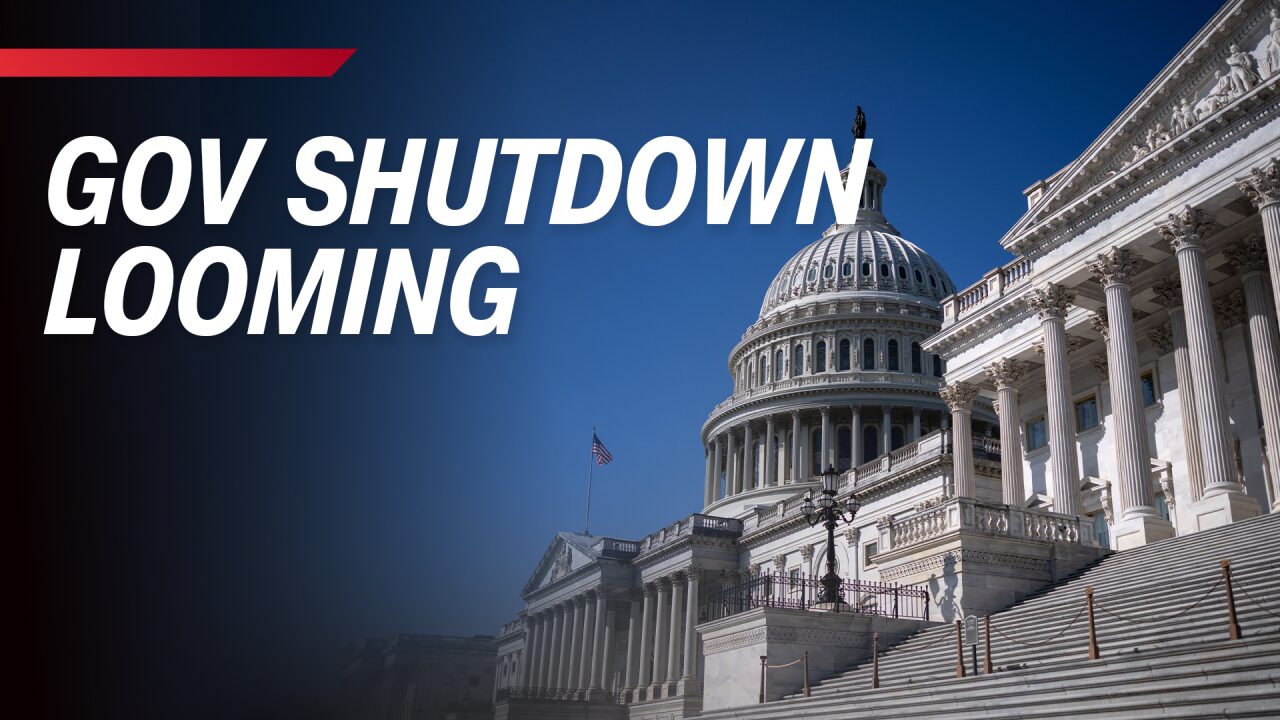
The United States government is on the brink of a partial shutdown as lawmakers in the Senate scramble to pass a funding deal. The urgency arises from the impending deadline of September 30, 2023, when current federal funding is set to expire. Without an agreement, essential services and programs may face disruptions, impacting millions of citizens.
Senate leaders are actively working on a bipartisan funding package, but its fate hinges on approval from the House of Representatives, which is not scheduled to reconvene until Monday. The current situation reflects ongoing tensions within Congress, as lawmakers grapple with differing priorities and budgetary constraints.
The proposed Senate funding deal aims to secure financing for various government programs, including health services, education, and infrastructure. Democratic and Republican leaders have expressed a commitment to preventing a shutdown, emphasizing the need for compromise and collaboration. However, divisions remain, particularly concerning discretionary spending levels and policy riders.
As the deadline approaches, the stakes grow higher. A government shutdown could lead to furloughs for federal employees and delays in critical services. Furthermore, it could disrupt economic stability, affecting everything from national parks to public health initiatives.
In a recent statement, Senate Majority Leader Chuck Schumer asserted the importance of reaching an agreement. “We are working hard to ensure that we avoid a shutdown and keep the government running for the American people,” he said during a press briefing.
Meanwhile, House Speaker Kevin McCarthy has indicated that the House will need to address the Senate’s proposals swiftly upon their return. He acknowledged the challenges ahead but emphasized the importance of maintaining government functions. “We cannot allow our differences to lead to a shutdown,” he stated.
The political landscape remains complex, with various factions within both parties advocating for their respective agendas. The outcome of this negotiation will have far-reaching implications, not only for government operations but also for public confidence in elected officials.
As discussions continue, the clock is ticking. Lawmakers face mounting pressure from constituents and advocacy groups urging them to find common ground. The potential impact of a government shutdown serves as a reminder of the delicate balance between fiscal responsibility and the essential services that millions depend on.
In conclusion, the Senate’s efforts to pass a funding deal are crucial as the deadline looms. The actions taken in the coming days will determine whether the federal government can avert a shutdown and maintain its operations, highlighting the importance of bipartisan cooperation in the political process.