As temperatures drop, many individuals struggle to maintain their exercise routines. Cold weather presents unique challenges but also offers distinct fitness benefits. With proper preparation, outdoor exercise in winter can be both safe and enjoyable.
Exercising outdoors during the colder months can enhance heart health, improve blood sugar control, aid in weight management, and elevate mood. According to health experts, consistent physical activity in winter is crucial due to the potential for seasonal affective disorder and the tendency to retreat indoors. However, engaging in outdoor workouts during this season requires vigilance and smart choices to mitigate risks such as frostbite, hypothermia, and dehydration.
Preparation is Key
Before stepping outside, it is essential to dress appropriately. Wearing multiple layers can help trap warmth while allowing for moisture management. Start with a moisture-wicking base layer to keep sweat away from the skin. Avoid cotton, which retains moisture and can lead to chilling. An insulating mid-layer, such as fleece or wool, is crucial, topped off with a windproof, water-resistant outer shell.
A warm hat and mittens are essential as the body can lose up to 50% of its heat through the head. Additionally, consider using traction devices like micro-spikes for icy surfaces to prevent slips and falls. Choose seamless, moisture-wicking sports bras to minimize chafing, which can be more pronounced in colder weather.
As you prepare for your outdoor workout, begin with dynamic movements indoors for about five to ten minutes to warm up your muscles. This practice not only prevents injury but also allows your body to adjust before facing the cold air. If icy conditions make running hazardous, alternatives such as snowshoeing, Nordic walking, or cross-country skiing provide excellent cardiovascular workouts. For those particularly sensitive to cold, breaking long sessions into shorter intervals can be beneficial.
Stay Hydrated and Nourished
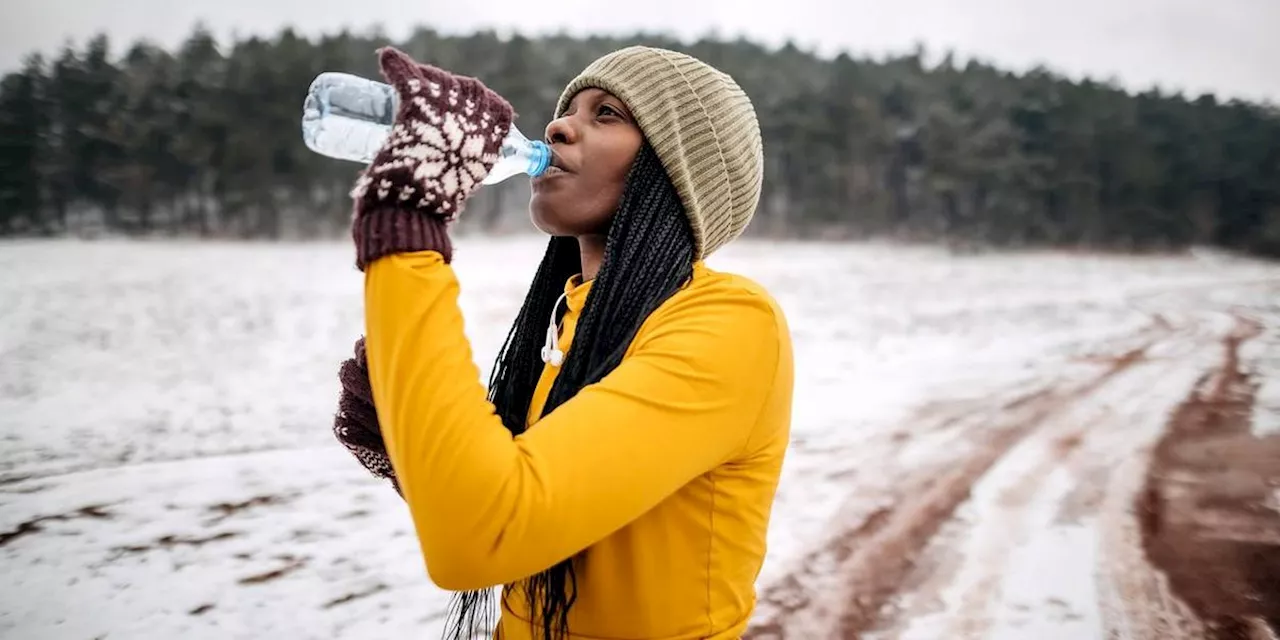
Staying hydrated during winter workouts is critical, even if the cold makes it less obvious. The body loses fluids through breathing and perspiration beneath layers of clothing. Prepare by drinking water before and after exercise. For sessions lasting longer than one hour, consider warm beverages like tea or cider to maintain hydration.
In terms of nutrition, eating a small snack that includes lean protein and complex carbohydrates one to two hours before exercising can help maintain stable blood sugar levels. For more intense or longer workouts, consuming simple carbohydrates right before the activity and opting for drinks that contain electrolytes will provide essential fuel.
It’s vital to listen to your body and remain aware of local weather conditions. If wind chill falls to dangerously low levels, or if heavy ice, freezing rain, or deep snow make for unsafe walking conditions, stay indoors. Poor air quality can also impact breathing and visibility, necessitating caution.
The benefits of staying active throughout winter are considerable, both for physical and mental health. With the right strategies in place, individuals can enjoy the invigorating experience of exercising outdoors, even in the colder months. Prepare adequately, dress appropriately, and remain aware of environmental factors to ensure a safe and effective winter workout.