In 2025, Texas A&M AgriLife made significant strides in addressing critical challenges in agriculture and life sciences. Through innovative research, educational initiatives, and community service programs, the organization positively impacted Texas and beyond. This year showcased a commitment to safeguarding food supplies, fostering future leaders, and enhancing the resilience of communities.
Addressing Invasive Species and Agricultural Challenges
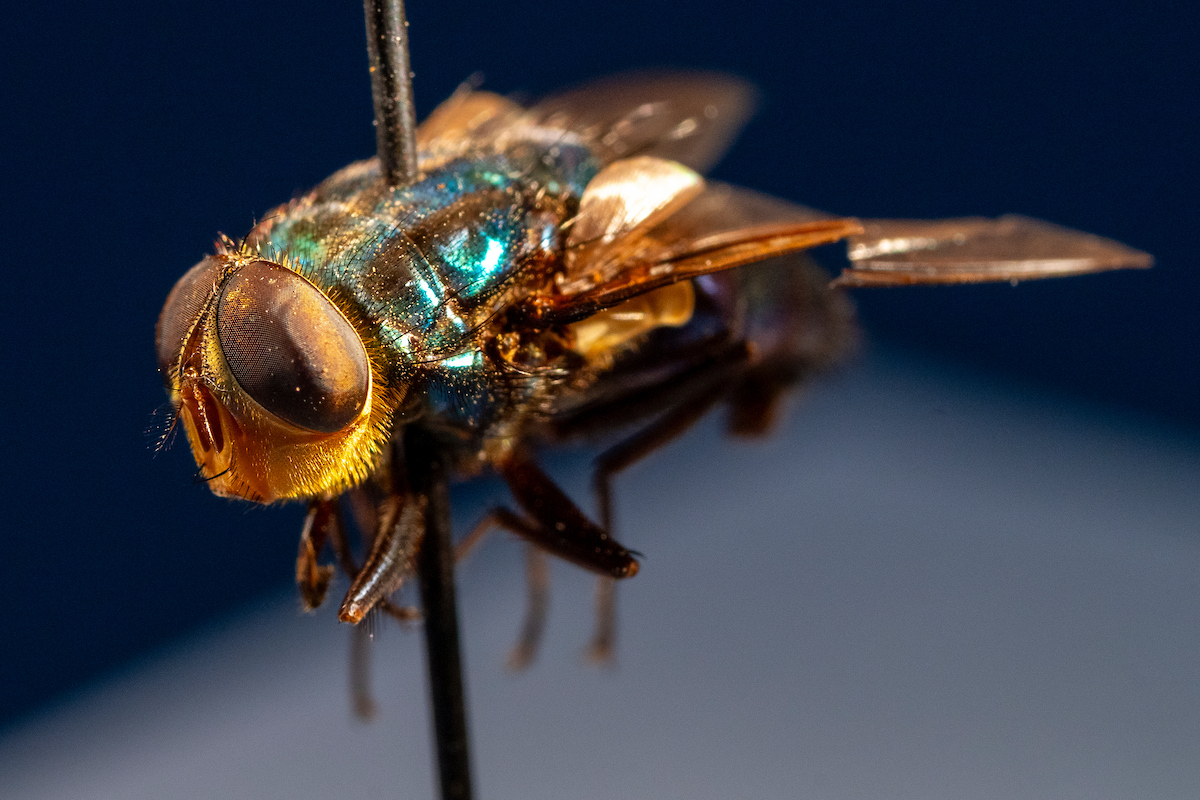
Texas A&M AgriLife experts released an updated fact sheet about the New World screwworm, an invasive insect that poses a threat to livestock and wildlife. With recent detections in Mexico, the Texas A&M AgriLife Extension Service, in collaboration with Texas A&M AgriLife Research, is proactively preparing for potential impacts on agriculture. Experts warn that if the pest reestablishes in the United States, it could lead to losses exceeding $1 billion in the cattle and wildlife industries.
In another significant development, the Texas A&M Veterinary Medical Diagnostic Laboratory has been closely monitoring highly pathogenic avian influenza (H5N1), which was first detected in dairy cattle in March 2024. Since then, the laboratory has conducted over 12,000 tests as part of its nationwide surveillance efforts, ensuring the protection of animal and human health while supporting federal initiatives.
Leadership and Educational Innovations
In a historic appointment, Brooke Rollins, a graduate of the Texas A&M College of Agriculture and Life Sciences, became the first Texan and the first Aggie to serve as the U.S. Secretary of Agriculture in 2025. Rollins, who made history as the university’s first female student body president, is committed to advancing agricultural policies that benefit both farmers and consumers.
Texas A&M AgriLife is also focused on preparing the next generation of agricultural educators. The Department of Agricultural Leadership, Education, and Communication is equipping students with hands-on teaching experiences. Graduate student Carter Burgin emphasizes the importance of mentorship in inspiring future agriculture teachers and demonstrating the crucial role agriculture plays in everyday life.
Innovations in research are driving the future of agriculture. The Texas A&M AgriLife Institute for Advancing Health Through Agriculture, led by Marco Palma, Ph.D., is merging agricultural science with technology and human behavior. This initiative aims to build a consumer-driven food system that aligns production with nutrition and market demands, enhancing health and sustainability across the supply chain.
Advancements in Agricultural Technology
Precision agriculture is entering a new era with the introduction of digital-twin technology. At the Texas A&M AgriLife Research and Extension Center in Corpus Christi, researchers are leveraging remote sensing, big data, and artificial intelligence to enhance crop production. This innovative approach allows farmers to make data-driven decisions to maximize yields while pursuing sustainability goals.
Another initiative involves studying the migration patterns of monarch butterflies across Texas. Researchers from the Department of Entomology are collaborating with the Texas Department of Transportation and the Texas A&M Transportation Institute to understand how geography and habitat impact this migration. Their findings are guiding conservation strategies aimed at protecting monarch populations, which have declined by over 80% since 1990.
Community Support and Infrastructure Development
Addressing mental health in the agricultural community, the FarmHope initiative offers free, confidential counseling and stress management support to Texas farmers and ranchers. This partnership between AgriLife Extension and the Texas A&M Health Telehealth Institute aims to reduce stigma and improve access to mental health care while providing education on farm succession planning.
In a notable expansion of educational resources, Texas A&M has broken ground on the Aplin Center, a three-story facility funded by a $60 million donation from Buc-ee’s founder Arch “Beaver” Aplin III. This new center will enhance hospitality, retail, and marketing education, featuring immersive learning labs for the College of Agriculture and Life Sciences and Mays Business School.
Research and innovation at Texas A&M AgriLife continue to reflect the organization’s commitment to its land-grant mission. Through collaboration and community engagement, Texas A&M AgriLife remains dedicated to addressing the evolving challenges in agriculture and life sciences, fostering resilience and sustainability for the future.