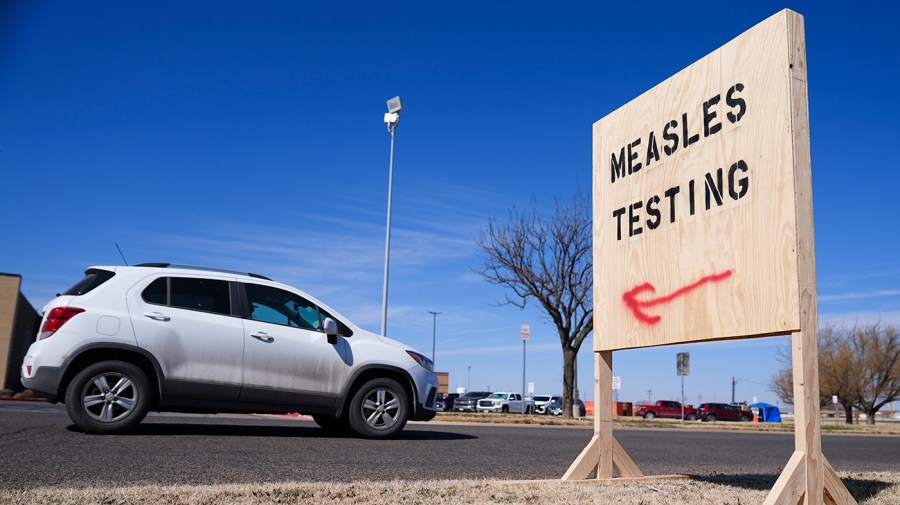
The United States has officially marked one year of measles outbreaks, a critical juncture that threatens its longstanding elimination status. On Tuesday, the Centers for Disease Control and Prevention (CDC) reported that the country is at risk of losing this status for the first time in over 25 years, largely due to a decline in vaccination rates and a shift in public health priorities.
In a statement reflecting on the current situation, Dr. Anne Schuchat, the CDC’s principal deputy director, noted that the ongoing outbreaks represent a challenge in the fight against infectious diseases. She described the current state as “the cost of doing business” in a climate where vaccination efforts have been deprioritized.
Measles Outbreaks and Public Health Implications
The U.S. achieved measles elimination status in 2000, which meant that the disease was no longer endemic in the country. However, a resurgence of measles cases has raised alarms among health officials. According to data from the CDC, there have been numerous outbreaks across various states, primarily fueled by communities with low vaccination coverage.
The Pan American Health Organization (PAHO), the regional office for the Americas of the World Health Organization (WHO), has highlighted January 20, 2025, as a crucial date. This date is significant as it marks the potential formal loss of the U.S. elimination status if vaccination rates do not improve.
The rising number of measles cases poses not only a health risk but also a financial burden on the healthcare system. Addressing the outbreaks requires substantial resources for medical treatment, public health campaigns, and vaccination drives.
Challenges in Vaccination Efforts
The decline in vaccination rates has been attributed to various factors, including misinformation about vaccine safety, personal beliefs, and lack of access to healthcare in some communities. The CDC has emphasized the importance of maintaining high vaccination coverage to prevent further outbreaks and protect public health.
Dr. Schuchat’s remarks underline a growing concern within the CDC regarding the impact of political and social factors on public health initiatives. The previous administration’s shift in focus has led to decreased funding and prioritization of infectious disease preparedness, which may have contributed to the current situation.
As the U.S. navigates these challenges, health officials urge communities to engage in proactive measures. Vaccination remains the most effective method to control measles and other preventable diseases. Public awareness campaigns and increased access to vaccines are critical components in reversing the trend of declining vaccination rates.
The situation serves as a reminder of the importance of robust public health policies and the need for continued vigilance in the fight against infectious diseases. Without renewed commitment and concerted efforts, the U.S. risks losing ground in its battle against measles, a disease once considered eliminated within its borders.