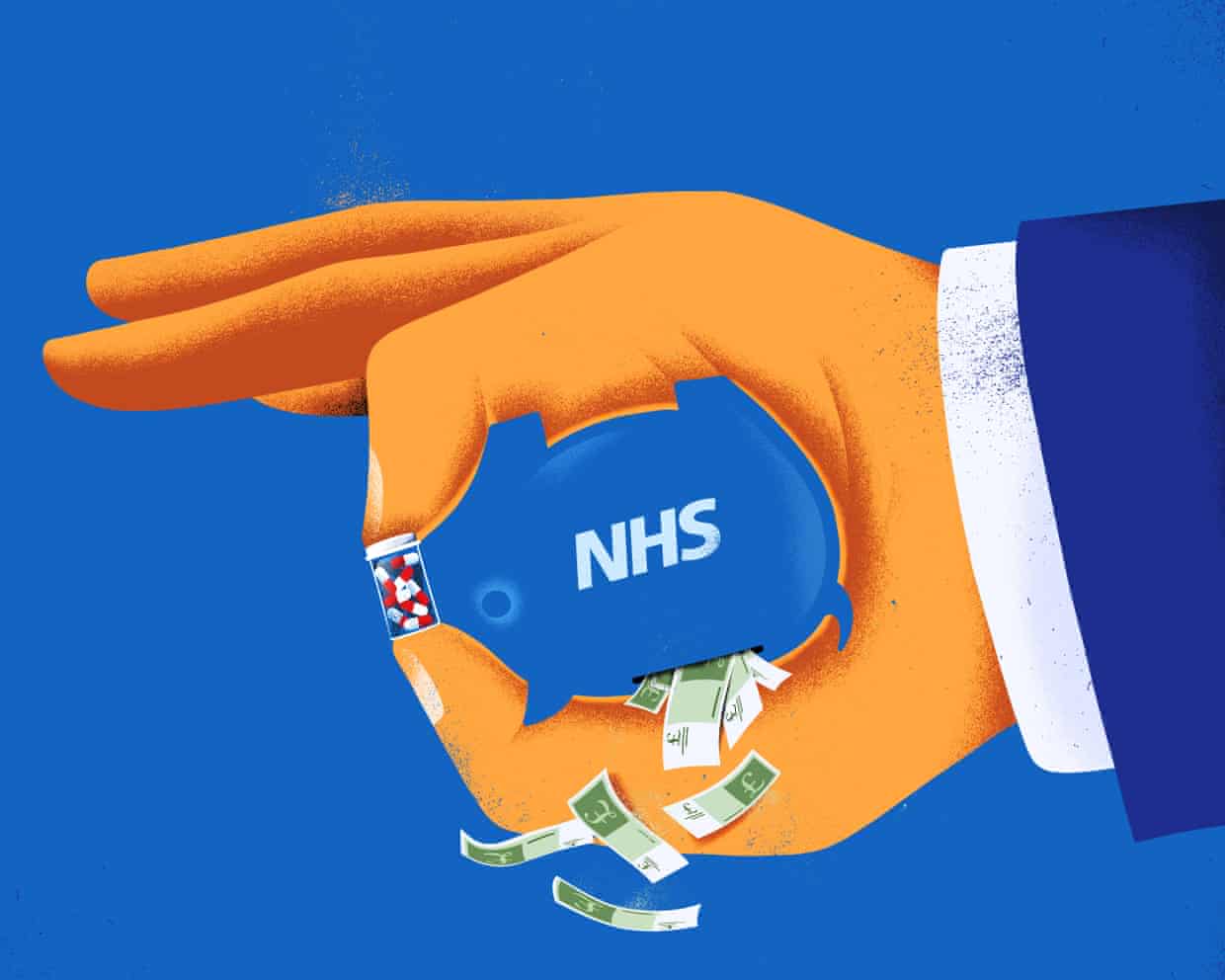
The recent agreement between the UK government, led by Keir Starmer, and the administration of former President Donald Trump has raised significant concerns regarding its implications for the National Health Service (NHS) and British patients. This deal, touted as a “world-beating” achievement by officials, particularly Patrick Vallance, the UK’s science minister, could potentially cost the NHS an additional £3 billion annually, raising fears about its long-term impact on patient care.
The deal has been framed by the UK government as a pathway for the country to become a global hub for life sciences, with Peter Kyle, the business secretary, claiming that “tens of thousands of NHS patients will benefit.” However, reactions from the United States suggest a different narrative. Howard Luttnick, the US trade secretary, described the agreement as a “major win for American workers,” emphasizing its benefits for the American pharmaceutical industry.
The divergence in perspectives highlights the complexity of the deal. Critics argue that the UK has agreed to pay more for medicines, a claim supported by a headline from the New York Times stating, “To avoid tariffs, UK agrees to Trump’s demand to pay more for drugs.” This assertion raises alarm bells for many who fear that this arrangement could lead to detrimental consequences for the NHS and its patients.
Independent analyses suggest that the agreement might lead to increased healthcare costs without additional benefits. The Office for Budget Responsibility (OBR) has estimated that the NHS may soon incur an extra £3 billion in costs for medicines, with no corresponding increase in service quality. Although Wes Streeting, the UK health secretary, has disputed these projections, the lack of transparency in how these figures were calculated has exacerbated concerns.
Experts like Karl Claxton, a professor at the University of York specializing in the economics of NHS medicines, anticipate that this deal could lead to significant losses in patient lives. Claxton’s modelling indicates that the agreement could result in an additional 15,971 deaths annually. Even if Streeting’s figures are accepted, the potential increase in deaths remains troubling, with estimates suggesting a lower but still significant 6,192 additional fatalities.
The agreement has been met with limited media coverage compared to other pressing healthcare issues, such as the ongoing pay dispute among resident doctors. Research from the Guardian indicates that while there have been 76 articles on the doctors’ situation, only 13 pieces have addressed this monumental deal, which has far-reaching implications for the healthcare system.
The backdrop to this agreement includes a series of troubling developments in the pharmaceutical sector, particularly regarding the pricing of medicines in the UK. The NHS has long been recognized for its ability to negotiate lower drug prices, which are often significantly cheaper than those in the US. This has resulted in a strained relationship with pharmaceutical companies, which view the UK’s pricing strategies as a threat to their profitability.
Recent actions by major pharmaceutical companies underscore the tensions surrounding this deal. In mid-September 2023, Merck announced it would halt the construction of a new research center in London, while AstraZeneca paused a project intended to create 1,000 jobs in Cambridge. These moves have raised concerns about potential collusion among pharmaceutical firms to exert pressure on the UK government regarding drug pricing.
The implications of this deal extend beyond financial considerations. Critics, including health policy experts, argue that it represents a shift in the fundamental purpose of the NHS, which has historically prioritized patient care over profit. The deal has been described as part of a “Ponzi scheme” that prioritizes the interests of multinational corporations at the expense of public health.
As the UK government heralds this agreement as a significant achievement, questions loom about its true cost to the NHS and British citizens. The long-term effects on healthcare access and quality remain uncertain, and many fear that the deal could undermine the very foundation of the NHS, which has been a cornerstone of British society since its inception.
In summary, while the UK government presents the medicines deal with the US as a triumph, scrutiny from various experts suggests that it may come at a considerable cost. The financial implications for the NHS and the potential loss of lives raise critical concerns about the direction of healthcare policy in the UK and the prioritization of corporate interests over public health.