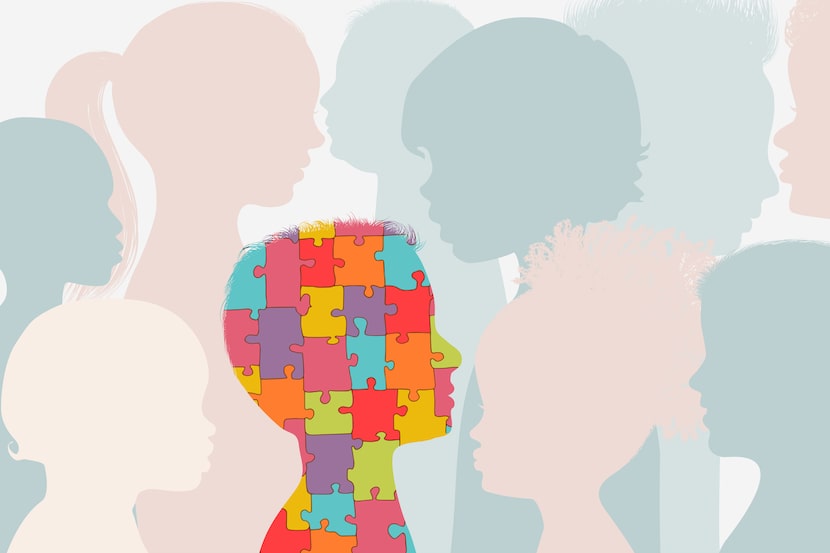
The growing recognition and understanding of Autism Spectrum Disorder (ASD) highlight its complexities and the unique contributions of individuals on the spectrum. According to the latest data from the Centers for Disease Control and Prevention (CDC), approximately 1 in 31 children in the United States are affected by ASD. This statistic underscores the importance of viewing autism not as a deficit, but as a different way of perceiving the world.
A significant aspect of ASD is the wide range of abilities within the spectrum. Research indicates that between 30% and 50% of individuals with autism exhibit average or above-average high-functioning capabilities. Many manage daily tasks independently, often cultivating unique talents that can enrich their communities. The prevalent misconception often lies in viewing these individuals through a lens that emphasizes disorder rather than diversity.
Shifting Perspectives on Autism
Personal encounters with individuals on the higher-functioning end of the spectrum often reshape perceptions. For example, author and autism advocate Temple Grandin, a professor at Colorado State University, has transformed her challenges into strengths. Grandin emphasizes that the traits associated with ASD can lead to remarkable insights, particularly in understanding animal behavior. Her experiences illustrate that autism enables a unique perspective rather than an inherent limitation.
Additionally, historical figures such as Opal Whiteley, a child author from the early 20th century, reveal the depth and richness of the autistic experience. Whiteley’s journals reflect a vivid connection to nature and a profound emotional awareness, despite societal misunderstandings. Her work serves as a testament to the creative potential residing within those on the spectrum, often overlooked by a conventional viewpoint.
In a creative writing course at Dallas Theological Seminary, the discussion of individuals like Grandin and Whiteley emphasizes the importance of recognizing the diverse talents that those with ASD can offer. They act as translators between their unique perceptions and the conventional world, enriching our understanding of human experience.
A Personal Journey of Understanding
The perspective on autism shifts dramatically with personal experience. The birth of my grandson, Evan, who has ASD, has profoundly impacted my understanding. Despite our age difference—he is only 12 years old—I find myself learning from him. Evan offers a fresh lens through which to explore the world, revealing new mysteries and beauty that I might otherwise overlook.
As I engage with Evan, I recognize that autism is not a barrier; it serves as a conduit for insight and understanding. The experiences of individuals like Grandin, Whiteley, and Evan highlight the necessity of listening to those who navigate this in-between space. By doing so, we gain more than just an intellectual grasp of autism; we cultivate an experiential understanding of diverse human perceptions.
This journey illustrates that when differences are allowed to express themselves, they enrich our collective understanding of the world. Embracing the unique perspectives offered by those with ASD can lead to a broader, more inclusive view of human experience—one that acknowledges the beauty in diversity and the potential for growth through understanding.
Reg Grant, a retired professor and author of “A Window Between: A Year in the Life of Opal Whiteley, Age 6,” encapsulates this sentiment by highlighting the significance of recognizing autism as a different way of being rather than a lesser status. The ongoing conversation about autism and its implications continues to evolve, encouraging a more nuanced appreciation for the strengths that lie within diversity.