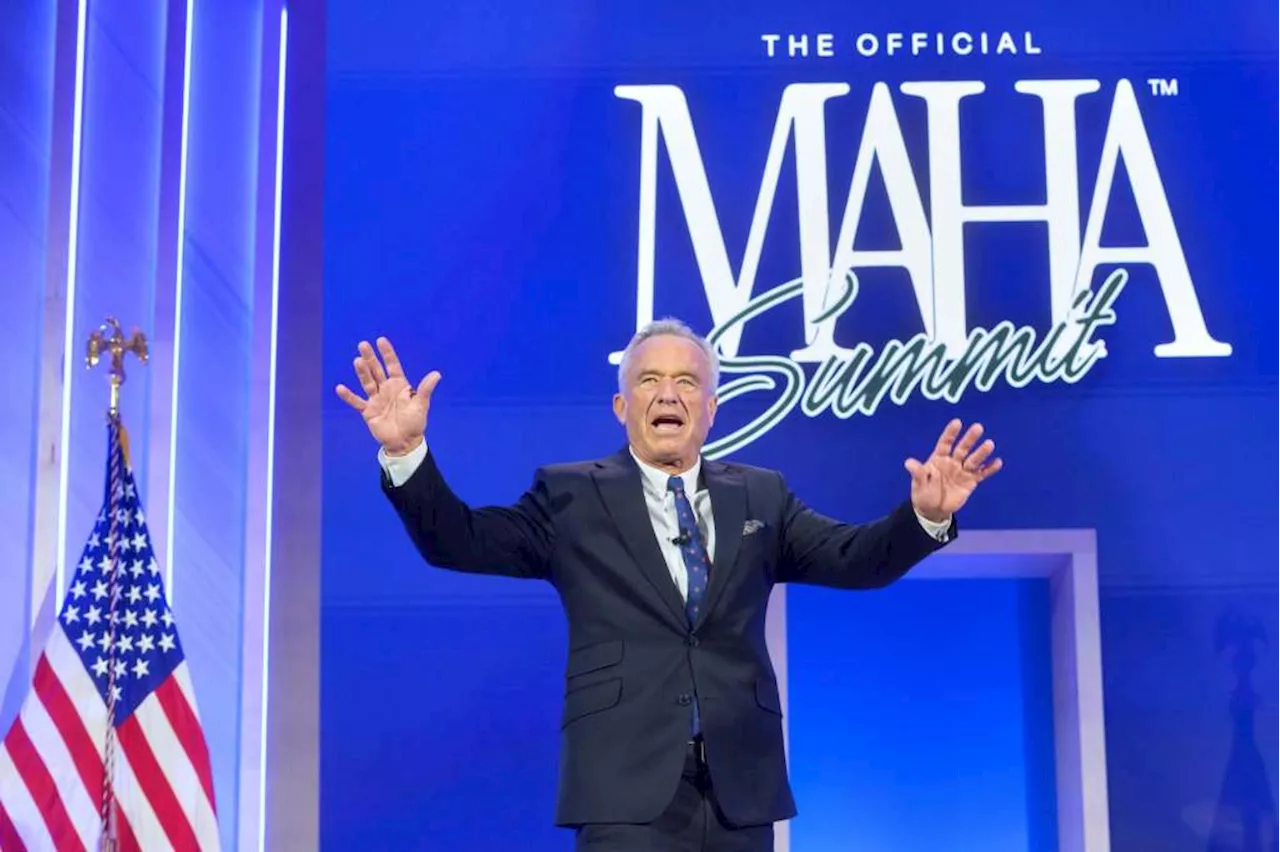
The United States government has announced a significant reduction in its recommended childhood vaccination schedule, sparking intense debate among medical professionals and public health advocates. The change, led by the Department of Health and Human Services (HHS) under Secretary Robert F. Kennedy Jr., will now see the Centers for Disease Control and Prevention (CDC) recommend vaccines against 11 diseases, down from 15 in the previous schedule. This modification, effective immediately, reduces broad recommendations for several vaccines, including those for rotavirus, hepatitis A, hepatitis B, and certain strains of meningitis.
This overhaul marks a pivotal shift in the approach to childhood preventative healthcare, raising concerns about potential public health implications. The changes have been framed by HHS officials as a necessary adjustment to align the United States with the vaccination practices of other developed nations, aiming to foster greater public trust in health recommendations.
Details of the Revised Schedule
The new guidelines stipulate that vaccines previously recommended for all children will now be advised only for specific high-risk groups or based on individual assessments by healthcare providers. This shared decision-making model will apply to vaccines that were once universally recommended, including those for Respiratory Syncytial Virus (RSV).
Despite the reduction, the vaccines that remain on the recommended list include those for measles, whooping cough (pertussis), polio, tetanus, chickenpox (varicella), and the human papillomavirus (HPV). Notably, the recommended number of doses for the HPV vaccine has also been lowered from two or three to a single shot for most children, depending on their age.
HHS officials defend this decision by highlighting that the U.S. was an outlier compared to peer nations regarding vaccination numbers and doses. They contend that streamlining the recommendations could ultimately enhance public confidence in vaccination efforts. Secretary Kennedy stated that the changes “protect children, respect families, and rebuild trust in public health.”
Concerns from Medical Experts
The revisions have been met with considerable backlash from the healthcare community. The American Academy of Pediatrics has expressed profound concerns about the potential negative impacts of such a policy shift. Dr. Sean O’Leary, a representative of the Academy, emphasized that the new guidelines overlook critical evidence-based medical practices. He pointed out that vaccine recommendations are typically influenced by disease prevalence within populations and the capabilities of healthcare systems.
The decision to modify the vaccination schedule has raised alarms among experts like Michael Osterholm of the Vaccine Integrity Project at the University of Minnesota. Osterholm warns that the removal of broad recommendations for vaccines against influenza, hepatitis, and rotavirus may lead to increased hospitalizations and preventable deaths among children. He stressed that alterations made without a transparent evaluation of risks and benefits undermine public health efforts.
The controversy is further compounded by reports that the decision was made without input from the advisory committee that usually guides vaccination policies. Critics argue that this lack of consultation raises questions about the validity and safety of the new recommendations.
As the debate continues, many are left to grapple with the implications of this significant policy change. The intersection of public health, political motivations, and the evolving landscape of vaccine science underscores the high stakes involved in determining the preventative care landscape for children in the United States.