A new pilot program at Eskaton Village in Carmichael, California, is using a 15-minute virtual reality (VR) eye test to potentially identify vision changes related to brain health. Residents like Bonnie Dale are experiencing this innovative approach, which combines cutting-edge technology with essential health screenings.
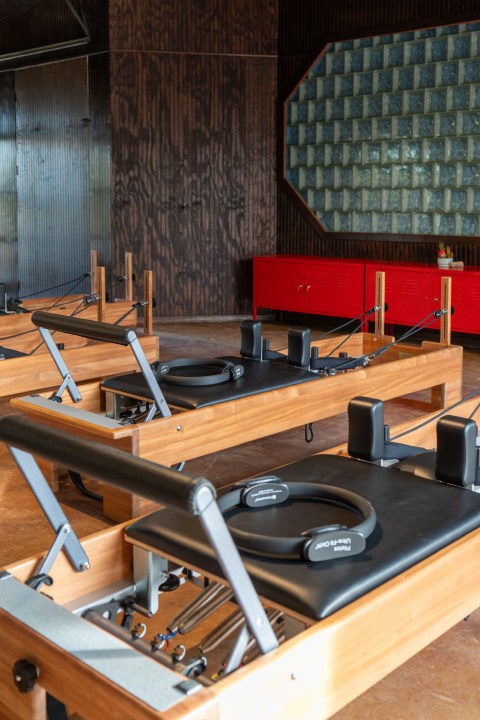
In a recreation room adorned with colorful exercise equipment, Dale dons a VR headset under the guidance of a trained operator. The VR platform, designed by Yin Allison Liu, a neuro-ophthalmologist at the UC Davis Eye Center, conducts a comprehensive eye exam. This includes testing visual acuity, color perception, and pupil response to light. The results are quickly relayed to her ophthalmologist, streamlining the process for aging individuals who may struggle to visit the clinic.
According to Liu, recent research indicates that visual processing changes can occur up to 12 years prior to a formal diagnosis of conditions like Alzheimer’s disease. “Most people don’t realize this, but the eye is part of the central nervous system,” she said. “We can see vision changes through different types of ophthalmic testing, which will reflect brain changes.”
Liu’s research aims to enhance early detection of neurological conditions through the use of the VR platform, called Olleyes. While the device does not diagnose diseases, it screens for visual conditions that may indicate cognitive dysfunction, providing valuable insights into overall brain health.
Innovative Technology in Eye Care
The VR device used at Eskaton is co-founded by Alberto Gonzalez-Garcia, who specializes in neuro-ophthalmology. His company, Olleyes, aims to make eye care more accessible and efficient through artificial intelligence and virtual reality. Gonzalez-Garcia’s background includes training in Cuba and a fellowship at UC San Diego, where he focused on glaucoma.
Studies conducted with the Olleyes platform have explored its applications in emergency departments and pediatric clinics, transforming eye exams into engaging experiences. Liu is among the first researchers applying this technology to detect potential neurological issues.
The customized program for Liu’s pilot study allows for monitoring issues beyond vision, such as hearing problems or difficulty following instructions. These factors can be linked to cognitive changes, offering a broader perspective on a resident’s health.
Gonzalez-Garcia envisions integrating cognitive testing into the VR platform in the future. Traditional cognitive assessments often require paper and pencil, but he believes a virtual format could enhance the evaluation experience. “Instructions would be delivered in a standardized way by an AI virtual assistant,” he explained, ensuring consistency across evaluations.
Addressing the Growing Need for Early Detection
The demand for Alzheimer’s testing is anticipated to surge, with an estimated 6.7 million older adults currently diagnosed in the United States. Projections suggest that this number could nearly double to 14 million by 2060. Liu’s pilot program aims to provide scalable solutions for early detection of cognitive diseases, especially in senior communities where residents may face challenges attending traditional eye exams.
“Early diagnosis or early detection will give us the power to make lifestyle modifications or open the doors to clinical trials or new treatments,” Liu stated. Her goal is to ensure early detection of eye and brain conditions becomes accessible to all, enabling timely interventions before significant health issues arise.
As the pilot program continues to evolve, the potential impact on both vision and cognitive health could redefine how communities approach elder care and preventative health measures. The combination of innovative technology and personalized care may pave the way for a healthier future for aging populations.