Modern smartwatches have evolved into essential devices that extend far beyond mere accessories. With features like voice assistants, crash detection, and robust health tracking capabilities, these gadgets are increasingly integral to daily life. In March 2026, ZDNET outlined its thorough testing methodology for evaluating smartwatches, providing insights into how these devices perform in real-world conditions.
Evaluating Smartwatches at ZDNET
ZDNET typically acquires smartwatches after their public release, allowing for a comprehensive review process without the pressure of immediate publication. Each device undergoes extensive testing over a period of at least two weeks. This timeframe is crucial for assessing battery life, health monitoring accuracy, GPS functionality, and the durability of various design features. The team maintains relationships with most smartwatch manufacturers, enabling them to seek clarifications about hardware and software during their evaluations.
Testing also encompasses third-party applications, though the wide array of options available means user experiences may differ. Performance can vary based on individual factors such as wrist size, the fit of the watch band, and the smartphone with which the watch connects. ZDNET reports its findings based on testing conducted with larger wrists and common smartphone models.
While price and battery life are considered in recommendations, they are not the primary factors, as many smartwatches offer only one to two days of usage between charges. Fitness-oriented models tend to last longer, sometimes measuring battery life in days or weeks. Most smartwatches fall within the price range of $300 to $500, making cost a less significant consideration.
Key Testing Criteria for Smartwatch Recommendations
ZDNET’s recommendations hinge on five critical evaluation factors: core functionality, build quality, health and wellness features, application compatibility, and advanced functionalities. Each factor plays a vital role in determining a smartwatch’s overall usability and effectiveness.
Core functionality is paramount. A smartwatch must provide reliable performance, displaying time and notifications without delay. Modern devices offer customizable watch faces that can reflect personal style while also providing glanceable information. Advanced features enhance user interaction, allowing for quick responses to notifications without needing to access the connected smartphone directly.
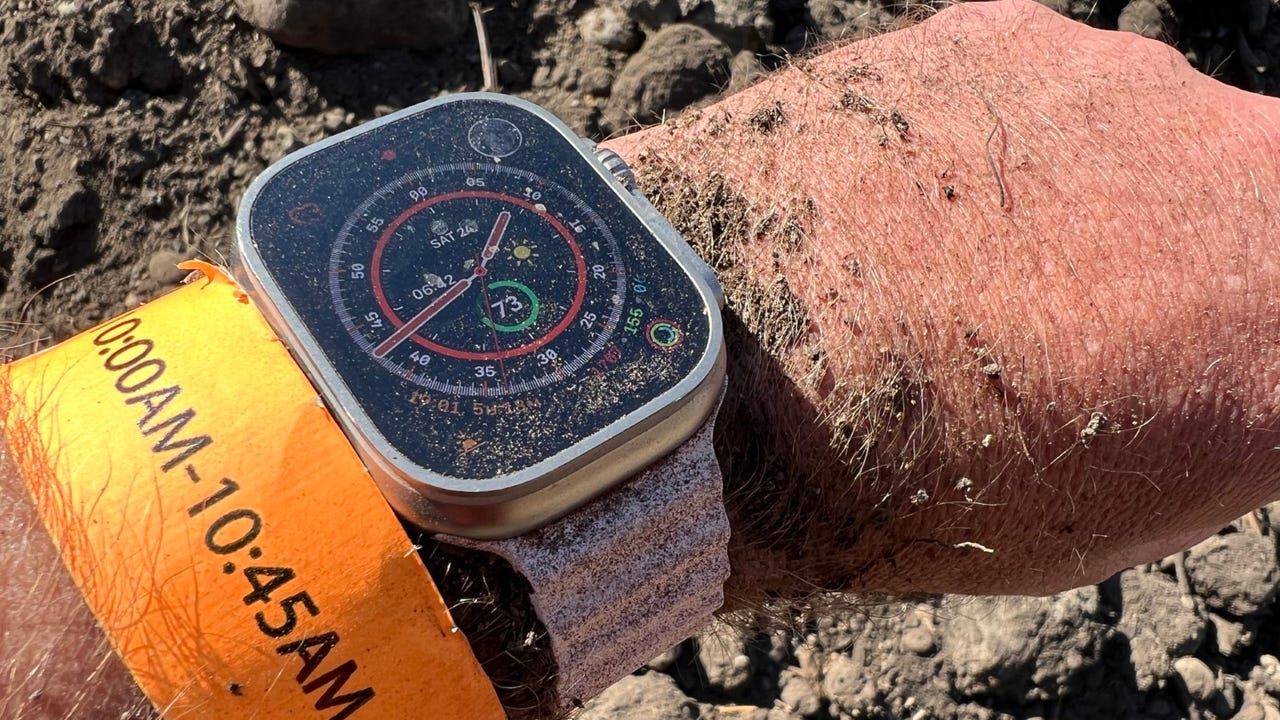
Build quality and durability are equally important. Today’s smartwatches typically include water resistance, making them suitable for various conditions. The materials used—such as polymer fiber, aluminum, titanium, and stainless steel—are designed to withstand wear and tear. ZDNET documents any signs of physical damage during testing, evaluating how well the watches perform in adverse conditions.
Health and wellness tracking capabilities represent a significant advancement in smartwatch technology. As dedicated health devices integrate more smartphone functionalities, smartwatches have become essential tools for health management. Companies like Apple and Google continue to enhance their health features, with initiatives such as Apple’s upcoming watchOS 11 and Google’s AI-powered Fitbit Premium service.
Applications play a pivotal role in the smartwatch experience. Early models had limited app support, but major players like Apple, Google, and Samsung now provide a vast array of compatible applications. ZDNET conducts tests on a core set of applications, assessing their performance across various smartwatches to determine which devices offer the best user experience.
Lastly, advanced features often distinguish one smartwatch from another. Recent developments include satellite connectivity for emergency services and unique functions like LED flashlights. ZDNET highlights these innovations, exploring how they enhance the user experience and set certain models apart from the competition.
ZDNET’s testing process for smartwatches is comprehensive and tailored to reflect the needs of everyday users. By focusing on performance, durability, health tracking, applications, and advanced features, the team provides valuable insights that help consumers make informed decisions in a market saturated with options. As technology continues to evolve, ZDNET remains committed to uncovering the latest developments in the smartwatch landscape.