As Valentine’s Day approaches on February 14, a growing number of florists in Brooklyn are shifting away from the traditional rose in favor of locally sourced, seasonal flowers. This change aims to reduce the environmental impact associated with the floral industry while supporting local agriculture. The effort comes in response to the high carbon footprint linked to the mass importation of roses, primarily from Colombia, where they are produced cheaply but require extensive transportation.
According to Suzanna Cameron, founder of Stems Brooklyn in Bushwick, the journey of each flower significantly influences her sourcing decisions. “I think about the people that were growing them, who cut these flowers, who packed them, who put them in the truck, who put them in the airplane,” she stated, emphasizing the importance of considering the entire supply chain. Most roses in the United States are shipped via refrigerated cargo planes, contributing to greenhouse gas emissions.
John Dole, a horticultural science professor at North Carolina State University, explains that the lower production costs in South America stem from large-scale operations and favorable climates. “Valentine’s Day is in February, which favors the lower cost imported flowers, especially the long-stemmed roses we all love so much,” he noted. The demand for these imported flowers is surging, with agricultural specialists at Miami International Airport predicting over 1.3 billion stem inspections this year, surpassing last year’s record.
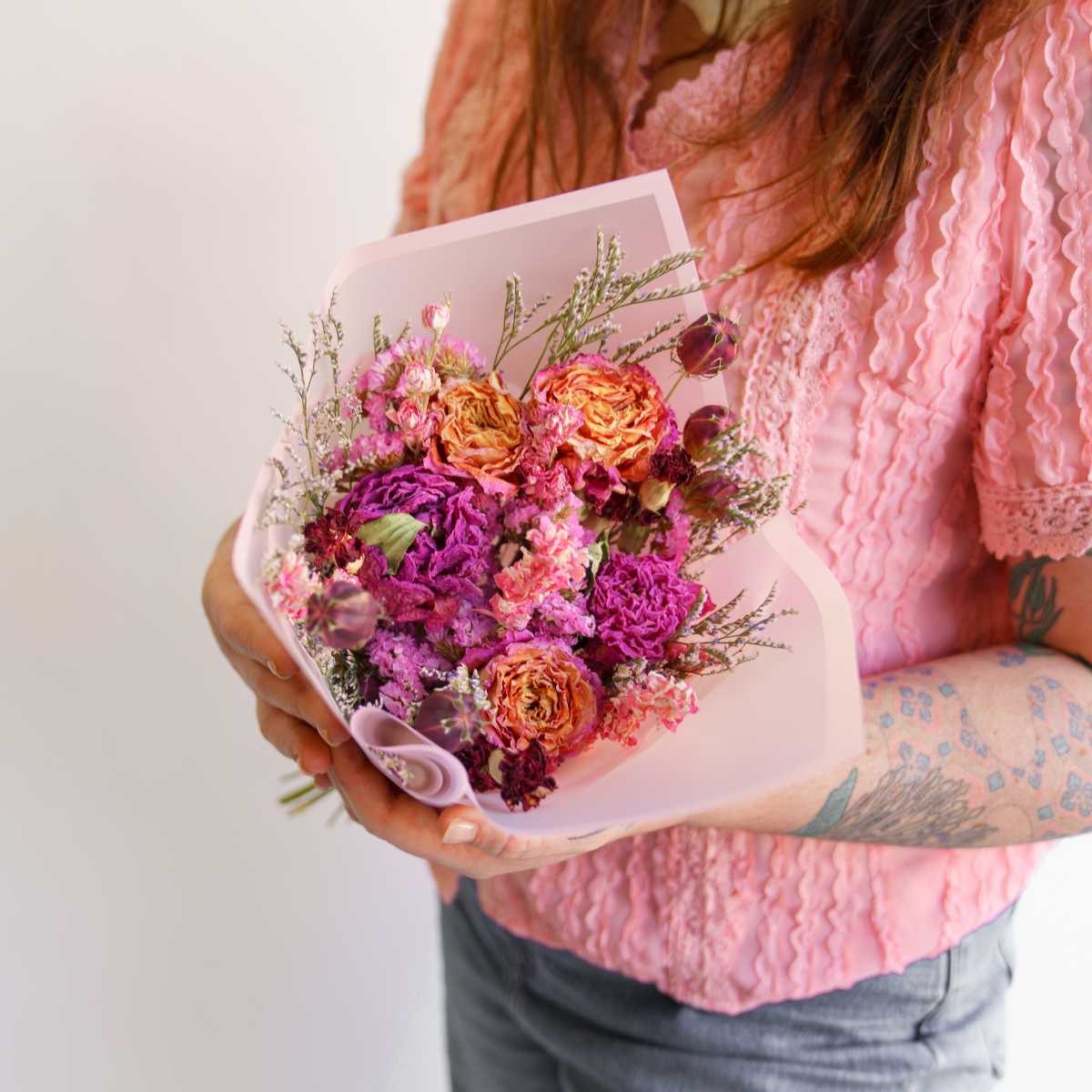
In contrast, florists like Cameron are promoting alternatives, such as tulips, through initiatives like the “Kiss My Tulips” campaign. By sourcing these seasonal blooms from local farms, she aims to significantly reduce her shop’s carbon footprint while offering customers a unique and meaningful gift option.
Julia D’Angelo, owner of Fern Botanic in Astoria, Queens, also emphasizes sustainability in her approach. She composts all floral waste and avoids the use of floral foam, a plastic material that contributes to landfill waste and environmental pollution. “The single-use material will be in a landfill forever,” she asserts, highlighting a commitment to foam-free arrangements. D’Angelo has found that this sustainable practice has not limited her design capabilities, stating, “I don’t feel that we are hindered in our design capabilities at all.”
The environmental concerns surrounding floral foam are backed by research, including a 2020 study that found its toxic compounds entering aquatic ecosystems. Despite these challenges, florists are finding ways to create stunning arrangements without compromising their values. For instance, Molly Culver, owner of Molly Oliver Flowers in Sunset Park, uses seasonal flowers like tulips, ranunculus, and anemones, which are currently thriving in the Greater New York area.
Culver has a background in soil science and organic farming from the University of California, Santa Cruz. She shares her enthusiasm for seasonal flowers and the importance of understanding natural growing cycles. “If we’re going to heal the Earth and work in concert with it, then seasonality is a really big part of it,” she explained. This perspective is crucial as customers become more aware of the environmental impact of their purchases.
Dole offers reassurance for consumers seeking locally sourced options, noting that several beautiful flowers can be grown in cool greenhouses or high tunnels during winter months. “There are gorgeous anemones, ranunculus, tulips, sweet peas, stock, and more,” he said, encouraging people to explore local florists for their Valentine’s Day arrangements.
By focusing on seasonal, locally sourced flowers, these Brooklyn florists are not only redefining the traditional Valentine’s Day gift but also fostering a greater connection between consumers and the earth. Cameron encapsulates this sentiment, stating, “It’s always just been about sharing love and connection with all kinds of people.” As the conversation around sustainability continues to grow, these florists are paving the way for a more environmentally conscious approach to floral gifting.