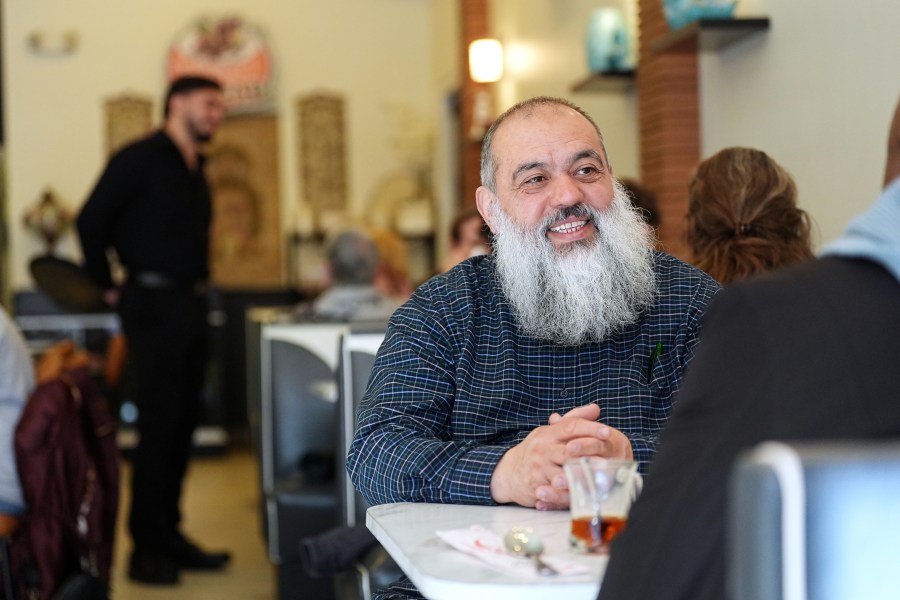
The detention of the owners of Jersey Kebab in Collingswood, New Jersey, has ignited a wave of community support and protest. In February 2023, federal officers detained the Turkish couple, citing immigration issues. Since then, the local community has rallied around the restaurant, using their love for its shawarma, falafel wraps, and baklava as a backdrop for their stand against the couple’s potential deportation.
Supporters have organized demonstrations outside Jersey Kebab, expressing their dissatisfaction with the situation and demanding the couple’s release. Many patrons view the restaurant not just as a dining establishment but as a vital part of their community. The owners, whose names have not been disclosed for privacy reasons, have become symbols of resilience and unity among locals.
Community Response and Solidarity
The support for Jersey Kebab has transformed into a movement. Local residents, as well as customers from nearby areas, have voiced their concerns about the implications of the couple’s detention. Activists argue that the enforcement of immigration laws should not lead to the disruption of family and community ties.
Moreover, the restaurant has become a gathering place for discussions on immigration policies, with patrons sharing their personal stories and experiences related to similar issues. This has fostered a sense of solidarity, as many see the owners’ plight as reflective of broader challenges faced by immigrant families across the United States.
Local businesses have also joined the effort, with some offering to donate a portion of their sales to support legal fees for the couple. Such actions underline the collective commitment to the cause, demonstrating that the detention of the owners has resonated deeply within the Collingswood community.
Legal Challenges Ahead
The future remains uncertain for the couple as they navigate the legal system. While local support continues to grow, the looming threat of deportation still hangs over them. According to legal experts, the couple may have options to appeal their case, potentially allowing them to remain in the United States. However, the process can be lengthy and complex, often leading to heightened anxiety for those involved.
The situation at Jersey Kebab highlights significant questions about immigration policy and the human impact of enforcement actions. As community members continue to advocate for the couple, they emphasize the need for reform that prioritizes family unity and local contributions over punitive measures.
As the community remains engaged, the hope is that their collective voice will influence the outcome of the couple’s case. The outpouring of support serves as a testament to the power of grassroots activism and the vital role that immigrant-owned businesses play in enriching local cultures.