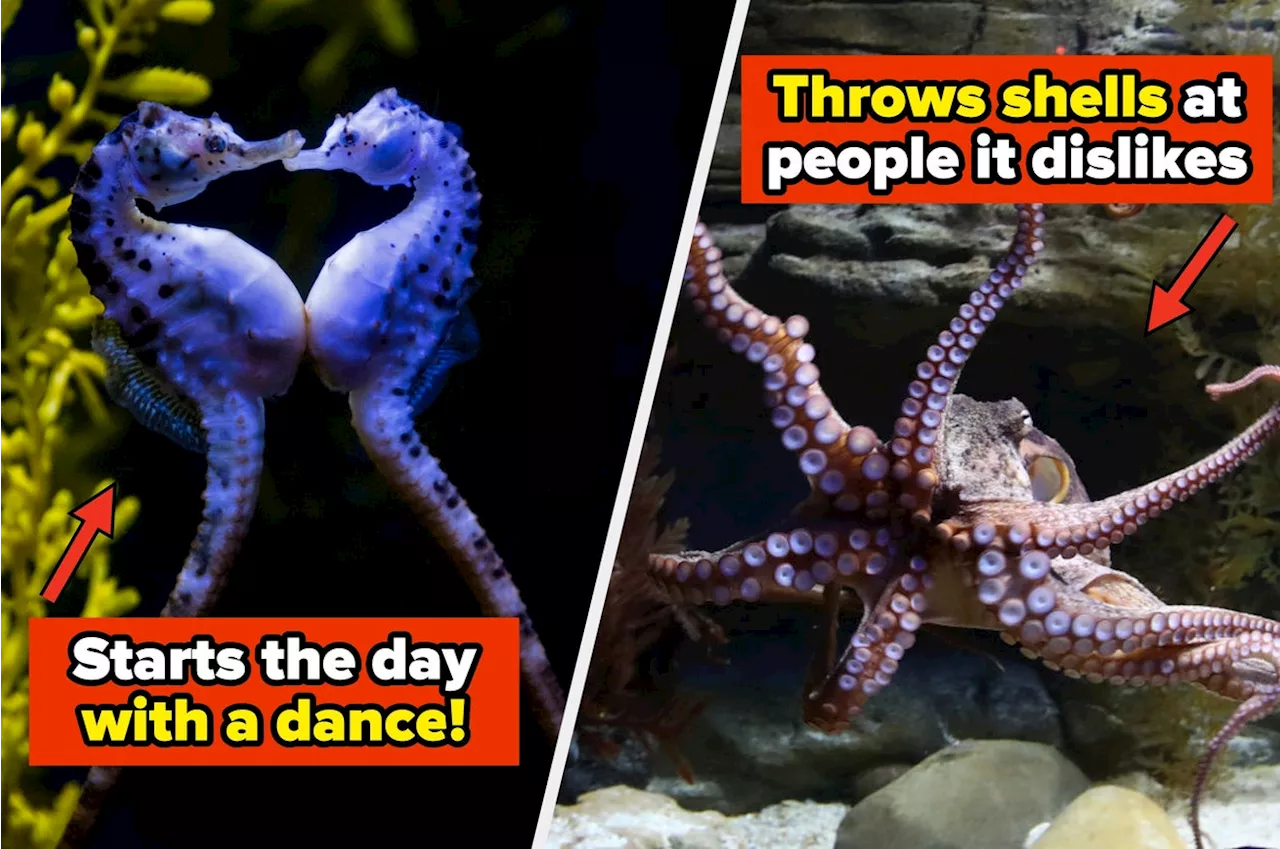
Animal behavior continues to captivate researchers and enthusiasts alike, showcasing remarkable intelligence and emotional depth across various species. Recent studies highlight 15 astonishing behaviors that not only challenge our understanding of animals but also inspire admiration for their capabilities.
The Smithsonian National Zoo has documented several fascinating behaviors. For instance, crows, known for their problem-solving skills, can use tools to extract food from hard-to-reach places. This behavior exemplifies their cognitive abilities, rivaling those of primates. Similarly, dolphins display intricate social structures and communication methods, utilizing a range of clicks and whistles to convey information, demonstrating a complex social framework.
Remarkable Adaptations in Nature
Elephants, celebrated for their memory and intelligence, exhibit behaviors that reflect deep emotional connections. They mourn their dead, often returning to the bones of lost companions, which reveals a profound understanding of loss. According to renowned primatologist Jane Goodall, these connections are not merely instinctual but suggest a level of empathy that is rare in the animal kingdom.
Furthermore, octopuses have gained attention for their extraordinary problem-solving skills. They can navigate mazes and escape from enclosures, demonstrating both intelligence and adaptability. Their ability to manipulate environments has intrigued scientists and animal lovers, prompting further research into cephalopod cognition.
Another notable behavior is exhibited by bees during the foraging process. They communicate the location of food sources through a complex “waggle dance,” a behavior that conveys distance and direction. This intricate form of communication showcases the sophisticated social structures within hives.
Emotional Intelligence in Animals
Research by National Geographic suggests that many species, including dogs and elephants, exhibit signs of emotional intelligence. Dogs, for example, can read human emotions and respond accordingly, displaying loyalty and affection that highlight their bond with humans. Similarly, elephants are known to engage in cooperative behaviors, such as helping injured members of their herd.
Furthermore, studies have revealed that certain species of fish, including wrasse, display cooperative cleaning behaviors. They work together to remove parasites from larger fish, establishing a mutualistic relationship that benefits both parties. This behavior underscores the interconnectedness found in nature.
In conclusion, these 15 remarkable animal behaviors underscore the incredible intelligence and emotional depth present in the animal kingdom. As research continues, our understanding of these behaviors will undoubtedly deepen, encouraging a greater appreciation for the complexities of animal life. The findings from these studies not only challenge our perceptions but also emphasize the need for conservation efforts to protect these remarkable creatures and their habitats.