Flowering shrubs not only enhance the beauty of gardens but also contribute to biodiversity and seasonal interest. These hardy plants provide color and texture, attracting pollinators while offering lasting visual appeal. This article highlights 20 flowering shrubs that can transform any outdoor space into a breathtaking landscape.
Essential Flowering Shrubs for Vibrant Gardens
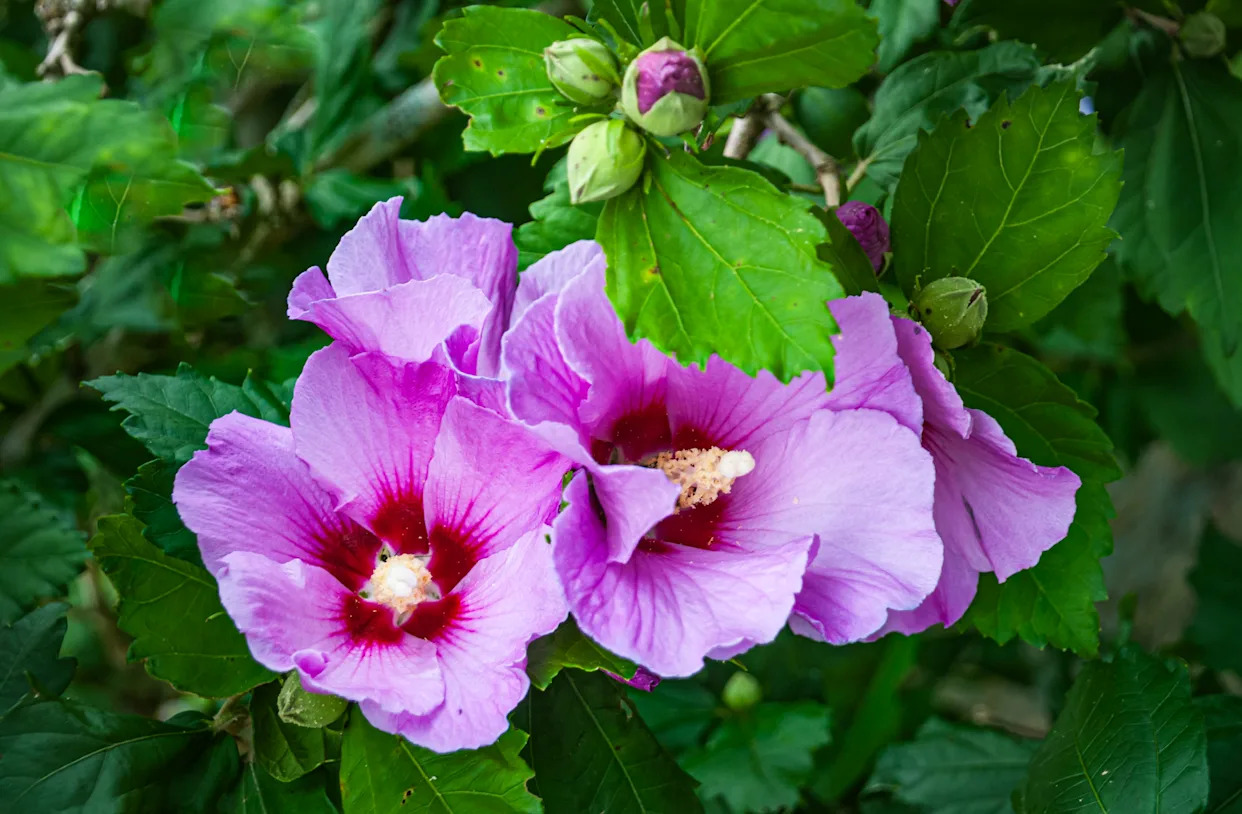
Among the most popular choices is the Rose of Sharon (Hibiscus syriacus), known for its stunning trumpet-shaped flowers that bloom in various shades including pink, purple, white, and blue. Growing up to 12 feet tall, this deciduous shrub thrives in diverse soil conditions and is drought-tolerant once established. Its lush foliage and vibrant blooms make it an ideal candidate for hedges or as a focal point in garden designs.
Equally appealing is Oleander (Nerium oleander), which is often chosen for its fragrant white, pink, or red flowers. This shrub can adapt to different climates, adding a delightful scent to any garden.
The Korean Spice Viburnum stands out for its striking appearance and powerful fragrance. Preferring partial to full sun exposure, it thrives in USDA zones 4 to 8, offering a sensory experience that enhances any garden.
Known for their large, eye-catching blooms, Hydrangeas are a summer favorite, flourishing in zones 5-9. These shrubs prefer part shade and moist, well-drained soil, producing flowers available in blue, pink, white, and purple hues. Regular watering is essential for their vibrant displays.
The Bush Monkey Flower is notable for its sticky, dark green leaves and can grow up to 5 feet tall. This shrub thrives in various soil types and prefers full sunlight, making it suitable for USDA zones 7-11. Regular deadheading encourages continuous blooming throughout the growing season.
Another versatile option is St. John’s Wort (Hypericum perforatum). This perennial shrub not only suppresses weeds by forming dense ground cover but also attracts a wide variety of insects, boosting garden biodiversity. Its adaptability allows it to grow in various soil types, and it is known for its medicinal properties.
The Lantana is a sun-loving perennial that attracts butterflies and hummingbirds with its clusters of brightly colored flowers. While it is treated as an annual in cooler climates, it thrives in zones 9-11, making it a lovely addition to warmer gardens.
Classic Shrubs to Enhance Any Landscape
The Butterfly Bush (Buddleja davidii) lives up to its name by attracting butterflies with its fragrant flowers that bloom from summer to fall. This shrub flourishes in full sun and well-drained soil, reaching heights of up to 10 feet in zones 5-9.
Known for its large, tropical-looking flowers, the Hibiscus brings a vibrant touch to summer gardens. It prefers full sun to partial shade and can grow to heights of 4-6 feet in USDA zones 9-12.
Another noteworthy shrub is Forsythia, which bursts into bright yellow blooms that herald the arrival of spring. This fast-growing plant thrives in various soil conditions and requires minimal maintenance, needing only a light pruning after its flowers fade.
The Shrub Rose blooms from late spring until the first hard freeze, offering a range of colors and fragrances. Hardy and disease-resistant, these roses thrive in full sun across zones 5-8, adding long-lasting color to any garden.
For spring blooms, Spiraea shrubs provide lively pink, white, or red flowers. Requiring full sun to part shade, regular pruning after flowering encourages more blooms and maintains their attractive shape.
Famed for their fragrant clusters of flowers, Lilacs thrive in full sun and well-drained soil. Annual pruning helps these shrubs flourish and bloom abundantly year after year.
Evergreens like Camellias offer glossy leaves and rose-like flowers during cooler months, making them a stunning choice for fall and winter colors. They prefer partial shade and acidic soil.
The Azalea is known for its vivid spring blooms. Some varieties keep foliage throughout the year, adding interest to both sunny and partially shaded spots. Slightly acidic, well-drained soil is ideal for these colorful shrubs.
Another adaptable option is Glossy Abelia, which attracts pollinators with blooms from late spring through fall. It thrives in full sun or part shade and is recognized for its durability.
Finally, the Bottlebrush shrub is unique for its red, brush-like flowers that attract hummingbirds. This shrub can thrive in full sun to part shade, reaching heights of up to 10 feet in warmer zones.
The Weigela (Weigela florida) features funnel-shaped flowers in shades of pink, red, or white that bloom in late spring. Preferring full sun, it rewards gardeners with a second bloom if pruned correctly after the first flowering.
As summer fades, Caryopteris (Bluebeard) begins its show with charming blue flowers that attract bees and butterflies. This versatile plant thrives in full sun and well-drained soil, making it a perfect choice for borders.
Lastly, the Flowering Quince (Chaenomeles speciosa) celebrates spring with vibrant blooms. Resilient and adaptable, these shrubs thrive in a range of conditions from zones 5-9, handling heat, drought, and various soil types with ease.
Incorporating these flowering shrubs into your garden can create a stunning visual display while supporting local ecosystems. With careful selection and proper care, these plants can enhance the beauty and biodiversity of outdoor spaces for years to come.