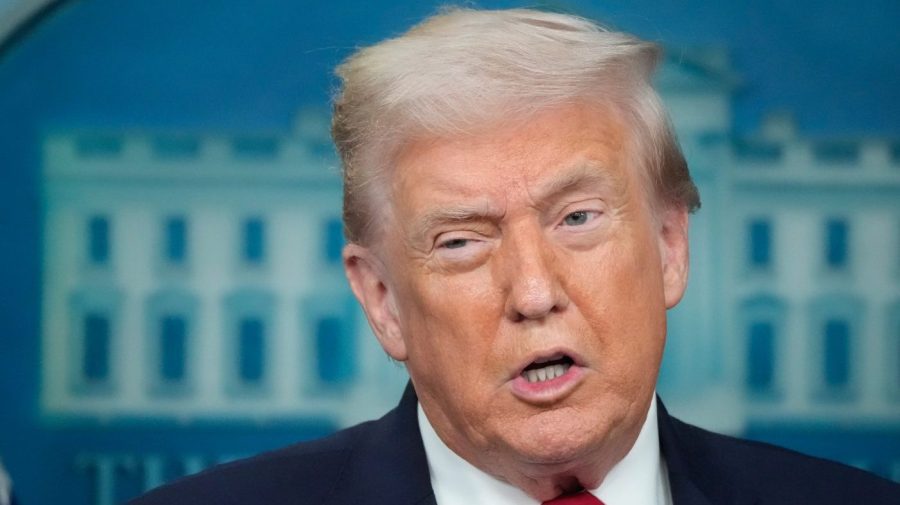
Former President Donald Trump has adopted a philosophy that resonates with a growing segment of the populace: the idea of “meeting the moment.” This approach highlights the importance of seizing opportunities as they arise, particularly in the fast-paced landscape of contemporary politics. As the political climate shifts, Trump’s supporters view this mindset as a decisive factor in maintaining relevance and influence.
Understanding ‘Meet the Moment’
The phrase “meet the moment” has gained traction in various circles, often associated with leaders who respond effectively to current events. Critics argue that the term is overused, becoming a cliché that fails to convey meaningful action. Despite this, many political figures, including Trump, have embraced it as a rallying cry.
In Trump’s case, this philosophy is reflected in his communication style and public appearances. He often emphasizes the need to respond to immediate challenges, whether they pertain to economic policies or international relations. His supporters appreciate this direct approach, believing it demonstrates a commitment to addressing pressing issues head-on.
The term has also found its way into everyday conversations, with individuals across various sectors attempting to apply it to their professional lives. For instance, an employee named Alyssa from accounting recently utilized the phrase in a company Slack message, claiming it encapsulated her proactive approach to a project. Critics argue that such casual usages dilute the term’s significance within the political context.
Political Impact and Future Implications
Trump’s approach has prompted a shift in how political leaders engage with their constituents. As the landscape evolves, those who can articulate a vision that resonates with the public are more likely to succeed. The “meet the moment” philosophy encourages leaders to be adaptable and responsive, qualities that are increasingly valued by voters.
Looking ahead, it remains to be seen how effective this strategy will be for Trump as he navigates his political future. His ability to connect with audiences and address their concerns may determine his influence in upcoming elections. Political analysts will be watching closely to see if this approach translates into tangible support at the polls.
In summary, Donald Trump’s embrace of the “meet the moment” philosophy reflects a broader trend in political communication. While the term may face criticism for its overuse, its application in Trump’s strategy underscores the importance of responsiveness in modern politics. As the political environment continues to change, the effectiveness of this approach will likely shape future electoral outcomes.