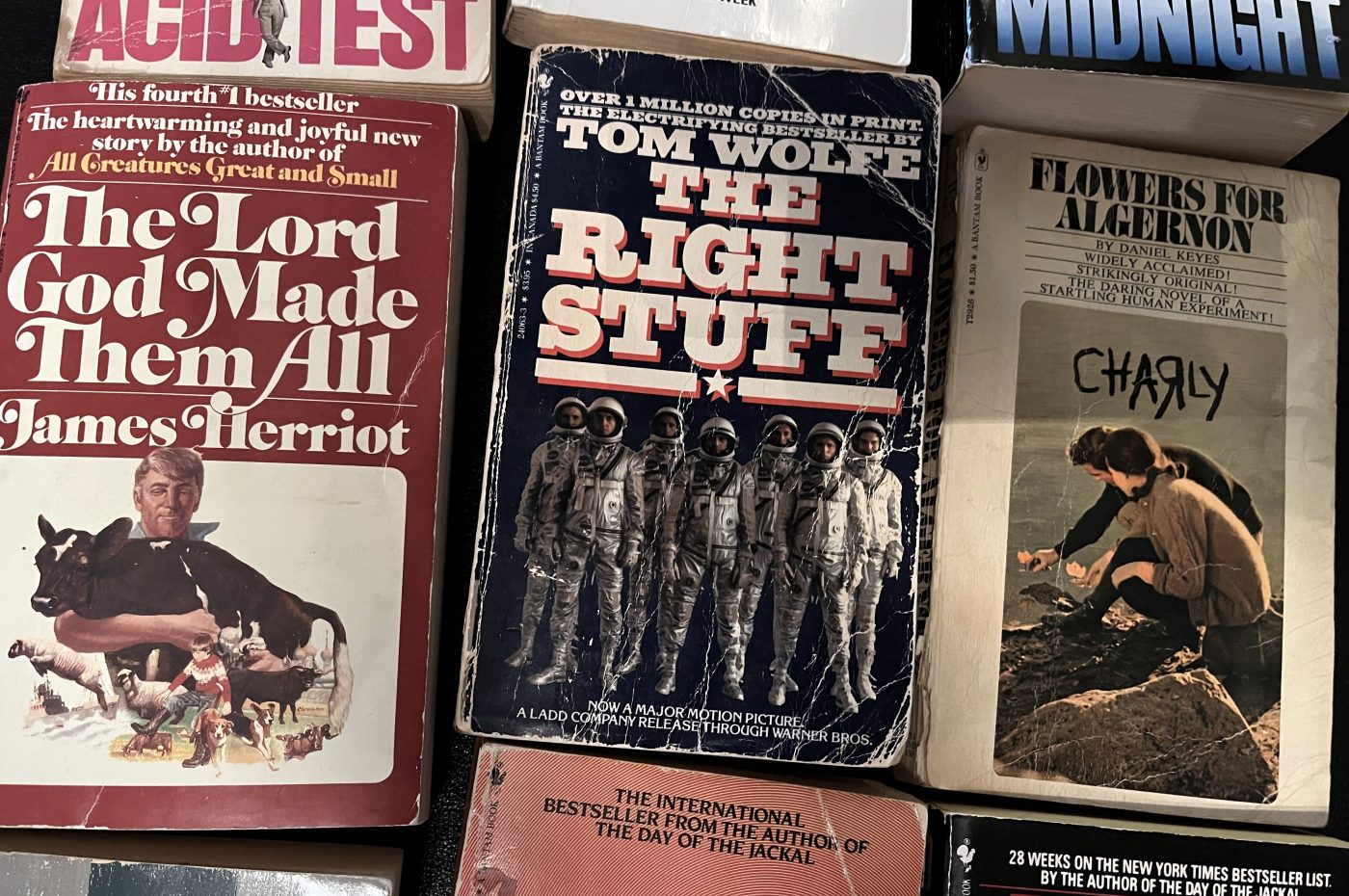
The mass market paperback book is set to become obsolete, with major distributor ReaderLink announcing plans to cease distribution of this format by the end of 2025. This marks a significant decline for mass market paperbacks, which have faced diminishing popularity over the years, as reported by Publishers Weekly.
Several factors have contributed to the decline of mass market paperbacks. The shift towards cheaper production methods for trade format books has diminished the cost advantage of mass market editions. Additionally, there has been a notable decrease in retail locations that traditionally sold these books. The once-familiar wire racks filled with hundreds of titles at grocery stores, drugstores, and newsstands are becoming a rarity. The rise of e-books, enabling convenient access to popular titles, has further accelerated this trend, marking a pivotal point in the format’s decline.
For many readers, especially those of a certain generation, the disappearance of mass market paperbacks evokes a sense of nostalgia. The format’s history spans decades, with its prominence peaking during the mid-20th century. Notably, the bookstore The Book Bin in Northbrook, Illinois, established in 1971, dedicated an entire section to mass market paperbacks when it expanded in the 1970s. Classic titles such as Peter Benchley‘s “Jaws,” which sold approximately 11 million copies within six months of the film’s release, exemplify the format’s cultural impact.
Mass market paperbacks, characterized by their portability, affordability, and genre focus, catered primarily to readers seeking bestsellers in categories like romance, mystery, and westerns. Publishers like Ballantine, Bantam, and Signet thrived on the demand for these accessible books. A hardcover edition’s transformation into a mass market paperback was often seen as a sign of success, allowing books to reach a wider audience.
However, the landscape has shifted dramatically. Many hardcover titles that do not meet specific sales benchmarks are bypassing paperback editions entirely. While the physical design of mass market paperbacks was intended for short-term consumption, their lasting presence in readers’ collections signifies a deeper connection. Many readers, including students, have cherished these books for their low cost and portability, creating lasting memories with well-worn copies.
In a personal reflection, author John Warner shares his fondness for mass market paperbacks, recounting his experiences as a student who acquired numerous titles for a history class for just $28. Despite their physical deterioration, such as pages drying out and spines weakening, the sentimental value of these books remains strong. Warner highlights a copy of “Portnoy’s Complaint” held together with a rubber band, a testament to the enduring nature of personal connections to literature.
While the mass market paperback format may be fading, there is a possibility of resurgence in the future, similar to the revival of vinyl records. The affection for these books suggests they might not be gone forever. Readers and collectors alike may find ways to celebrate and preserve this beloved format as an object of interest.
As the industry navigates these changes, the impact of the mass market paperback’s decline extends beyond mere sales figures. It reflects broader shifts in reading habits and consumption patterns, reminding us of the evolving nature of the literary landscape.