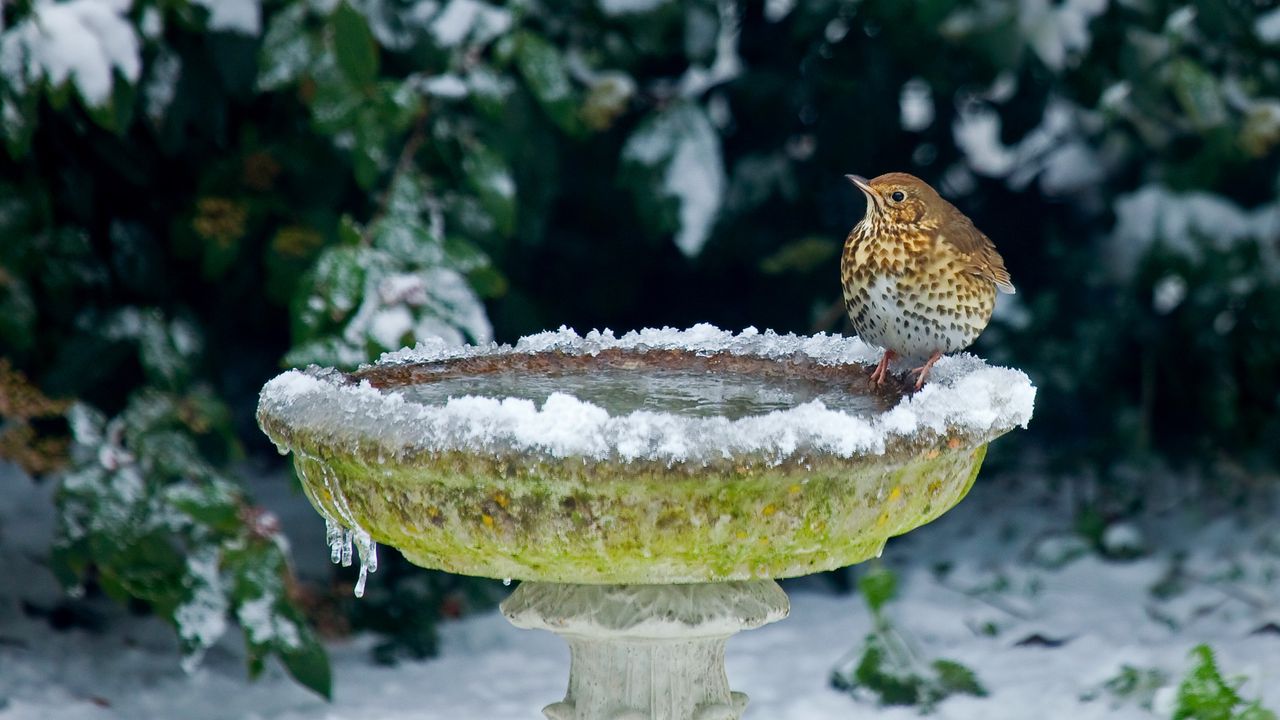
As winter approaches, many people are looking for ways to keep their outdoor spaces welcoming for local wildlife. Bird baths are a popular feature, providing birds with a vital source of hydration. However, these water features can easily freeze, becoming unusable and potentially damaging. Fortunately, a simple solution exists that requires only a small investment of $2.
Bird baths are essential for birds that do not migrate during winter months. Contrary to popular belief, many birds remain in their habitats throughout the colder season. With temperatures dropping, access to fresh, unfrozen water becomes crucial. In addition to supporting local wildlife, ensuring that bird baths do not freeze can prevent damage to the structure itself.
Easy Ice Prevention with Everyday Items
One of the easiest and most effective ways to disrupt ice formation in a bird bath is by using a lightweight, floating object. A ping pong ball is an ideal choice, as it is designed to float and can move freely across the surface of the water. The ball’s movement helps to break up small ice crystals, preventing them from solidifying into a thicker layer. This method not only keeps the water accessible but also attracts birds, as they prefer moving water.
In addition to ping pong balls, other lightweight items such as corks or rubber ducks can be effective icebreakers. The key is to select an object that will not sink and can remain buoyant regardless of the weather conditions.
Additional Tips for Winter Bird Bath Maintenance
For those living in particularly cold climates, there are several other strategies to consider:
1. **Add a Dark Layer**: Placing black river rocks or painting the basin’s bottom black can help absorb sunlight, increasing the water temperature on sunnier days.
2. **Position Wisely**: Relocating the bird bath to a sheltered spot that receives ample sunlight can significantly reduce freezing. Choosing a location with minimal wind exposure will further help maintain warmth.
3. **Insulate**: Wrapping the basin with straw or burlap can provide insulation, maintaining higher water temperatures. This rustic approach not only looks appealing but also serves a practical purpose.
4. **Maintain Water Levels**: Keeping the water level high can slow down the freezing process. Topping up the bath with warm water daily can help sustain a higher overall temperature.
5. **Choose Appropriate Materials**: Consider using a frost-resistant resin for the bird bath. While ceramic and stone options may be aesthetically pleasing, they are more susceptible to cracking in freezing temperatures.
It’s important to note what should be avoided when trying to maintain an ice-free bird bath. Pouring boiling water into the basin can cause thermal shock, potentially cracking the basin. Adding salt or chemicals to the water can contaminate it, making it unsafe for birds. Additionally, placing electric heaters near the bird bath poses safety risks, as they can cause fires when exposed to water.
By implementing these straightforward strategies, bird enthusiasts can ensure their bird baths remain functional throughout the winter months, providing essential resources for local avian populations. Keeping bird baths accessible not only benefits wildlife but also enhances the charm of outdoor spaces during the colder seasons.