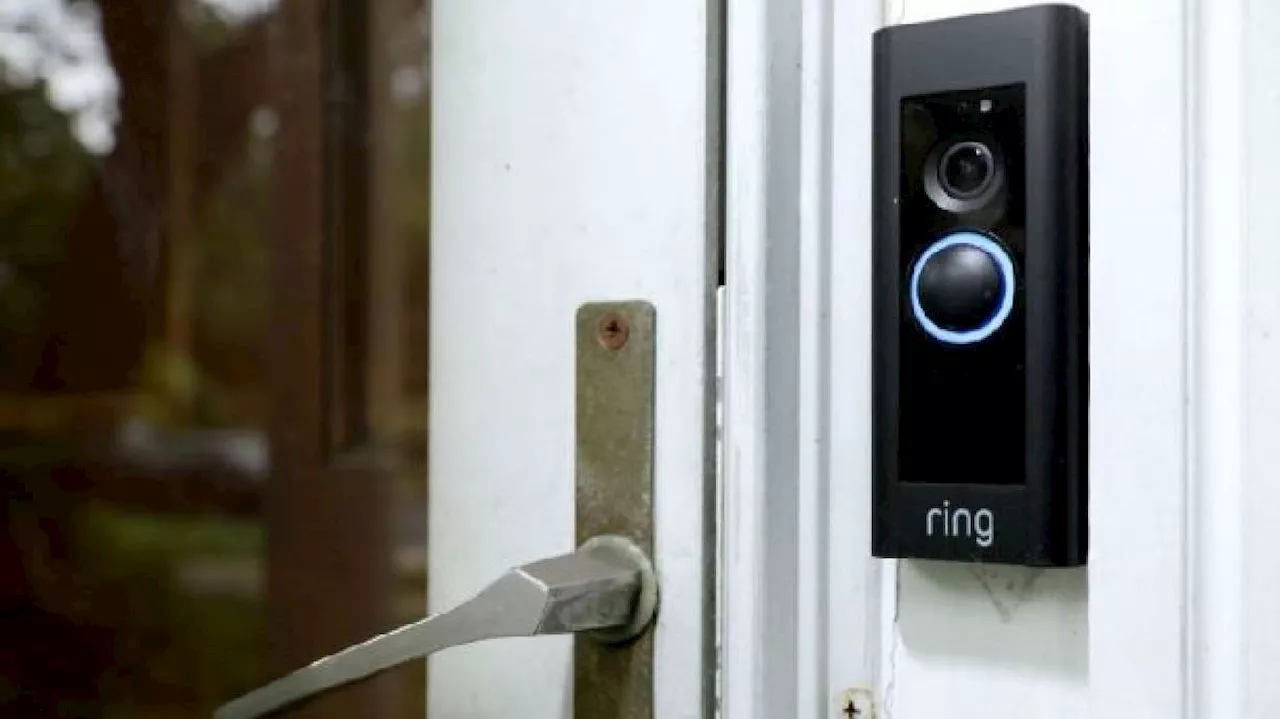
Home surveillance technology, particularly doorbell cameras, is sparking a heated debate over privacy concerns versus security benefits. In a recent discussion with KSL, criminal defense attorney and legal analyst Clayton Simms highlighted that individuals are increasingly participating in their own surveillance for convenience and security. He noted that while these technologies serve beneficial purposes, they also come with significant privacy implications.
Simms pointed to various practical uses for doorbell cameras, which include deterring theft and notifying homeowners of deliveries. However, the conversation intensified following a Super Bowl advertisement for Ring, which introduced a new “search party” feature. This function utilizes artificial intelligence and the network of Ring cameras to locate lost pets, but it raises concerns about potential misuse for identifying and tracking individuals.
“You would think that’s the next step,” Simms remarked, referencing how the same technology could be employed to track down suspects in serious criminal cases, such as kidnappings. He emphasized that a system designed to identify a lost dog could easily evolve into a broader surveillance network capable of identifying individuals based on their clothing or other identifiable features.
The issue of data access came to the forefront when reports revealed how the FBI accessed images of a suspect in the Nancy Guthrie case through the “back-end systems” of Nest cameras. This incident raised questions about the types of data that home surveillance systems are continuously recording and who ultimately has access to that data. Simms acknowledged, “All of that is information that a company, a big entity would have about you.”
In light of these developments, privacy advocates have suggested that individuals concerned about data sharing consider opting for cameras that store video locally, rather than on centralized cloud servers. Simms, however, believes it is more important for consumers to understand both the advantages and disadvantages of such technologies. He pointed out that interconnected cameras can also provide valuable evidence that may help exonerate individuals wrongfully accused of crimes.
As discussions about surveillance technology continue, the balance between safety and privacy remains a crucial topic. With increasing reliance on smart technologies, consumers must navigate the complexities of modern security solutions while being mindful of their personal privacy.