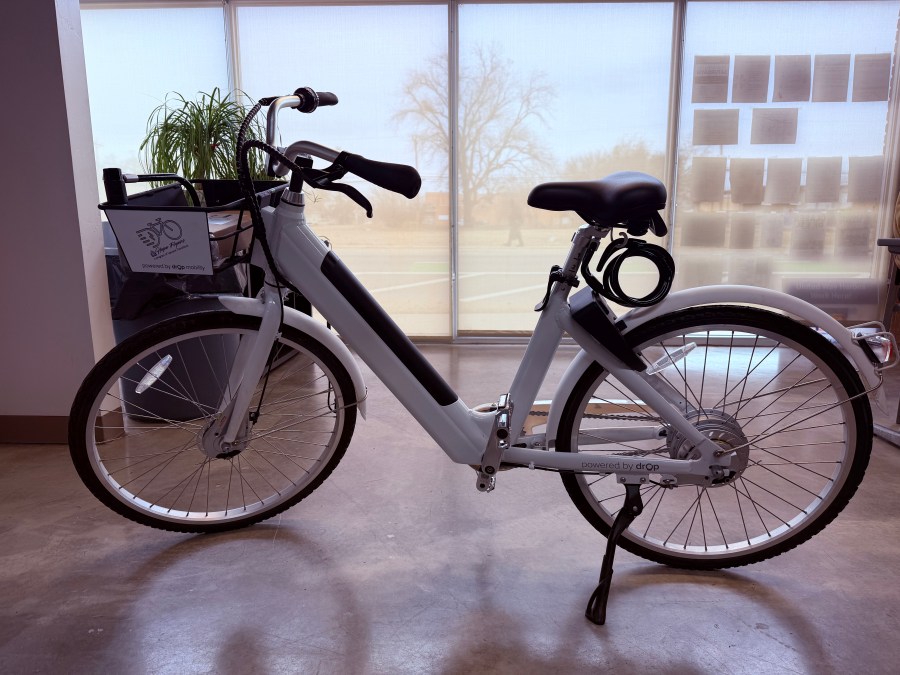
A new initiative in Oklahoma City aims to address the issue of transportation poverty, providing residents with an affordable means to commute to work. The local non-profit organization behind this program has introduced a solution that allows individuals who previously relied on costly rideshare services or lengthy bus journeys to access more reliable transportation options.
The program is designed to assist those who face financial barriers when it comes to transportation. Many residents find themselves spending a significant portion of their income on services like Uber or enduring long waits for public transport. The initiative seeks to alleviate these challenges by offering accessible and economical travel solutions.
Transforming Commuting for Local Residents
Participants in the program have already begun to share their experiences, highlighting the positive changes in their daily lives. One individual noted that he previously spent over $200 monthly on rideshare services just to reach his workplace. With the new program, he now has access to more affordable transportation options, improving both his financial situation and quality of life.
The non-profit organization has partnered with local businesses and community leaders to ensure the program’s success. By engaging various stakeholders, they aim to create a supportive network that addresses not only transportation needs but also broader economic challenges faced by residents in Oklahoma City.
A Community-Centered Approach
The impact of this transportation program extends beyond individual users. Local businesses are also beginning to see benefits, as employees can now arrive at work more efficiently. This, in turn, may lead to increased productivity and job retention in the area.
In addition to connecting residents with reliable transportation, the initiative emphasizes community building. Regular workshops and meetings are held, allowing participants to share their experiences and suggest improvements. This feedback loop is crucial for ensuring the program evolves to meet the changing needs of the community.
The program reflects a growing recognition of transportation as a critical component of economic mobility. As more residents gain access to affordable commuting options, the hope is for a ripple effect that enhances overall community health and prosperity.
With the launch of this initiative, Oklahoma City takes a significant step toward breaking down the barriers of transportation poverty, fostering a more inclusive environment for all its residents. As this program continues to develop, it will be essential to monitor its effectiveness and explore opportunities for expansion to other underserved areas.