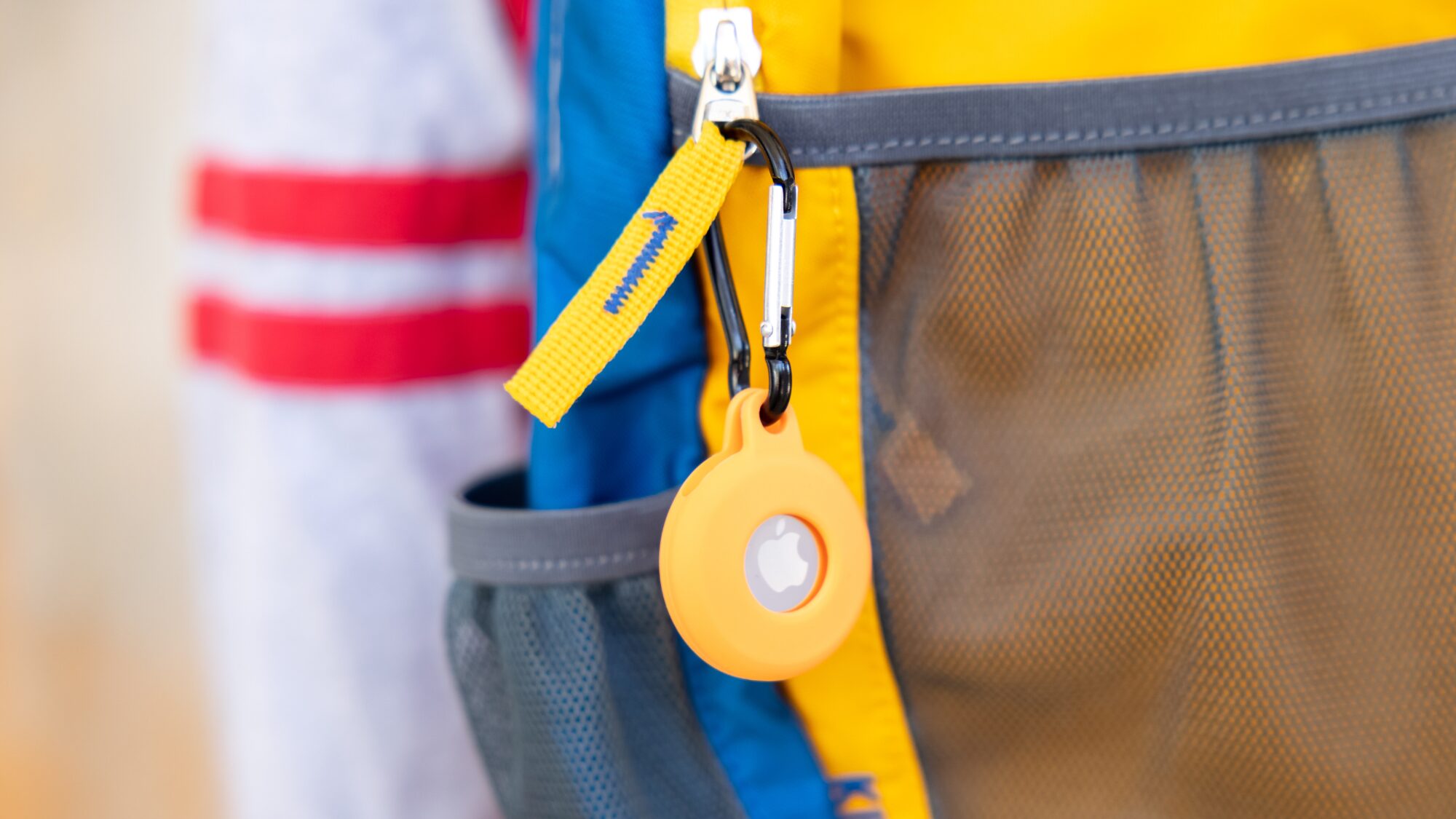
The practice of parents monitoring their children’s locations through tracking devices is gaining traction, but it raises important ethical questions. A survey conducted by Unite Students in September 2023 revealed that approximately 67% of parents with first-year university students actively tracked their children’s whereabouts using various apps. Meanwhile, only 17% of these parents maintained daily communication. The trend shows a notable difference between fathers and mothers, with 71% of fathers engaging in tracking compared to 59% of mothers.
As children transition to independence, many parents find reassurance in technology. According to Naomi Greenaway, who shared her experience in The Telegraph, placing a tracking device in her son’s blazer pocket eased her anxiety as he navigated the London train system alone. Greenaway noted that many parents in her WhatsApp group echoed her sentiments, indicating a widespread reliance on tracking devices for peace of mind. She expressed that the digital connection to her children provided significant comfort during challenging moments, such as observing her daughter at nursery through a camera.
Esther Walker, writing for The Times, highlighted the distinction between two types of children: those who tend to wander off and those who do not. She recounted a distressing moment when her daughter went missing at an adventure playground, which prompted her to tag her children’s school bags as a precaution. Despite the reassurance these devices offer, Walker acknowledged that tracking systems like AirTags can sometimes yield inaccurate information, adding to parental stress.
The implications of constant surveillance are increasingly scrutinized. Charlotte Cripps, in an article for The Independent, described her initial belief that tracking her young children would provide security. However, she soon found that it led to neurosis and compulsive checking of their locations, which only heightened her anxiety. Cripps reflected on her experience, questioning whether her need to monitor her children had become excessive.
A growing coalition of health professionals is calling for a reevaluation of this trend. Organized by Generation Focus, a campaigning group advocating for smartphone-free schools, these experts argue that excessive monitoring can create anxiety in children and undermine their ability to develop self-reliance. They issued a letter urging parents to reconsider the long-term effects of a surveillance-heavy upbringing, asserting that it might not benefit children as intended.
Zing Tsjeng, writing for The i Paper, noted the concept of “helicopter parenting,” where parents micromanage their children’s lives. While safety is a valid concern, Tsjeng posed critical questions about the future of parental oversight. She asked, “Do you trust your child to get themselves back home safe when they’re 19? What about when they’re 20?” This raises essential inquiries about autonomy and trust as children grow into adulthood.
The debate surrounding parental tracking is complex, balancing the desire for safety with the need for independence. As technology continues to evolve, parents must navigate these choices thoughtfully, considering both the immediate benefits and the long-term implications for their children’s development.