The Parma Area Historical Society is gearing up for an engaging celebration of the city’s bicentennial in 2026. This landmark event will highlight the rich history of Parma, Ohio, with a variety of activities planned throughout the year. According to the Society’s Historian and Curator, Patricia Nickols, the programming will not only educate residents but also connect them with their heritage. “I’m really excited because there’s some really great history that we get to teach people about—things that probably they don’t know,” she stated.
The bicentennial celebration will coincide with the nationwide America250 festivities. A notable highlight will be a guided tour of the Parma Heights Cemetery on June 5, 2026. Nickols elaborated on the historical significance of this site, explaining that “Parma Heights was actually Parma until 1911,” and many of the area’s early settlers established their homes along Pearl Road due to its use as a stagecoach route.
Additional events include a movie night featuring local actors, a Fourth of July picnic, a lantern tour at Stearns Homestead, and a World War II-themed event. Nickols expressed a desire to offer workshops on preserving family heirlooms and exploring personal ancestry as part of the celebration. “We’d like to also offer some instruction on caring for your own family heirlooms and learning about your own family history,” she added.
The story of Parma dates back to the arrival of its first settlers in 1816. Among them were Benajah and Ruth Fay, who journeyed from Lewis County, New York, with their ten children. The family, traveling in an ox-drawn cart, made their way to the Parma area, where Benajah worked as an architect, engineer, and innkeeper. He constructed a double log cabin that served as a resting point for travelers on a stagecoach route from Cleveland to Cincinnati, which became known as B. Fay’s Inn.
Nickols described the Fays as enterprising individuals who arrived ready to build their lives anew. “A lot of them came here with the tools ready to build a new business, build a sawmill, build a blacksmith—to build whatever they needed,” she noted. This spirit of determination has persisted through generations, with subsequent waves of immigrants contributing to the community’s growth.
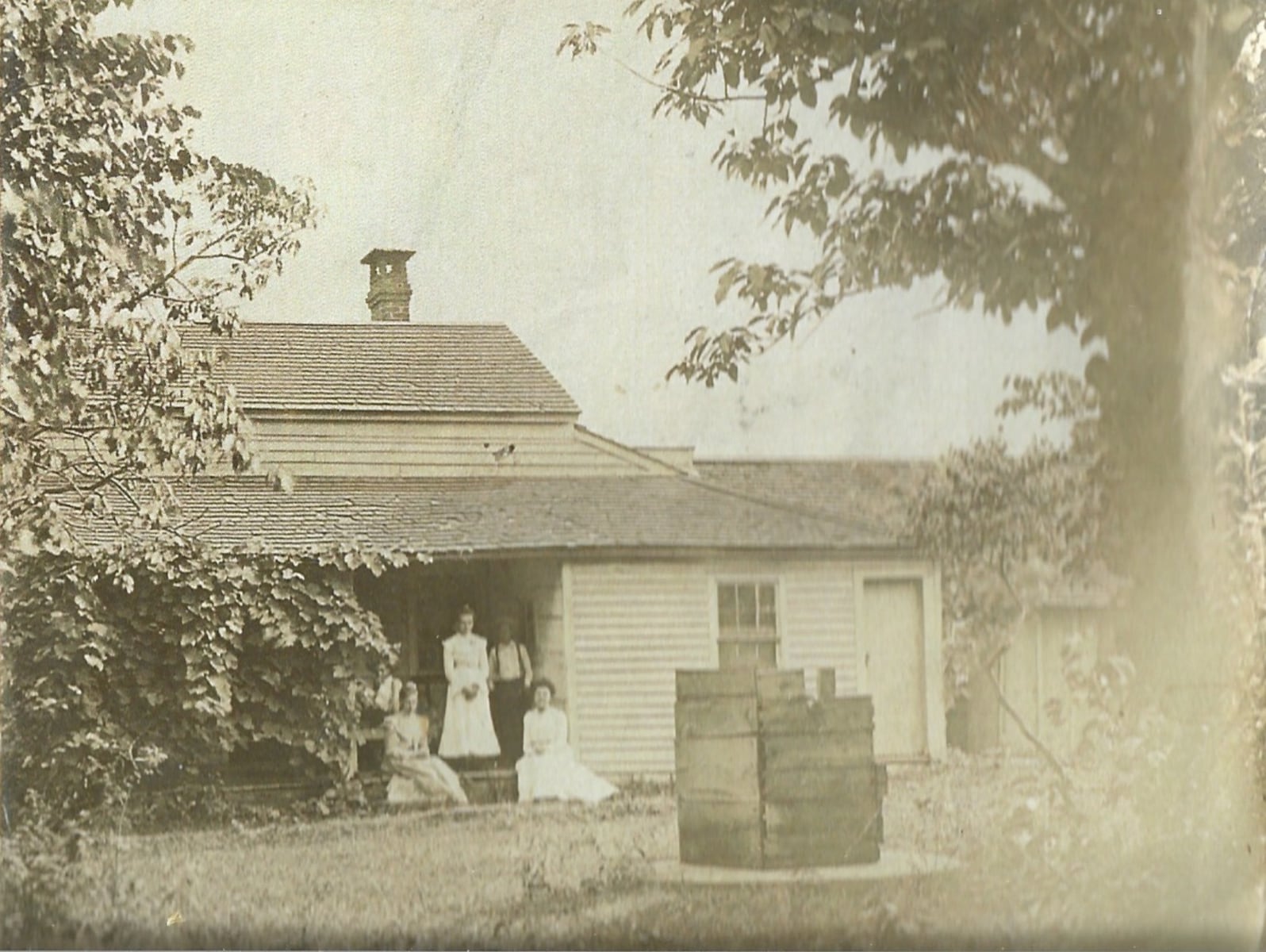
Reflecting on the evolution of Parma, Nickols pointed out that the city began to take shape after World War II, during a period of significant housing and population expansion. The Stearns Homestead, which includes a Yankee-style barn constructed in 1850 and two historic houses, stands as a testament to the city’s agricultural past. “I don’t think people realize looking at Parma now that it was completely farmland and all agriculture,” she remarked.
The Historical Society operates both houses on the homestead as museums, where visitors can learn about life in earlier eras. Nickols enjoys showcasing items from the past, such as a large 1940s radio, which often amazes younger visitors. “After telling them that’s a radio to listen to music, I watch their faces hit the floor,” she said, highlighting the contrasts between past and present.
As Parma approaches its bicentennial, Nickols invites residents to engage with their local history. “People can stop in, learn a little history, and look at how life used to be,” she encouraged. The upcoming celebrations promise to offer a meaningful connection to the past while fostering community spirit.
The Parma Area Historical Society’s efforts to commemorate this significant milestone reflect the city’s enduring legacy and the resilience of its residents over the past two centuries.